Adaption Unveils AutoScientist: A New Frontier in Autonomous AI Model Optimization
The quest for artificial intelligence capable of autonomous self-improvement has reached a significant milestone with the launch of AutoScientist. Developed by the research-driven startup Adaption, this new tool is engineered to automate the complex process of fine-tuning AI models. By streamlining how models acquire specific capabilities, the platform allows for more efficient optimization, moving the industry closer to the long-held goal of self-evolving software systems.
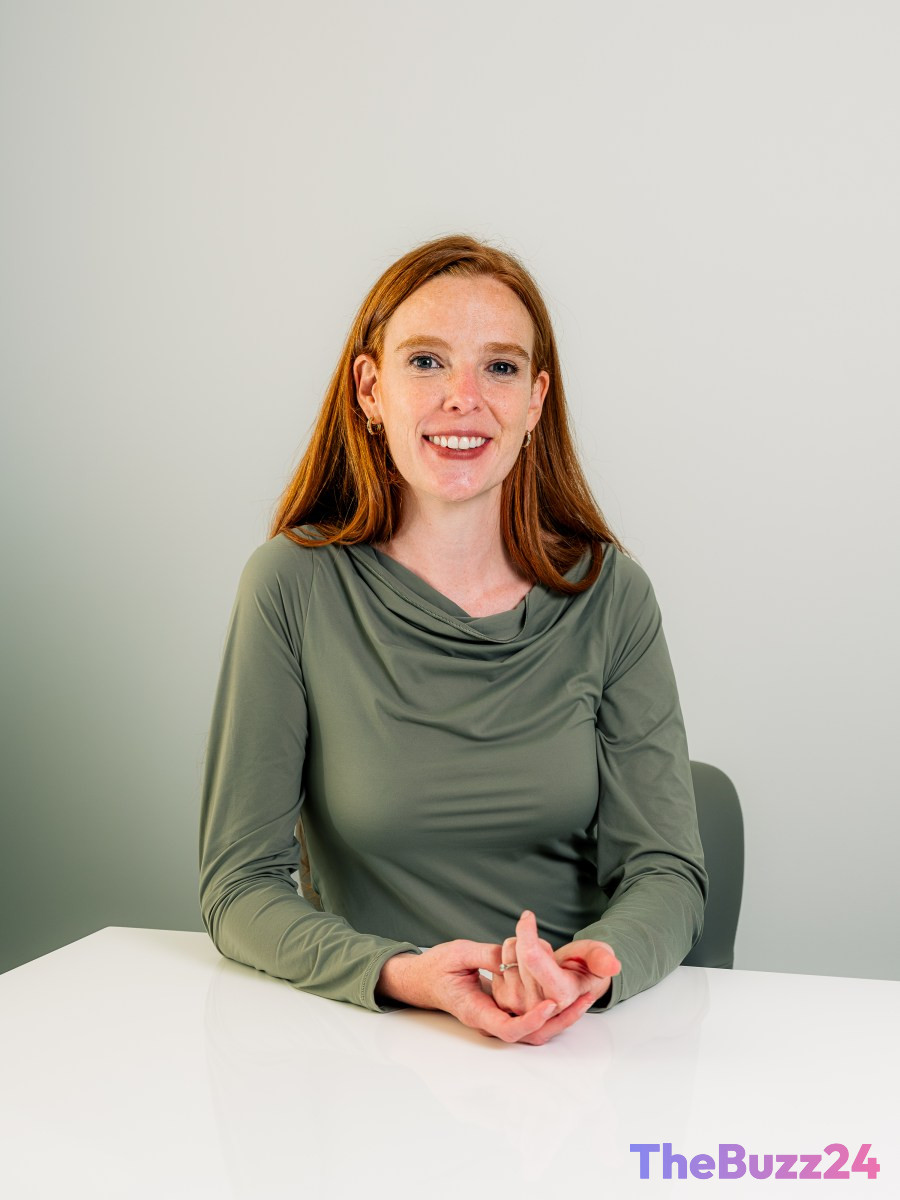
Under the leadership of CEO Sara Hooker, a former executive at Cohere, Adaption designed AutoScientist to simultaneously optimize both training data and model architecture. This dual approach automates the iterative learning cycles that typically require manual intervention by highly specialized engineers. By lowering the technical hurdles associated with frontier-level AI training, the tool seeks to decentralize development, reducing the current industry reliance on a handful of massive, resource-heavy research labs.
AutoScientist represents a natural progression from the company’s existing suite of tools, specifically building upon their previous data curation platform. While traditional industry benchmarks often struggle to measure highly specialized, task-specific AI performance, internal evaluations of the new system have been promising. Early reports indicate that the tool has more than doubled win-rates across various model types, suggesting a significant leap in functional efficiency. To facilitate broader testing and validation within the developer community, the platform is being offered with a 30-day free trial period.
The ultimate vision for Adaption is the creation of a dynamic AI development stack that can adjust in real-time to meet specific user requirements. By making sophisticated model refinement more accessible, the company aims to spark a wave of innovation across technical and scientific sectors. This shift could allow smaller organizations and independent researchers to develop high-performance AI without the prohibitive costs usually associated with large-scale computing environments.
Key Takeaways
- AutoScientist automates the fine-tuning and optimization of AI models, enabling autonomous self-improvement.
- The platform co-optimizes data and architecture to reduce the need for centralized, resource-intensive AI labs.
- Internal testing shows the tool has doubled win-rates for various models, and it is currently available via a 30-day free trial.
Editor’s Analysis & Impact
The launch of AutoScientist signals a pivotal shift in the AI industry from manual, labor-intensive model training to automated, algorithmic refinement. By focusing on the ‘co-optimization’ of data and architecture, Adaption is addressing one of the biggest bottlenecks in AI development: the scarcity of elite talent capable of fine-tuning frontier models. This move democratizes high-level AI capabilities, potentially allowing mid-sized firms and specialized scientific institutions to compete with tech giants. Furthermore, the emphasis on task-specific performance over general benchmarks suggests a future where AI is not a ‘one-size-fits-all’ solution but a bespoke tool tailored for niche technical challenges. As the AI stack becomes more dynamic, we expect to see an acceleration in specialized applications across medicine, engineering, and data science.
Frequently Asked Questions
Q: What is the primary purpose of AutoScientist?
A: AutoScientist is designed to automate the fine-tuning and optimization of AI models, allowing them to improve their capabilities autonomously without constant manual intervention.
Q: Who is the leadership behind this new AI tool?
A: The tool was developed by the startup Adaption, led by CEO Sara Hooker, who previously served as the VP of AI research at Cohere.
Q: Is there a way to test AutoScientist for free?
A: Yes, Adaption is offering a 30-day free access period to the platform to encourage adoption and allow developers to validate its performance gains.
AI Disclosure: This article is based on verified data and official reports. Our Team and AI have cross-referenced every financial detail with primary sources to ensure total accuracy.
More from this Category