Aging Infrastructure and Massive Drawdowns Strain U.S. Strategic Petroleum Reserve
The U.S. Strategic Petroleum Reserve (SPR) has plummeted to its lowest inventory level in over four decades, driven by unprecedented emergency releases designed to counteract global market shocks. Following consecutive massive drawdowns to cushion domestic and international supply disruptions, federal energy stockpiles recently dropped to roughly 308 million barrels—a level not seen since March 1983. With additional planned withdrawals expected to push total reserves down toward 243 million barrels, the national oil reserve is operating at less than half of its authorized 714-million-barrel capacity.
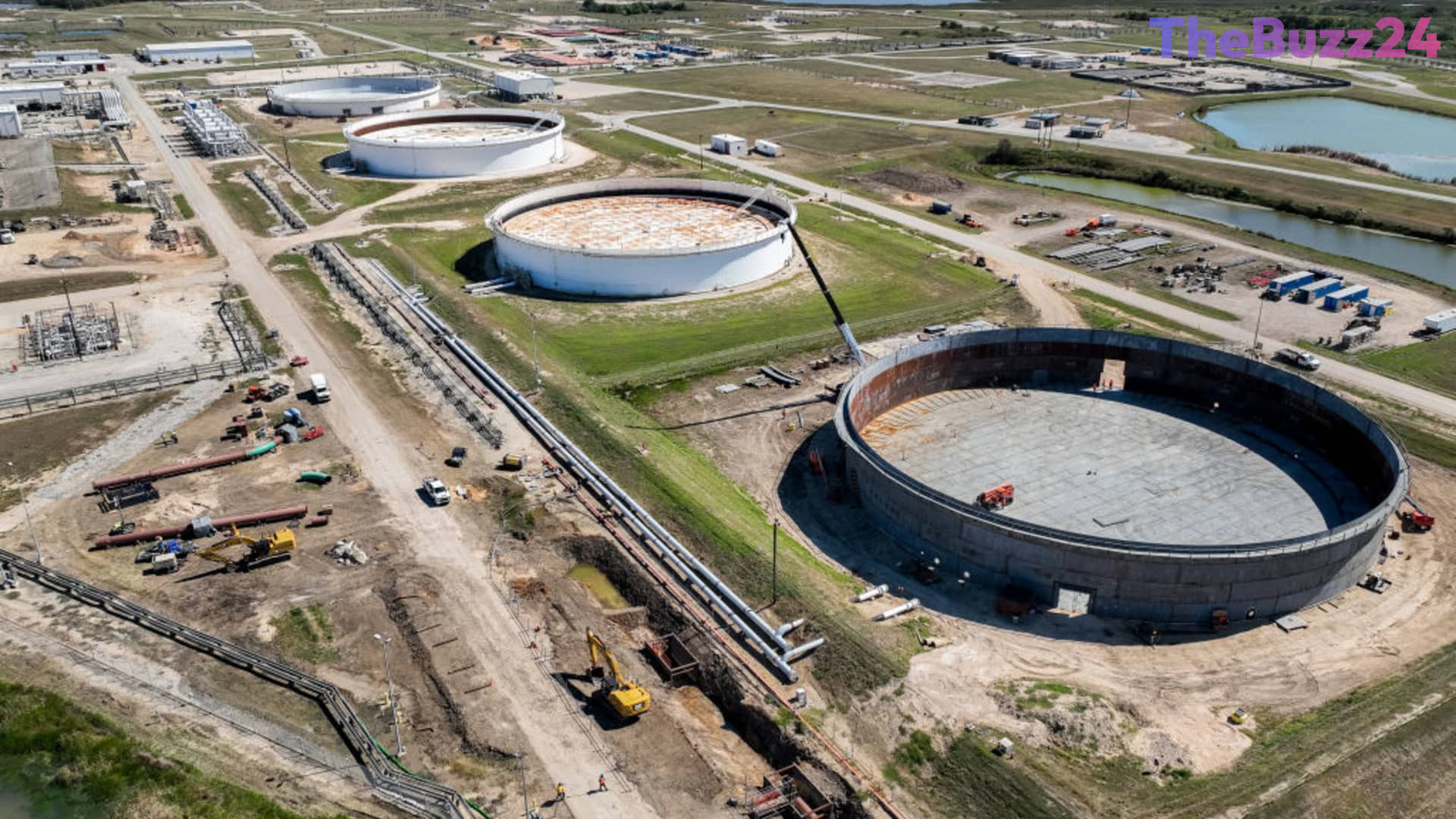
Beyond shrinking volumes, the physical facilities housing the emergency crude are suffering severe operational wear and tear. Federal government audits reveal that more than a quarter of the reserve’s remaining storage capacity is currently inaccessible due to maintenance outages and structural degradation. Stored in 60 underground salt caverns across four primary sites along the Gulf Coast, the oil relies on complex water-displacement systems to reach the surface. Decades of heavy usage and aggressive emergency drawdowns have accelerated corrosion and equipment fatigue across wells, pipelines, and pumps, prompting government officials to warn that maintenance efforts are acting as temporary fixes on rapidly deteriorating infrastructure.
Established by Congress in 1975 following the Arab oil embargo, the core infrastructure of the SPR is reaching the end of its intended operational lifespan. Although the Department of Energy is carrying out a $1.4 billion modernization program, budget constraints have forced administrators to narrow the scope of necessary updates. Despite these physical limitations, industry experts emphasize that the reserve still maintains enough flexibility to address immediate short-term emergencies, as the technical floor required to safely manage cavern integrity sits at approximately 70 million barrels.
However, repeated high-volume releases pose mounting risks for long-term national security preparedness. While recent emergency drawdowns were successfully executed without major spills or catastrophic equipment failures, workers were forced to perform urgent triage repairs on leaking pumps and pipelines under immense pressure. Federal auditors caution that repeating releases of similar speed and scale in the near future could test the limits of the aging storage system unless comprehensive infrastructure overhauls are fully funded and completed.
Key Takeaways
- U.S. Strategic Petroleum Reserve levels have dropped to a 40-year low following emergency withdrawals totaling over 350 million barrels in recent years.
- Federal audits indicate over 25% of current reserve inventory is unavailable for immediate drawdown due to structural outages and aging infrastructure.
- A $1.4 billion modernization program is underway, but budget restrictions have forced officials to reduce the scope of critical facility repairs.
Editor’s Analysis & Impact
The mechanical strain and reduced volume of the Strategic Petroleum Reserve represent a growing strategic vulnerability for Washington’s economic energy policy. Historically utilized as a critical buffer against foreign geopolitical shocks, the reduced capacity limits the government’s ability to easily temper future global oil spikes without risking infrastructure damage. Rebuilding both the reserve’s physical framework and its depleted crude volume will require years of sustained capital expenditure and disciplined market purchasing. As global energy dynamics remain unpredictable, policymakers face a delicate balancing act: preserving short-term domestic market stability while ensuring that vital emergency infrastructure remains operational for major crises.
Frequently Asked Questions
Q: What is the Strategic Petroleum Reserve?
A: Established in 1975, the U.S. Strategic Petroleum Reserve is an emergency crude oil stockpile designed to reduce the impact of severe energy supply disruptions and protect the national economy during geopolitical crises.
Q: Why are infrastructure issues currently affecting the reserve?
A: Frequent and large-scale emergency releases accelerate physical wear and corrosion on underground salt caverns, wells, and pipelines. Heavy operational demands combined with budget limitations have left more than a quarter of capacity temporarily offline.
Q: What is the absolute minimum operational limit for the SPR?
A: According to the Department of Energy, the minimum inventory level needed to safely operate and maintain structural integrity in the salt caverns is roughly 10 percent of total capacity, or about 70 million barrels.
AI Disclosure: This article is based on verified data and official reports. Our Team and AI have cross-referenced every financial detail with primary sources to ensure total accuracy.
More from this Category