Federal Judge Advances NAACP Lawsuit Against xAI Over Unpermitted Data Center Turbines
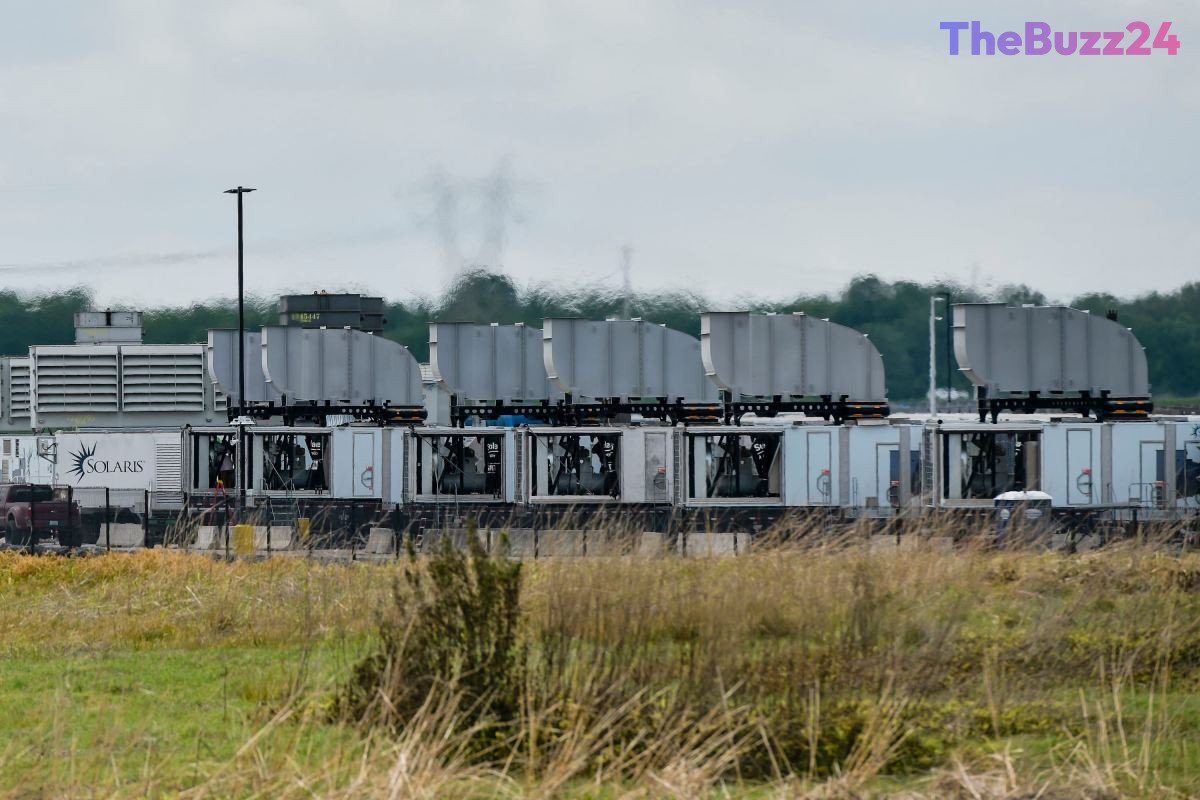
A federal judge has rejected a motion by xAI, the artificial intelligence company owned by SpaceX, to dismiss a lawsuit brought by the NAACP. The civil rights organization accuses xAI of operating its Colossus data center outside Memphis without obtaining the necessary permits for the gas turbines that power the facility, allegedly violating the Clean Air Act. The Southern Environmental Law Center, representing the NAACP, asserts that xAI installed and operated at least 35 combustion turbines and other air pollution sources at the Colossus site without securing the required preconstruction or operating air permits.
xAI had sought to have the legal challenge dismissed, contending that its turbines were exempt from permitting requirements due to their classification as “mobile sources.” The company also argued that the plaintiffs lacked the legal standing to pursue the case. However, Judge Debra M. Brown firmly rejected these arguments in her decision. She stated that the plaintiffs possess statutory standing under the Clean Air Act, that the combustion turbines do not qualify as “mobile sources” under Mississippi’s State Implementation Plan, and that the citizen suit provision does not violate constitutional principles.
This judicial decision allows the NAACP’s claims to proceed, marking a significant development in the ongoing legal battle. Abre’ Connor, the NAACP’s director of environmental and climate justice, hailed the ruling as “another important victory in our effort to hold xAI accountable.” Connor emphasized that the courts have consistently rejected attempts by xAI and even the Department of Justice to dismiss the NAACP’s Clean Air Act case, thereby affirming the right to seek justice for communities affected by pollution. The lawsuit unfolds against a backdrop of increasing public scrutiny and backlash against data centers, with some jurisdictions, like New York, implementing moratoriums on new facilities and other governments considering similar measures. This broader trend has also prompted major tech companies like Amazon and Microsoft to commit to greater transparency in their dealings with government agencies.
Key Takeaways
- A federal judge denied xAI's motion to dismiss an NAACP lawsuit concerning unpermitted gas turbines at its Colossus data center.
- The lawsuit alleges xAI violated the Clean Air Act by operating at least 35 combustion turbines without necessary preconstruction or operating air permits.
- The ruling is seen as a significant victory by the NAACP and reflects a broader trend of increased scrutiny and public backlash against data center operations.
Editor’s Analysis & Impact
This ruling sets a precedent for AI and tech companies operating large-scale infrastructure, signaling increased regulatory scrutiny on data centers, especially regarding environmental compliance. This could lead to higher compliance costs and longer development timelines for new data center projects. Expect more environmental lawsuits against data center operators. Companies like xAI may face pressure to retroactively secure permits or modify operations. The broader trend of public and governmental pushback against data centers (e.g., moratoriums) is likely to intensify, potentially impacting expansion plans for major tech players like Amazon and Microsoft. This case underscores the growing tension between rapid technological expansion (AI requiring massive data centers) and environmental protection. It highlights the power of citizen lawsuits in enforcing environmental regulations and could influence policy discussions around sustainable infrastructure development for AI.
Frequently Asked Questions
Q: What is the core accusation against xAI in the NAACP lawsuit?
A: The lawsuit alleges that xAI operated at least 35 combustion turbines at its Colossus data center near Memphis without obtaining the required preconstruction or operating air permits, thereby violating the Clean Air Act.
Q: What arguments did xAI use to try and dismiss the lawsuit?
A: xAI argued that its turbines were exempt from permitting requirements because they are 'mobile sources' and that the plaintiffs (NAACP) lacked the legal standing to sue.
Q: How does this ruling relate to the broader trend concerning data centers?
A: This ruling comes amidst growing public and governmental backlash against data centers, with some jurisdictions implementing moratoriums on new facilities. It reinforces the increasing scrutiny on the environmental impact of large-scale tech infrastructure.
AI Disclosure: This article is based on verified data and official reports. Our Team and AI have cross-referenced every financial detail with primary sources to ensure total accuracy.
More from this Category