AI Boom’s Cloud Giants Face Rising Credit Risk, Apollo Warns
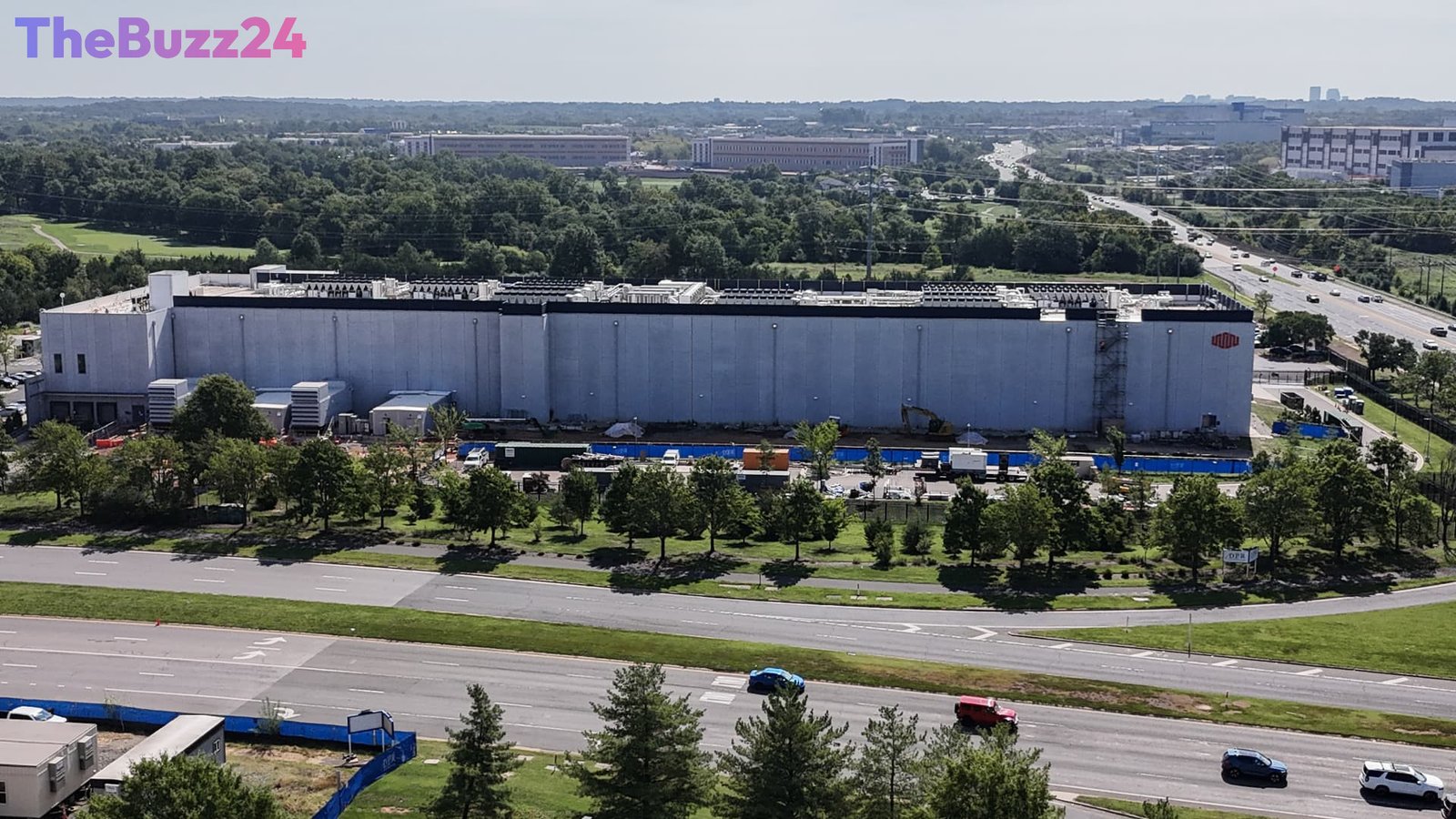
The massive debt taken on by the world’s largest cloud computing providers, often referred to as hyperscalers, is signaling increasing risk, according to a recent warning from private equity firm Apollo Global Management. The firm’s chief economist, Torsten Slok, highlighted in a note that the cost of credit default swaps (CDS) – a form of insurance against bond defaults – for hyperscaler debt has been steadily rising. This trend suggests that sophisticated market participants are pricing in greater credit risk for these technology giants.
Slok’s analysis indicates that the increased cost of CDS is not due to banks hedging more of their own bond issuance. Instead, it reflects a reassessment of the hyperscalers’ own credit fundamentals. He pointed to a debt-financed capital expenditure cycle driven by the artificial intelligence boom, characterized by escalating leverage, negative free cash flow, and uncertainty regarding the return on investment for depreciating assets. The widening gap between hyperscaler CDS and bank CDS, which has grown significantly since late 2025, underscores this perceived increase in independent credit risk for cloud providers.
This financial caution from Apollo comes on the heels of calls from leaders of advanced AI model companies to temper the pace of technological development due to safety concerns. Such a slowdown could have significant financial repercussions for the hyperscalers that host and power these large language models. While some on Wall Street speculate that these AI leaders might be seeking regulatory protection similar to that afforded to social media platforms under Section 230 of the Communications Act, others believe the market is overreacting.
Technology investors argue that the increasing profit margins of hyperscalers justify their current debt levels and that it is premature to be overly concerned. They point to projections of margin improvements in the coming years and suggest that the full impact of current capacity expansions won’t be evident until 2027 or 2028. Despite these optimistic views, the data on major hyperscalers like Alphabet, Amazon, and Meta Platforms shows substantial debt-to-equity ratios and negative forward free cash flow, contrasting with Microsoft’s more positive financial standing. The market’s attention remains fixed on these credit conditions amidst the ongoing AI expansion.
Key Takeaways
- Private equity firm Apollo Global warns that credit default swaps for hyperscaler debt are becoming more expensive, indicating rising credit risk.
- The increased risk is attributed to debt-financed AI capital expenditures, rising leverage, negative free cash flow, and uncertain asset returns.
- While some investors remain optimistic about future profit margins, major hyperscalers like Alphabet, Amazon, and Meta show significant debt and negative free cash flow.
Editor’s Analysis & Impact
Apollo’s warning about hyperscaler debt risk highlights a potential inflection point for the companies fueling the AI revolution. The reliance on debt to fund massive infrastructure build-outs, coupled with negative free cash flow, presents a vulnerability if the anticipated returns from AI investments do not materialize as quickly as expected. This could lead to tighter credit conditions, increased borrowing costs, and potentially impact the pace of AI development. While tech investors point to future margin growth, the market’s pricing of risk through CDS suggests a growing unease about the sustainability of this growth model. The situation warrants close monitoring as it could influence investment strategies and the broader tech sector’s financial health.
Frequently Asked Questions
Q: What are hyperscalers?
A: Hyperscalers are companies that operate massive data centers and provide cloud computing services on a global scale. They are characterized by their ability to rapidly scale their infrastructure to meet demand. Major examples include Amazon Web Services (AWS), Microsoft Azure, and Google Cloud Platform.
Q: What are credit default swaps (CDS)?
A: A credit default swap (CDS) is a financial derivative that allows an investor to 'swap' or offset their credit risk with that of the borrower. Essentially, it's an insurance policy against a bond defaulting. The price of a CDS reflects the perceived risk of default; a higher price indicates a higher perceived risk.
Q: Why is negative free cash flow a concern for hyperscalers?
A: Negative free cash flow means a company is spending more cash on its operations and capital expenditures than it is generating from its core business. For hyperscalers investing heavily in AI infrastructure, this means they are relying on debt or equity financing to cover their expenses. If this trend continues without a clear path to positive cash flow, it can increase financial strain and default risk.
AI Disclosure: This article is based on verified data and official reports. Our Team and AI have cross-referenced every financial detail with primary sources to ensure total accuracy.
More from this Category