AI Data Center Cost Bill Stalls in Senate Amid Accountability Concerns
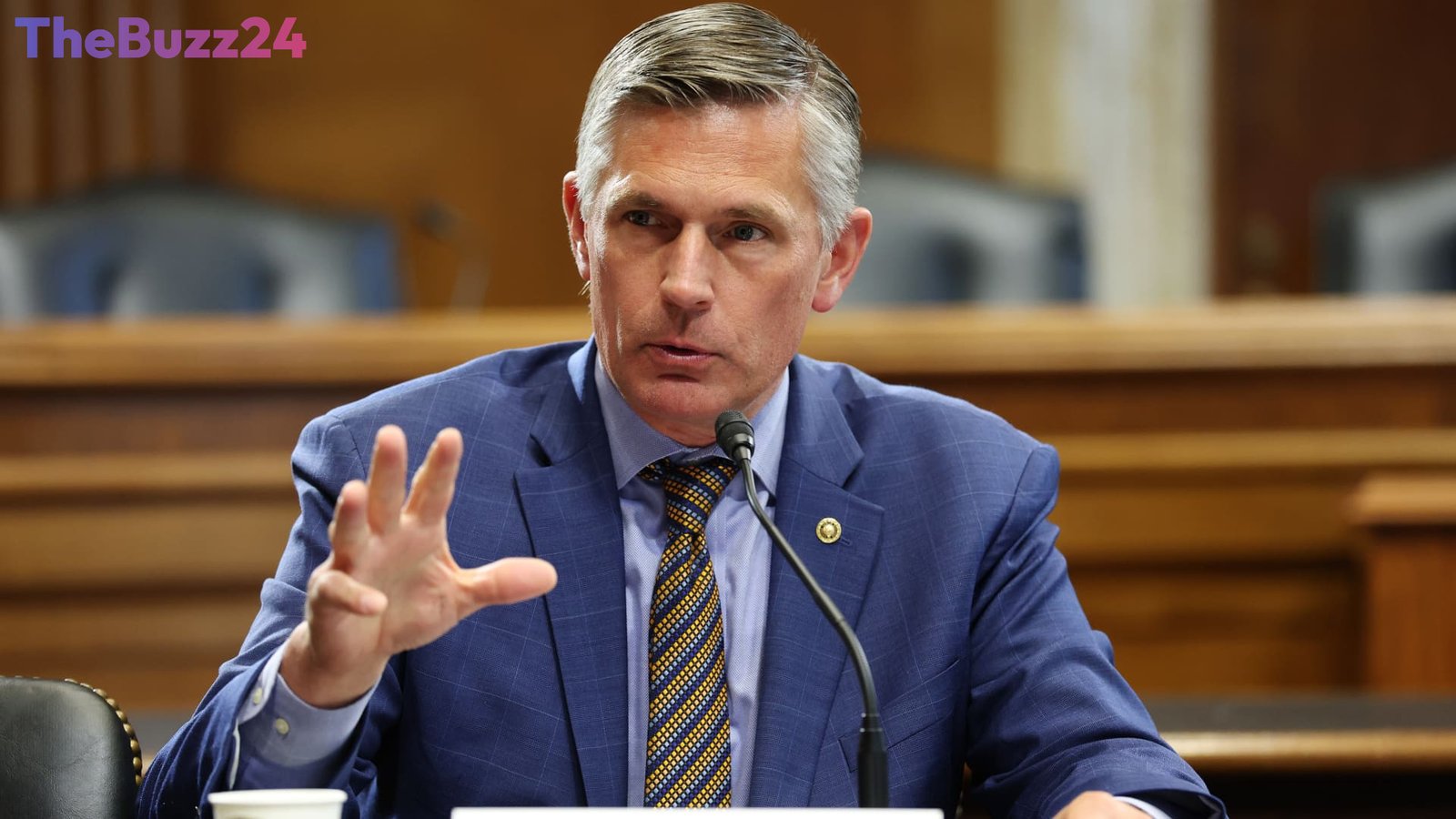
A bipartisan legislative effort aimed at preventing escalating utility costs driven by the burgeoning demand for data centers has encountered a significant roadblock in the Senate. The bill, known as the Ratepayer Protection Act, faced opposition from Senator Martin Heinrich (D-N.M.), who argued that the proposed measures do not sufficiently hold companies accountable for the infrastructure costs associated with these energy-intensive facilities.
The legislation, which had previously passed the House of Representatives with overwhelming support, sought to establish a framework for states to encourage or require artificial intelligence data centers exceeding 100 megawatts of demand to bear the expenses of new power sources and grid upgrades. Proponents, like Senator Jon Husted (R-Ohio), emphasized the rapid growth of data centers, projecting the need for thousands of new facilities in the coming years, and stressed the importance of protecting consumers from footing the bill for necessary infrastructure expansion.
However, Senator Heinrich voiced concerns that the bill relied too heavily on voluntary commitments from states and developers, rather than mandating direct corporate responsibility. He advocated for stronger legislation with “real teeth” that would ensure data centers directly compensate for their impact on the electrical grid. This stance reflects broader anxieties among progressive Democrats and environmental organizations who believe the current proposal is insufficient to address the substantial energy demands and potential cost shifts to ratepayers caused by the AI boom.
The stalled vote in the Senate, particularly in the final days before the upcoming midterm elections, makes it unlikely that the Ratepayer Protection Act will advance further in this legislative session. Despite this setback, Senator Husted indicated his commitment to continuing efforts to pass the bill, highlighting the contentious nature of data center development and its potential impact on election cycles.
Key Takeaways
- A bipartisan bill to control utility cost increases from data centers has stalled in the Senate due to concerns over corporate accountability.
- Senator Martin Heinrich blocked the bill, arguing it relies on voluntary commitments and lacks sufficient enforcement mechanisms.
- The legislation, passed by the House, aimed to make large data centers pay for grid infrastructure upgrades rather than passing costs to consumers.
Editor’s Analysis & Impact
The Senate’s hesitation to pass the Ratepayer Protection Act underscores a growing tension between the rapid expansion of AI infrastructure and the need for sustainable, equitable energy solutions. While the bill’s intent to shield consumers from rising utility costs is widely supported, the debate highlights a fundamental disagreement on how to achieve this: through voluntary state action or federal mandates. This legislative impasse could embolden local opposition to new data center projects and potentially slow down AI development if infrastructure costs become prohibitive. The industry must proactively address these concerns, perhaps by offering more robust self-regulation or investing in grid modernization, to avoid further regulatory hurdles and maintain public trust.
Frequently Asked Questions
Q: What is the Ratepayer Protection Act?
A: The Ratepayer Protection Act is a proposed piece of legislation designed to prevent utility cost increases for consumers that are driven by the energy demands of large data centers, particularly those supporting artificial intelligence.
Q: Why did the bill stall in the Senate?
A: The bill stalled because Senator Martin Heinrich argued it did not go far enough in holding data center companies accountable for the costs of grid infrastructure upgrades, preferring stronger, mandatory legislation.
Q: What are the main concerns about data centers and utility costs?
A: Data centers consume vast amounts of electricity, requiring significant investment in power generation and grid infrastructure. Critics worry that without proper regulation, these costs are passed on to ordinary consumers, leading to higher utility bills.
AI Disclosure: This article is based on verified data and official reports. Our Team and AI have cross-referenced every financial detail with primary sources to ensure total accuracy.
More from this Category