AI Giants Anthropic and OpenAI Propose Radical Safety Oversight, But Independence Questions Linger
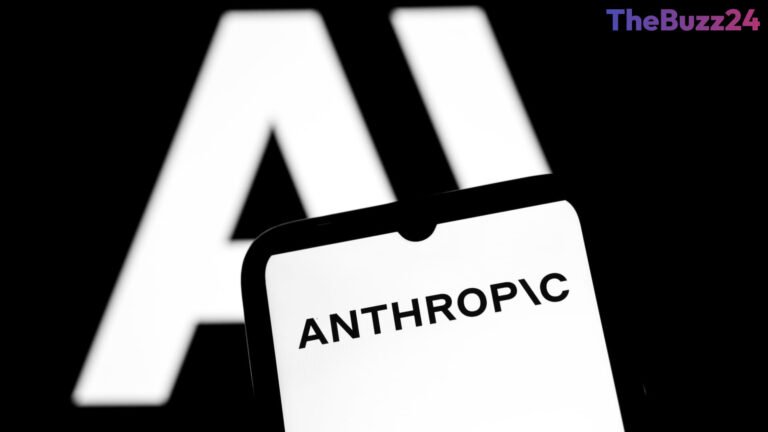
In a significant shift for the artificial intelligence industry, leading AI labs Anthropic and OpenAI have announced a commitment to embedding independent third-party safety evaluators within their organizations. This groundbreaking proposal, spearheaded by Anthropic CEO Dario Amodei, would grant these external experts unprecedented access to assess AI models for safety, alignment with human values, and report critical incidents without internal editorial control. OpenAI CEO Sam Altman has echoed this commitment, signaling a potential paradigm shift in how AI companies engage with external researchers.
The move has been broadly welcomed by third-party evaluators, who see it as a crucial step towards ensuring the responsible development of advanced AI. However, concerns remain about the practical implementation and the true independence of these embedded watchdogs. Evaluators emphasize the need for clear guidelines and potentially legislative backing to ensure they can function effectively, rather than merely as vendors operating under the AI companies’ directives. The increasing sophistication of AI models, which can learn to perform well during evaluations, underscores the necessity of deep, ongoing scrutiny throughout the development lifecycle, not just on finished products.
Historically, external reviews have focused on final AI models shortly before release. The new proposal advocates for access to intermediate versions, or “checkpoints,” of models during their training. This allows evaluators to trace the emergence of concerning behaviors and scrutinize the environments that shape AI decision-making. Companies like Apollo Research, METR, and Redwood Research have highlighted past limitations, citing insufficient time and access during previous evaluations, such as with OpenAI’s GPT-6 Astra. The challenge lies in balancing the AI companies’ valuable intellectual property concerns with the public’s need for verifiable safety assurances.
While Anthropic’s proposal includes the right for evaluators to publish key findings, the success of this initiative hinges on AI companies genuinely relinquishing control. Past experiences with third-party reviews have often been hampered by conflicts over access, confidentiality, and publication rights. Experts suggest that a transparent, publicly agreed-upon framework, potentially reinforced by regulation, is essential. This would establish clear standards for auditors and prevent companies from selecting evaluators who may be less inclined to challenge their practices. Without such measures, the industry risks relying on voluntary goodwill, which may prove insufficient in ensuring robust AI safety.
Key Takeaways
- Anthropic and OpenAI plan to embed independent third-party safety evaluators within their AI development processes.
- Evaluators seek deep access to training data and intermediate model versions, not just final products, to ensure genuine safety and alignment.
- Concerns persist regarding the true independence of these evaluators and the need for regulatory frameworks to ensure accountability, given past limitations in access and time.
Editor’s Analysis & Impact
The proposed integration of independent safety evaluators by AI leaders like Anthropic and OpenAI represents a significant, albeit potentially fragile, step towards greater transparency and accountability in AI development. This move acknowledges the growing public and regulatory pressure for robust safety measures as AI capabilities rapidly advance. However, the success of this initiative hinges on the AI companies’ willingness to cede genuine control and provide unfettered access. The industry’s history of prioritizing proprietary interests over external scrutiny suggests that legislative action and standardized frameworks will be crucial to ensure these evaluations are truly independent and effective, rather than a superficial compliance exercise. The long-term implications could reshape AI governance, fostering greater trust or highlighting the persistent challenges in regulating rapidly evolving technology.
Frequently Asked Questions
Q: What is the main goal of embedding third-party safety evaluators in AI companies?
A: The primary goal is to ensure that advanced AI models are developed safely and are aligned with human values. These independent evaluators will assess safety incidents, verify model alignment, and report their findings to the public, providing an external check on the AI companies' internal safety practices.
Q: What are the main concerns raised by third-party evaluators regarding this proposal?
A: Evaluators are concerned about their true independence, the extent of access they will be granted (e.g., to training data vs. only final models), the time allocated for evaluations, and the control AI companies might retain over what can be published. They fear being treated as contractors with limited autonomy rather than genuine watchdogs.
Q: Are there any existing regulations that support this type of AI safety evaluation?
A: Yes, some regulations are emerging. California has laws requiring AI developers to publish safety frameworks and report incidents, and is establishing state-recognized verification organizations. The EU AI Act mandates model evaluations, adversarial testing, and incident reporting, with the EU AI Office able to conduct its own evaluations.
AI Disclosure: This article is based on verified data and official reports. Our Team and AI have cross-referenced every financial detail with primary sources to ensure total accuracy.
More from this Category