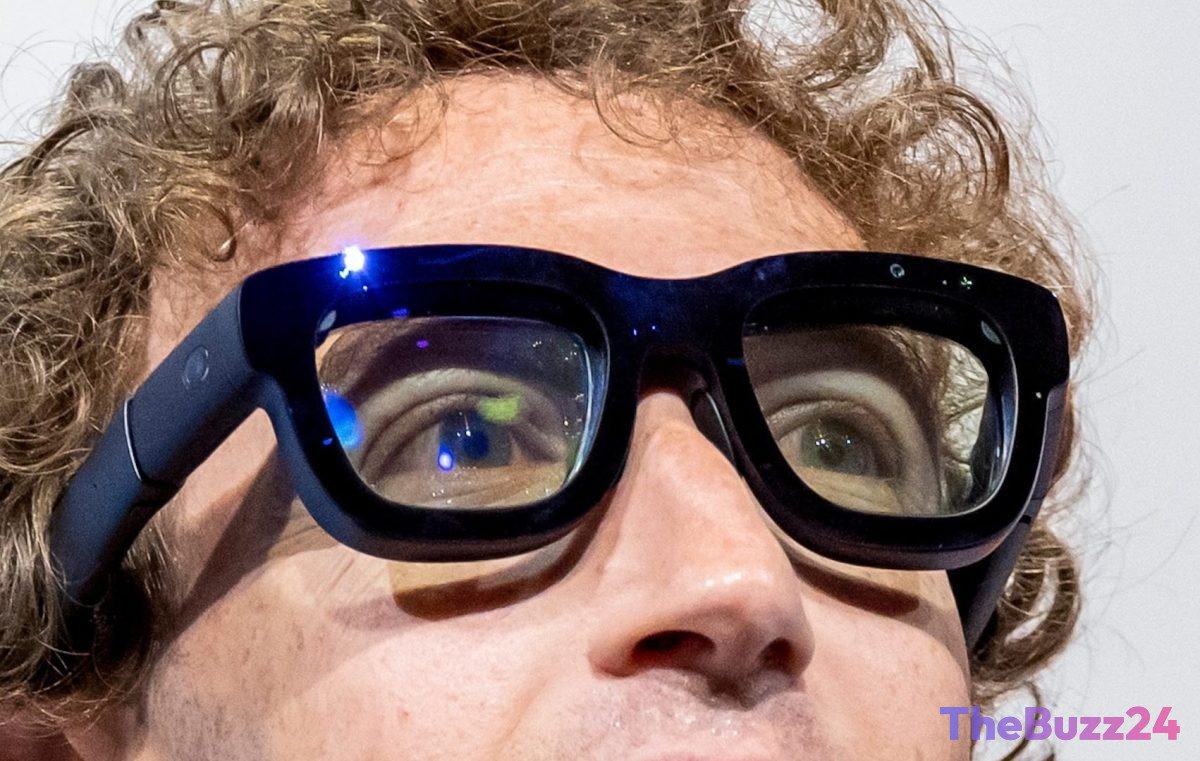
Meta Ditches Cameras on New Smart Glasses Amid Privacy Backlash
Meta is reportedly developing a new iteration of its smart glasses that will omit cameras, a move that comes as the company faces criticism over privacy concerns with its current models. The upcoming device, internally codenamed Luna, is designed to focus on AI integration rather than visual recording.
Sources indicate that the Luna smart glasses will feature an array of six built-in microphones, enabling seamless interaction with Meta’s AI chatbot and its AI consumer agent, Muse. A dedicated button on the glasses will serve to activate these AI functionalities, offering users a direct communication channel with the artificial intelligence. This strategic shift away from cameras suggests Meta is attempting to address consumer anxieties surrounding surveillance and data privacy, which have been significant hurdles for the adoption of smart eyewear.
The unveiling of Luna could coincide with Meta Connect, the company’s annual hardware and developer conference, potentially signaling a significant pivot in its augmented reality strategy. The smart glasses market, while growing, has been hampered by persistent questions regarding user experience, affordability, and, most critically, privacy. Meta’s Reality Labs division, tasked with pioneering these technologies, has also faced substantial financial losses, underscoring the challenges in making these advanced devices commercially viable and publicly accepted.
This development highlights the delicate balance tech companies must strike between innovation and user trust. By removing cameras, Meta may be attempting to mitigate the ‘dystopian surveillance’ fears that have plagued its current smart glasses, aiming to foster broader consumer acceptance for its AI-driven wearable technology.
Key Takeaways
- Meta is developing new smart glasses, codenamed Luna, that will not include cameras.
- The Luna glasses will prioritize AI interaction, featuring multiple microphones and a dedicated AI activation button.
- This move appears to be a response to consumer privacy concerns and criticism regarding surveillance capabilities of current smart glasses.
Editor’s Analysis & Impact
Meta’s decision to launch camera-less smart glasses signals a significant strategic adjustment in the burgeoning wearable tech market. By prioritizing AI interaction over visual recording, the company aims to alleviate widespread privacy concerns that have hindered adoption of its current smart glasses. This pivot could redefine the utility of smart eyewear, shifting focus from passive data capture to active, AI-powered assistance. While this may broaden consumer appeal and potentially reduce regulatory scrutiny, it also presents a challenge for Meta to demonstrate the unique value proposition of AI-centric glasses. The success of Luna will be a key indicator of the market’s readiness for AI-first wearables and Meta’s ability to navigate the complex ethical landscape of consumer technology.
Frequently Asked Questions
Q: Why is Meta removing cameras from its new smart glasses?
A: Meta is reportedly removing cameras from its new smart glasses, codenamed Luna, in response to significant consumer backlash and privacy concerns regarding surveillance capabilities of its current camera-equipped models. The company aims to address these anxieties and potentially increase market acceptance.
Q: What features will the new Meta smart glasses have if they don't have cameras?
A: The new Meta smart glasses, Luna, are expected to focus on AI integration. They will reportedly feature six built-in microphones for enhanced voice interaction with Meta's AI chatbot and AI agent, Muse, along with a dedicated button to activate these AI features.
Q: When might Meta announce these new smart glasses?
A: The new camera-less smart glasses from Meta, codenamed Luna, could potentially be unveiled at Meta Connect, the company's annual hardware and developer event, which is scheduled to take place soon.
AI Disclosure: This article is based on verified data and official reports. Our Team and AI have cross-referenced every financial detail with primary sources to ensure total accuracy.
More from this Category