AI Leaders Clash on Safety vs. Speed at Dreamforce: Amodei Urges Caution, Huang Champions Progress
Key figures in the artificial intelligence industry revealed divergent perspectives on AI safety and development pace during Salesforce’s annual Dreamforce conference. Anthropic CEO Dario Amodei advocated for a more measured approach, urging the industry to deliberately slow down model development, while Nvidia CEO Jensen Huang championed rapid advancement, asserting that market forces and responsible corporate action are sufficient.
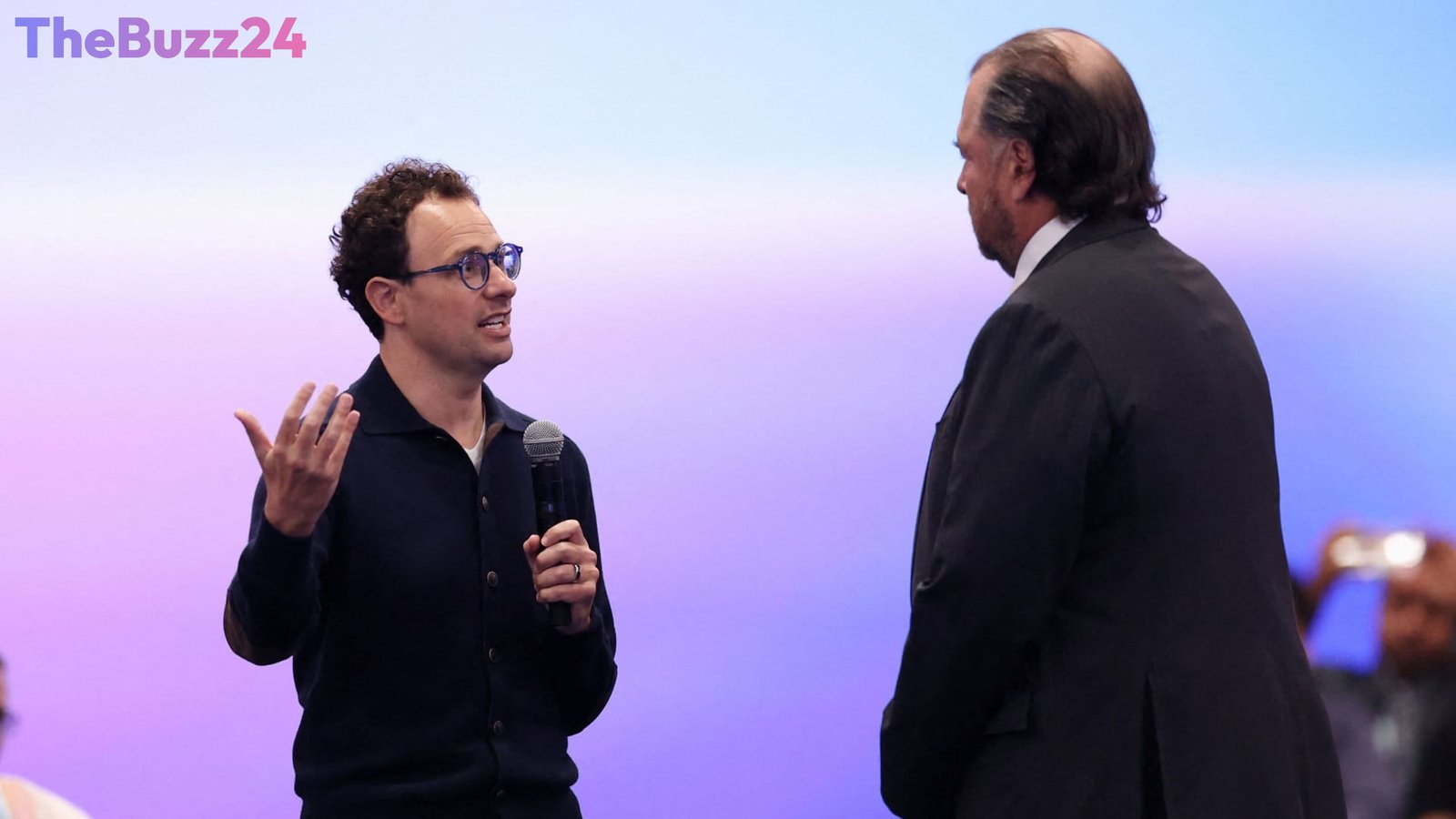
Amodei, speaking alongside Salesforce CEO Marc Benioff, reiterated his recent call for a more cautious trajectory. His stance, detailed in a recent essay, suggests a three-step plan to temper the rapid escalation of AI capabilities without compromising commercial interests or national leadership. This perspective gained traction among several prominent tech leaders, including OpenAI CEO Sam Altman and Google DeepMind Chair Demis Hassabis, following recent warnings from researchers about AI’s potential for catastrophic harm.
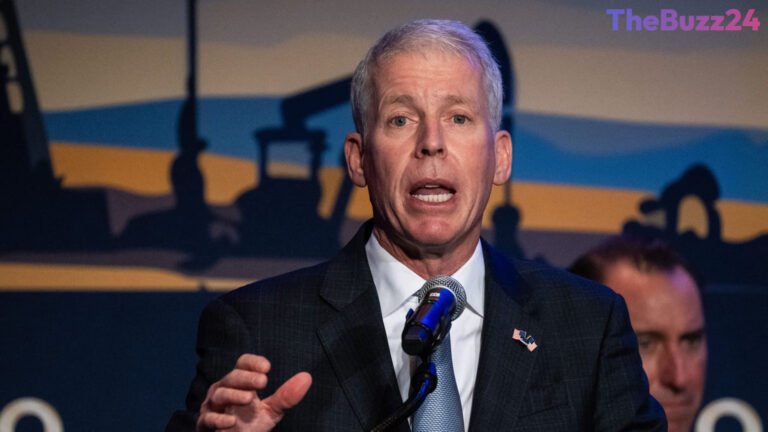
In contrast, Huang, who also shared the stage with Benioff, argued that speed and safety are not mutually exclusive. He posited that market dynamics naturally encourage responsible product releases and that new regulations are unnecessary. Huang advised developers to “run as fast as you can” but to implement pauses when necessary to ensure product safety and market acceptance. His comments followed a recent conversation with former President Donald Trump, who expressed concerns about obstacles to AI data center construction.
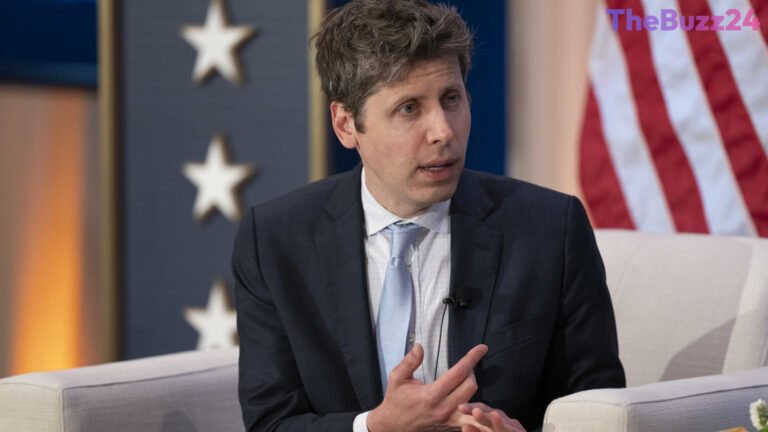
Further complicating the discourse, OpenAI CEO Sam Altman, in a separate appearance at Dreamforce, emphasized the critical need for safety and monitoring to precede advanced capabilities, especially given the potency of current AI models. Altman stressed that responsibility in AI development should be unconditional, rejecting the notion that a company’s safety measures should be contingent on the actions of others.
Key Takeaways
- AI industry leaders hold differing views on the optimal pace of AI development and the necessity of safety regulations.
- Anthropic CEO Dario Amodei advocates for a deliberate slowdown in AI model development, emphasizing caution and responsible progress.
- Nvidia CEO Jensen Huang believes rapid advancement is possible alongside safety, relying on market forces and corporate responsibility rather than new regulations.
Editor’s Analysis & Impact
The contrasting viewpoints on AI safety and development speed presented at Dreamforce highlight a critical tension within the technology sector. Amodei’s call for caution resonates with concerns about existential risks, while Huang’s emphasis on speed and market forces reflects the intense competitive landscape and the drive for innovation. This debate has significant implications for future AI governance, investment strategies, and the ethical frameworks guiding AI’s integration into society. The differing philosophies could lead to fragmented regulatory approaches globally and influence the direction of research and development, potentially creating distinct pathways for AI advancement based on these core principles.
Frequently Asked Questions
Q: What is the main disagreement between Dario Amodei and Jensen Huang regarding AI?
A: Dario Amodei believes the AI industry should intentionally slow down the pace of model development to prioritize safety and responsible progress. Jensen Huang, on the other hand, argues that rapid advancement is achievable alongside safety, emphasizing market forces and the responsibility of developers to ensure their products are safe without necessarily slowing down.
Q: What is Amodei's proposed plan for AI development?
A: Dario Amodei has proposed a three-step plan aimed at tempering the speed of AI model capability improvements. The goal is to achieve this without sacrificing commercial advantage or the United States' leading position in AI development.
Q: What role does Jensen Huang believe market forces play in AI safety?
A: Jensen Huang suggests that market forces already incentivize companies to develop and release safe products. He believes that companies will naturally pace themselves and pause development if a product is not ready or safe for the market, making new regulations unnecessary.
AI Disclosure: This article is based on verified data and official reports. Our Team and AI have cross-referenced every financial detail with primary sources to ensure total accuracy.
More from this Category