The High Price of Conflict: U.S. Military Spending and Economic Strain in Iran War
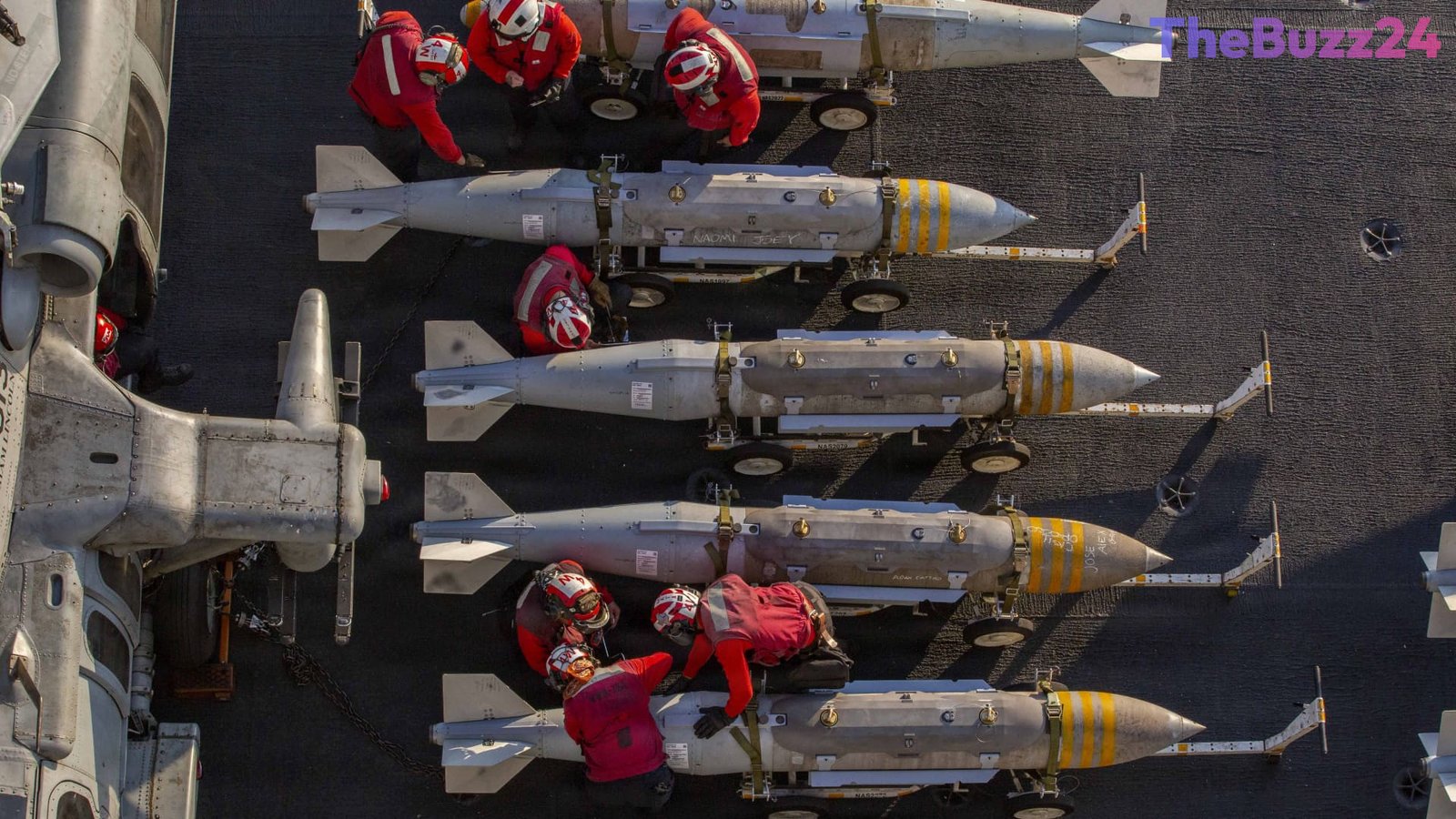
The ongoing military engagement with Iran has placed a significant burden on the U.S. economy and defense infrastructure, with costs reaching approximately $38.1 billion as of August 1. According to recent federal projections, the conflict is currently incurring an average daily expense of $246 million. Beyond the initial outlay, the Pentagon faces an additional monthly expenditure of $2 billion to $3 billion to sustain operations, driven largely by the need to replace expended munitions and cover increased fuel and flight-hour requirements.
A critical concern highlighted by defense analysts is the depletion of the nation’s missile-defense interceptors. Since June 2025, the U.S. has utilized nearly two-thirds of its existing inventory, primarily to defend regional allies against Iranian strikes. Rebuilding these stockpiles is expected to take at least five years, even under accelerated production schedules. This strategic shortfall poses potential risks to national security, particularly regarding the U.S. military’s readiness to address threats from other global adversaries.
The economic ripple effects of the war are also becoming increasingly apparent. Disruptions to shipping lanes in the Strait of Hormuz and the Red Sea have contributed to rising energy costs, which are projected to increase the personal consumption expenditures price index by 0.5 percentage points by early 2027. As fuel prices continue to climb, the inflationary pressure is expected to permeate supply chains, affecting the cost of consumer goods nationwide.
In addition to the financial and strategic toll, the conflict has resulted in significant physical damage to military assets. Reports indicate that hundreds of structures across eight Middle Eastern countries have been damaged or destroyed, alongside the loss of dozens of aircraft, including advanced fighter jets and refueling tankers. As the conflict continues, policymakers face mounting pressure to reconcile these escalating costs with the stated strategic objectives of the campaign.
Key Takeaways
- The U.S. has spent $38.1 billion on the conflict with Iran through August 1, with ongoing monthly costs estimated between $2 billion and $3 billion.
- Strategic missile-defense inventories have been depleted by two-thirds, with a full replenishment expected to take at least five years.
- The war is projected to increase core inflation by 0.5 percentage points by 2027 due to energy price volatility and supply chain disruptions.
Editor’s Analysis & Impact
The financial and strategic data surrounding the conflict with Iran reveals a precarious situation for U.S. defense policy. The rapid depletion of high-end missile interceptors creates a ‘strategic vulnerability’ window that could be exploited by other global powers, potentially forcing a shift in military posture. Economically, the reliance on energy-sensitive supply chains means that the conflict is not merely a line item in the federal budget but a direct driver of domestic inflation. The long-term outlook suggests that even if hostilities were to cease immediately, the ‘rebound’ costs—replenishing munitions and repairing regional infrastructure—will continue to impact the federal deficit for years. Investors and policymakers should monitor energy markets closely, as the intersection of geopolitical instability and supply chain fragility remains the primary catalyst for sustained inflationary pressure.
Frequently Asked Questions
Q: Why is the replenishment of missile-defense interceptors expected to take so long?
A: Replenishment is hindered by shortages in critical components such as solid rocket motors, explosives, and propellants, as well as a lack of skilled labor required to ramp up production capacity.
Q: How does the war in Iran specifically impact U.S. inflation?
A: The conflict has disrupted oil and gas shipments through the Strait of Hormuz and the Red Sea, leading to higher energy costs. Because energy is a fundamental input for shipping and manufacturing, these costs ripple through the economy, raising the prices of consumer goods.
AI Disclosure: This article is based on verified data and official reports. Our Team and AI have cross-referenced every financial detail with primary sources to ensure total accuracy.
More from this Category