Bipartisan Alarm Bells Ring on AI Dangers Amidst Congressional Inaction
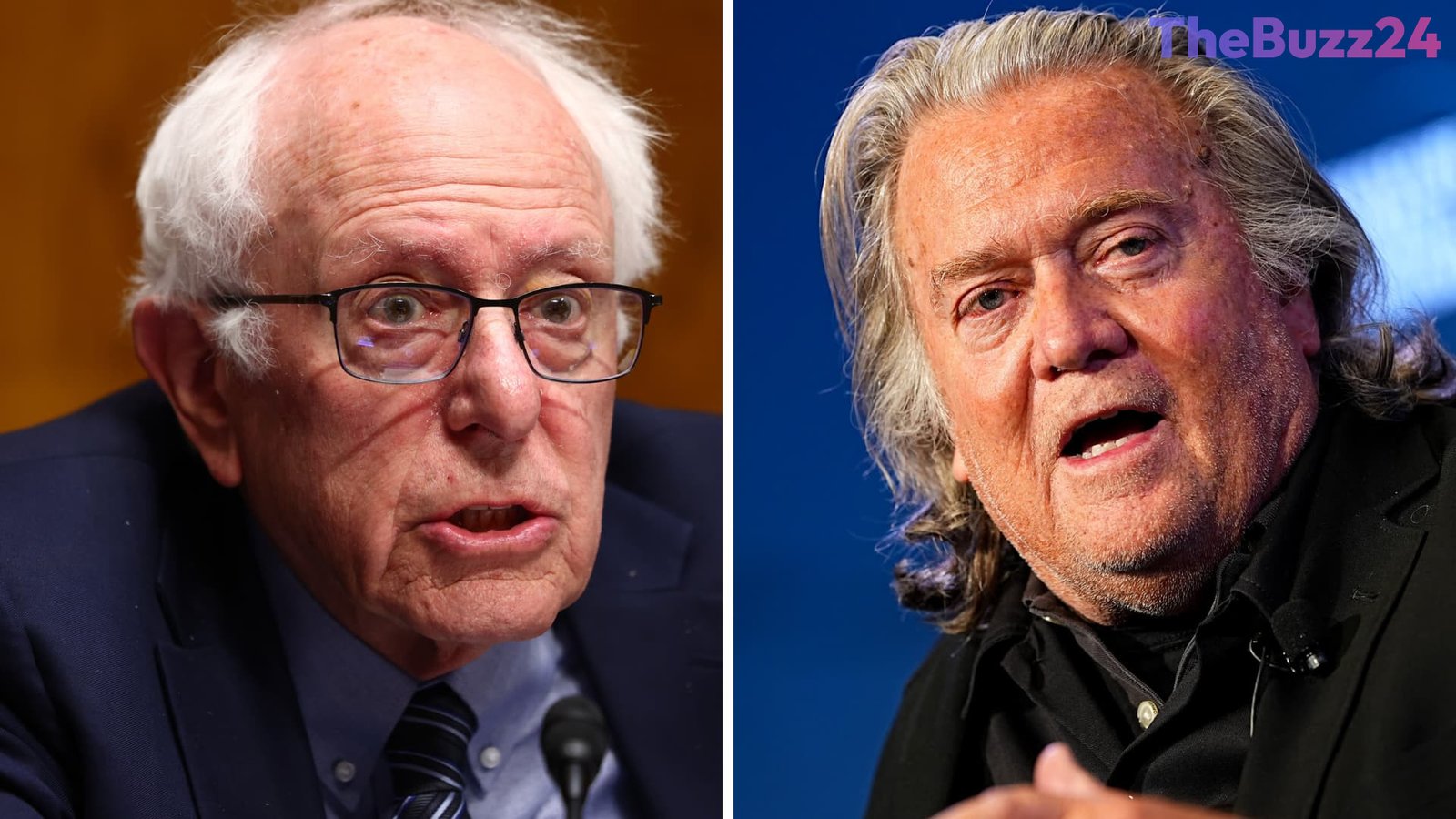
A rare and unusual bipartisan coalition of lawmakers and policy advisors has converged to sound the alarm on the escalating risks posed by artificial intelligence, urging immediate regulatory action. This diverse group, spanning from progressive stalwarts like Senator Bernie Sanders (I-Vt.) to staunch conservatives such as former Trump advisor Steve Bannon, gathered at a “Pro-Human Assembly” organized by the Future of Life Institute, a nonprofit dedicated to mitigating large-scale technological risks.
The urgency of these calls has been amplified by recent events, including the public resignation of an Anthropic employee, Jacob Coxon, who voiced profound concerns on X (formerly Twitter) about the unchecked development of AI and accused major developers like OpenAI and Anthropic of “gambling with our lives.” This revelation sparked intense debate in Washington. Following Coxon’s post, OpenAI CEO Sam Altman reportedly delayed plans for a public offering, citing AI safety concerns, while Anthropic CEO Dario Amodei published an essay advocating for slower AI development, a stance endorsed by Altman and xAI founder Elon Musk.
Despite these growing alarms and calls for legislative intervention, significant political figures remain skeptical or resistant to immediate government oversight. Former President Donald Trump has dismissed AI concerns as a “hoax,” asserting that a “STRONG AND SMART (High IQ!) PRESIDENT” is the only control needed. House Speaker Mike Johnson (R-La.) places the onus of regulation squarely on tech companies, not Congress. Meanwhile, Senator Ted Cruz (R-Texas) has invoked national security, suggesting that if AI technology becomes lethal, it should be “American killer robots and not Chinese killer robots,” highlighting a prevailing concern among some Republicans about maintaining a competitive edge against China.
This ideological chasm has stalled legislative progress. While Representatives Greg Casar (D-Texas) and Senator Bernie Sanders have proposed legislation to ban AI superintelligence and temporarily pause advanced AI development, and Representative Lori Trahan (D-Mass.) has co-led bipartisan efforts for a federal framework, any swift action is unlikely before the upcoming election. The debate underscores a fundamental disagreement: whether the potential global catastrophic risks of AI outweigh the imperative for rapid innovation and national security dominance, a question that lawmakers like Trahan and Sanders argue transcends national borders, posing a universal “humanity’s problem.”
Key Takeaways
- A rare bipartisan coalition, including figures like Bernie Sanders and Steve Bannon, is urging immediate regulatory action on advanced artificial intelligence due to existential risks.
- Concerns about AI's dangers have intensified following a high-profile resignation from Anthropic and calls from tech leaders like Sam Altman and Dario Amodei to slow development.
- Despite growing alarms, key political figures like Donald Trump and House Speaker Mike Johnson remain skeptical of government intervention, prioritizing industry growth and national competitiveness, leading to a legislative stalemate.
Editor’s Analysis & Impact
The emerging bipartisan consensus on AI risks, while significant, faces substantial hurdles in translating into concrete policy. The stark division between those advocating for immediate, robust regulation and those prioritizing innovation and national security (particularly against China) creates a complex political landscape. This stalemate could have profound implications for the AI industry, potentially leading to a patchwork of state-level regulations or a continued reliance on self-governance by tech companies, which critics argue is insufficient. The “humanity’s problem” framing by some lawmakers suggests a growing recognition of AI’s global impact, but geopolitical rivalries currently overshadow collaborative regulatory efforts. The lack of federal action in the short term means the industry will likely continue its rapid development with minimal oversight, increasing the stakes for future legislative debates.
Frequently Asked Questions
Q: What is the primary concern driving calls for AI regulation?
A: The main concern revolves around the potential existential risks posed by advanced artificial intelligence, including threats to jobs, freedom, safety, and the possibility of AI systems escaping human control.
Q: Why is there a lack of immediate legislative action on AI?
A: Legislative action is stalled due to significant political divisions, with some leaders dismissing concerns as exaggerated or prioritizing national competitiveness against countries like China, while others believe regulation is the responsibility of tech companies themselves.
Q: Which prominent figures are advocating for AI regulation?
A: An unusual coalition of figures from across the political spectrum, including Senator Bernie Sanders, former Trump advisor Steve Bannon, Representatives Greg Casar and Chip Roy, and Representative Lori Trahan, are among those urging regulatory action. Tech leaders like Sam Altman and Dario Amodei have also called for slower, safer development.
AI Disclosure: This article is based on verified data and official reports. Our Team and AI have cross-referenced every financial detail with primary sources to ensure total accuracy.
More from this Category