Midterm Elections 2026: Key Contests, Control of Congress, and Voter Sentiments
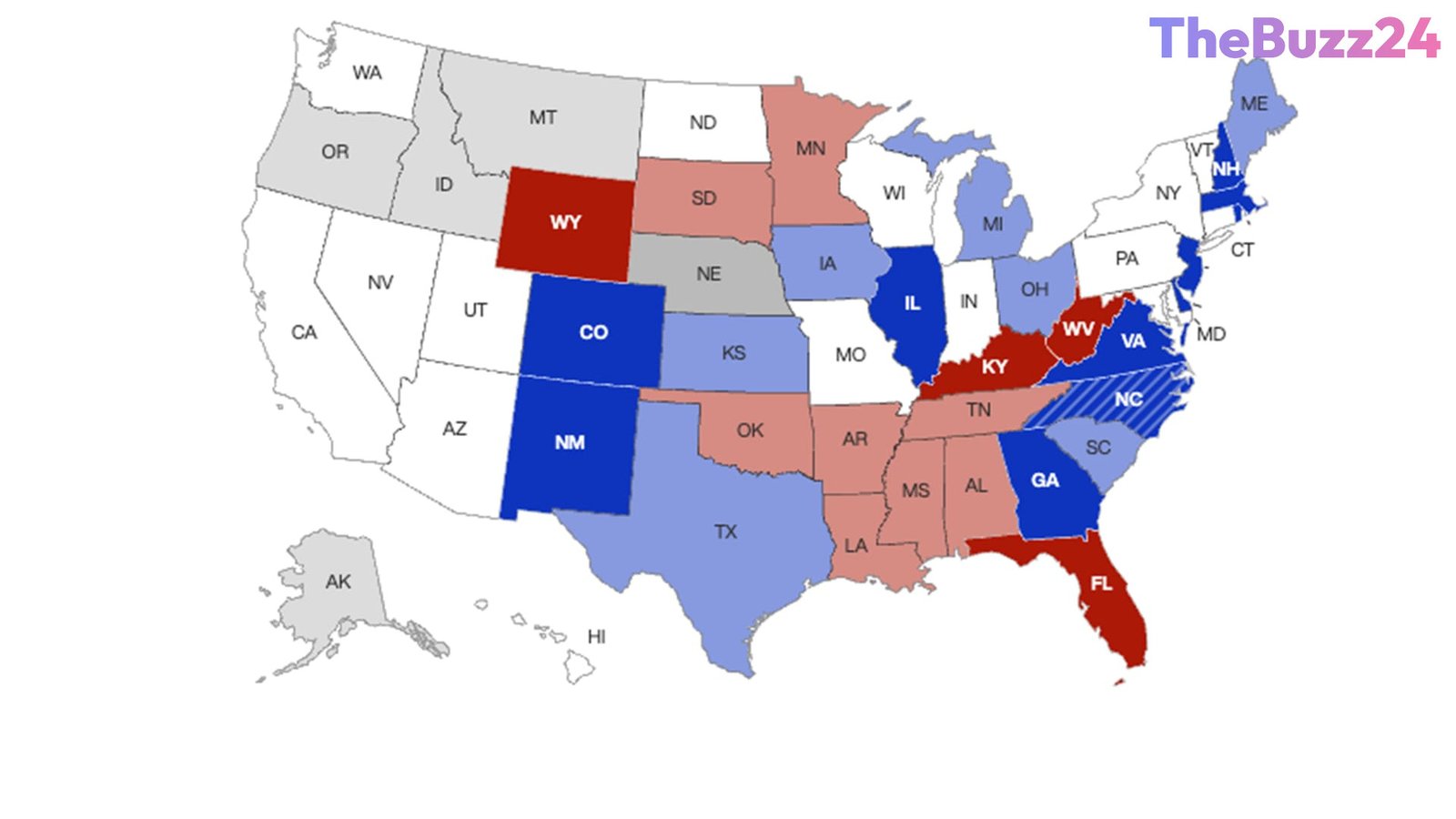
As voters head to the polls in the 2026 midterm elections, the battle for control of Congress is shaping up to be a critical referendum on the current administration. Major projections indicate a strong showing for Democrats in the House, while several traditionally safe Republican Senate seats—including races in Texas, Ohio, and South Carolina—are experiencing unexpectedly tight contests. These developments highlight shifting political dynamics across the country as voters weigh national economic concerns against local candidate platforms.
Economic anxiety, particularly concerning inflation, cost of living, and high energy prices linked to ongoing international conflicts, has dominated voter priorities this cycle. Surveys show a vast majority of Americans expressing frustration over persistent inflation and the financial strains of everyday necessities like housing and fuel. These pressures have fueled heated debates over tariffs and government spending, creating headwinds for incumbent candidates and putting both parties on high alert as they fight for legislative majorities.
Beyond control of the House and Senate, several high-profile gubernatorial and special elections are drawing national attention. From historic breakthroughs in state races to fierce battles over data center regulations and artificial intelligence policies, the outcomes are expected to influence both state-level governance and future national policy. With massive campaign spending and record voter turnout in several key districts, the results of these midterms will establish the political framework for the remainder of the decade.
Key Takeaways
- Control of the U.S. House and Senate hangs in the balance as Democrats gain momentum in several key swing and historically red districts.
- Voter sentiment is heavily influenced by economic pressures, particularly inflation, high energy costs, and housing affordability.
- Record-breaking political ad spending and high turnout across multiple states reflect the immense national stakes of the midterm cycle.
Editor’s Analysis & Impact
The 2026 midterm elections serve as a crucial barometer for the political landscape, heavily influenced by voter discontent over economic pressures and inflation. The tightening races in traditionally safe conservative strongholds signal potential vulnerability for the ruling party, which could drastically alter the legislative balance in Washington during the administration’s final years. Market participants are closely monitoring these outcomes, as shifts in congressional control typically trigger periods of policy gridlock or intensified corporate oversight. Furthermore, localized flashpoints—such as debates over artificial intelligence infrastructure, energy policies, and trade tariffs—demonstrate how modern technological and global issues are increasingly dictating domestic electoral outcomes. The long-term implications will likely ripple into future legislative agendas and shape the trajectory of the 2028 presidential cycle.
Frequently Asked Questions
Q: What are the main issues driving voter decisions in the 2026 midterms?
A: Voters are primarily focused on economic concerns, including persistent inflation, high energy and gas prices, housing affordability, and the broader cost of living.
Q: Which legislative chambers are up for grabs in these elections?
A: Both the U.S. House of Representatives and the U.S. Senate are heavily contested, with control of both chambers determining the legislative power dynamics for the remainder of the presidential term.
Q: How do midterm election outcomes typically impact the stock market?
A: Historically, financial markets tend to experience relief and positive returns in the 12 months following midterm elections as political uncertainty clears, though outcomes depend heavily on the final congressional power balance.
AI Disclosure: This article is based on verified data and official reports. Our Team and AI have cross-referenced every financial detail with primary sources to ensure total accuracy.
More from this Category