Beyond the Rhetoric: Why the BRICS Push for De-Dollarization Faces an Uphill Battle
During their recent summit, leaders of the BRICS bloc renewed their calls to transition away from the US dollar, advocating instead for the increased use of local currencies in cross-border trade. Driven by escalating geopolitical tensions, economic sanctions, and unpredictable US tariff policies, member nations like Russia, Iran, and South Africa expressed a strong desire to insulate their economies from the greenback’s dominance. However, despite representing a massive economic footprint—accounting for 27% of global output and 24% of merchandise exports—the bloc’s ambitions to dethrone the dollar face severe structural and political headwinds.
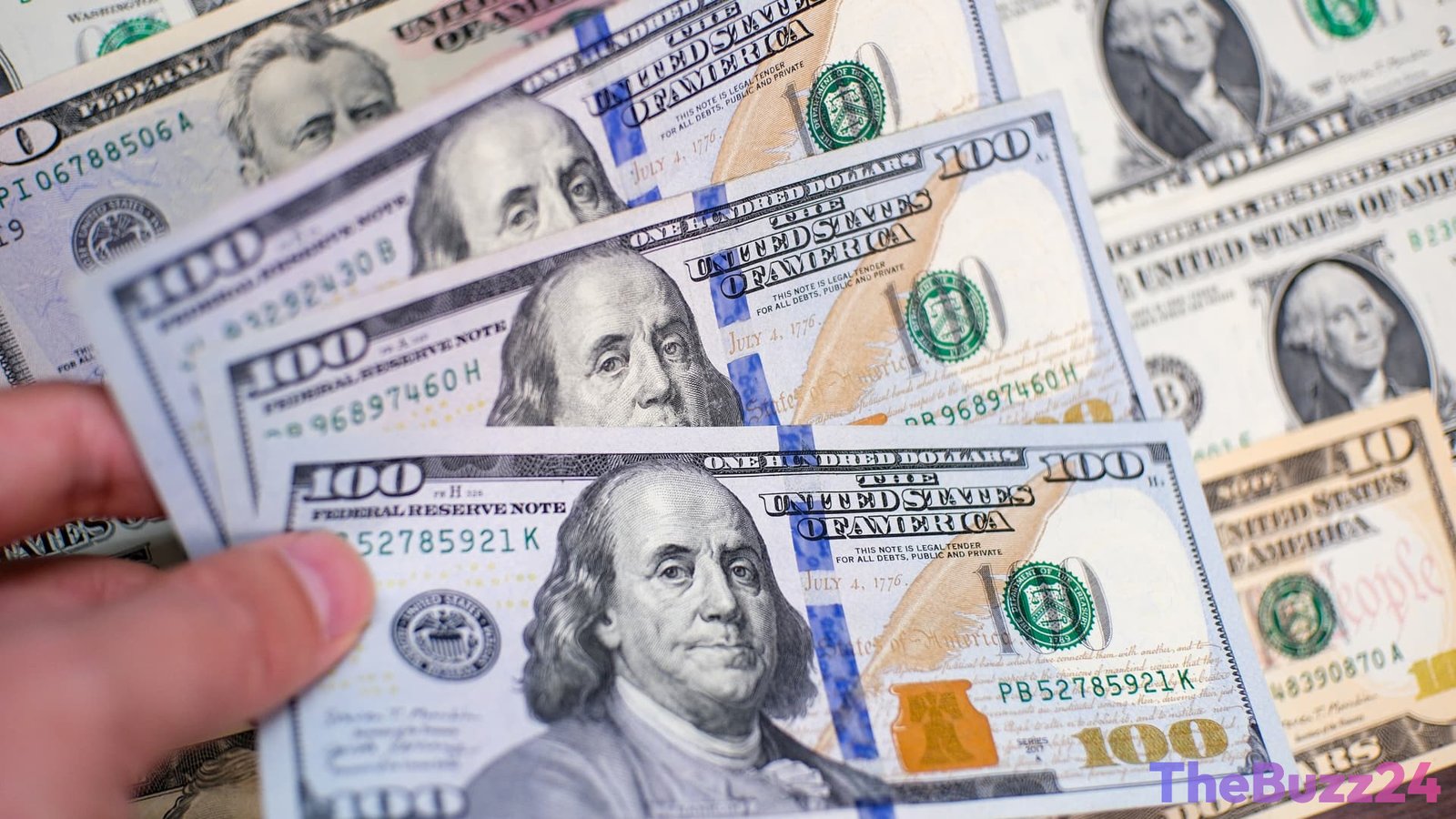
The primary obstacle to any coordinated de-dollarization effort is the sheer dominance of the US dollar in global finance. Data from the Bank for International Settlements reveals that the greenback remains involved in nearly 89% of all foreign exchange transactions. In contrast, most BRICS currencies lack the deep, liquid markets required for international trade, making the dollar the path of least resistance for pricing global commodities like oil and gold. While Russia and China have successfully shifted nearly 90% of their bilateral trade to rubles and yuan, analysts point out this was an emergency response to Western sanctions rather than a structured, bloc-wide policy.
Furthermore, deep-seated geopolitical rivalries and conflicting economic interests within BRICS prevent the cohesion needed to build a viable alternative financial system. The ongoing rivalry between China and India serves as a major roadblock. While Beijing seeks to internationalize the renminbi, it maintains strict capital controls. Meanwhile, New Delhi is hesitant to support any system that increases China’s financial hegemony, especially given India’s record $112.16 billion trade deficit with Beijing. Conversely, India enjoys a robust trade surplus with the United States, meaning a complete pivot away from the dollar does not align with its national economic interests.
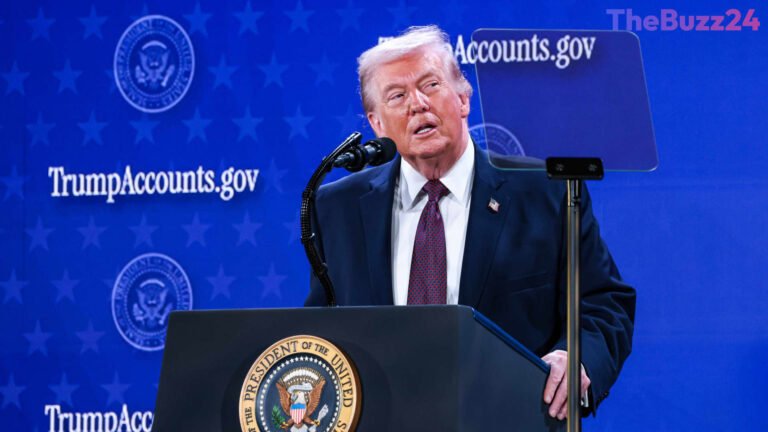
External pressures also complicate the bloc’s strategy. US President Donald Trump has previously threatened BRICS nations with 100% tariffs if they attempt to create a rival currency or replace the dollar, highlighting the high stakes of challenging the American financial system. With intra-BRICS trade representing only 5% of global trade, and member states possessing vastly different priorities—ranging from Russia’s need to bypass sanctions to India’s focus on promoting the rupee—the dream of a unified BRICS currency remains a distant prospect, characterized more by political rhetoric than practical economic reality.
Key Takeaways
- Despite representing over a quarter of global economic output, BRICS nations only account for about 5% of total global trade, limiting their collective leverage to displace the US dollar.
- Deep geopolitical rivalries, particularly between India and China, and conflicting national interests prevent the trust and integration required to establish a unified currency or payment system.
- The US dollar's unmatched liquidity, accounting for 89% of foreign exchange transactions, ensures it remains the default choice for global commodity pricing and trade settlement.
Editor’s Analysis & Impact
The ongoing discourse surrounding de-dollarization highlights a growing desire among emerging economies for strategic autonomy, yet the structural supremacy of the US dollar remains virtually unchallenged. For any currency to rival the dollar, it must offer deep liquidity, open capital accounts, and a high level of global trust—qualities that BRICS currencies currently lack. China’s reluctance to lift capital controls and India’s wariness of Chinese dominance ensure that a unified BRICS currency is highly unlikely in the near to medium term. Instead, we are likely to see a fragmented global financial landscape where bilateral trade agreements in local currencies increase, particularly among sanctioned nations. However, this fragmentation will not dismantle the dollar’s hegemony but will rather create parallel, less efficient payment corridors. Investors should expect the dollar to maintain its dominant status, while geopolitical risks continue to drive localized currency experiments.
Frequently Asked Questions
Q: Why do BRICS nations want to move away from the US dollar?
A: BRICS nations seek to reduce their reliance on the US dollar to protect their economies from geopolitical tensions, unilateral US sanctions, tariff policies, and the volatility associated with the devaluation of their own currencies.
Q: What is the main obstacle preventing BRICS from replacing the dollar?
A: The primary obstacles include the lack of deep liquid markets for BRICS currencies, strict capital controls in China, and intense geopolitical rivalry and trade imbalances between key members like India and China.
Q: How has the US responded to the threat of de-dollarization?
A: The US has taken a firm stance, with political leadership threatening to impose 100% tariffs on BRICS nations if they attempt to create a rival currency or actively replace the US dollar in global trade.
AI Disclosure: This article is based on verified data and official reports. Our Team and AI have cross-referenced every financial detail with primary sources to ensure total accuracy.
More from this Category