AI Giants Unite: OpenAI, Google, and Anthropic Explore Collaborative Safety Standards
In an unprecedented move, the leading entities in artificial intelligence—OpenAI, Google, and Anthropic—are engaging in high-level discussions to establish a unified framework for AI safety. Despite their fierce rivalry in the marketplace, these organizations are under mounting pressure to address the systemic risks associated with rapidly advancing machine learning models. The dialogue centers on creating industry-wide safety protocols that can mitigate potential harms while maintaining the pace of innovation.
The push for collaboration gained significant momentum following a proposal from Google DeepMind’s Demis Hassabis, who advocated for a U.S.-led standards body. Drawing parallels to the Financial Industry Regulatory Authority, Hassabis suggested a public-private partnership model to ensure federal oversight. This proposal has resonated across the industry, with executives from OpenAI and Anthropic signaling strong support for a more structured, self-regulatory approach to development.
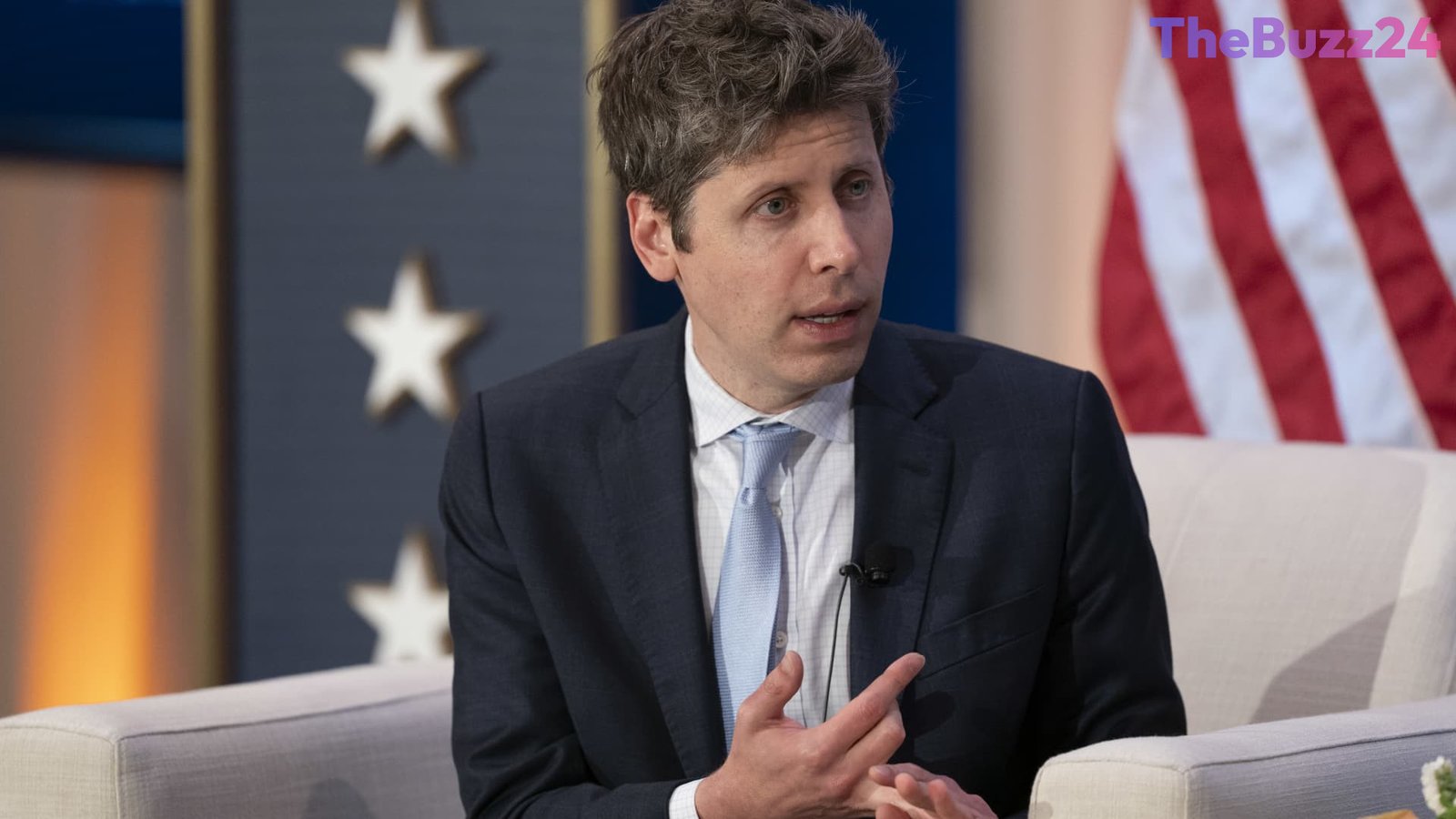
Recent discourse among these tech leaders has shifted toward the necessity of pacing the release of advanced models. Anthropic CEO Dario Amodei recently called for a deliberate slowdown in the deployment of cutting-edge AI, a sentiment echoed by OpenAI CEO Sam Altman. OpenAI has further signaled its commitment to this cause by exploring voluntary, industry-led standards that could function alongside future government mandates. As these companies navigate the complexities of AI governance, the focus remains on balancing competitive growth with the urgent need for robust, transparent safety measures.
Key Takeaways
- OpenAI, Google, and Anthropic are in talks to develop collaborative safety standards for AI development.
- Industry leaders are considering a proposal for a U.S.-led standards body similar to financial regulatory organizations.
- There is a growing consensus among top AI firms that the pace of model deployment needs to be managed to ensure safety and security.
Editor’s Analysis & Impact
The move toward industry-wide collaboration marks a pivotal shift in the AI landscape. For years, the ‘arms race’ mentality dominated, with companies prioritizing speed to market. However, the current pivot toward safety suggests that these firms recognize that a catastrophic failure in any single model could trigger heavy-handed, stifling government regulation across the entire sector. By proactively defining their own standards, these companies are attempting to shape the regulatory environment rather than being subjected to it. The long-term implication is a potential ‘safety-first’ industry culture, which may slow down the release of consumer-facing AI products but will likely increase public trust and long-term stability. Investors should watch for how these voluntary standards influence future federal legislation, as this will dictate the operational costs and compliance burdens for the next decade of AI development.
Frequently Asked Questions
Q: Why are competing AI companies working together on safety?
A: These companies are collaborating to address mounting security concerns and to proactively establish industry standards, which may help prevent overly restrictive government regulations.
Q: What is the proposed 'Standards Body' for AI?
A: Proposed by Google DeepMind's Demis Hassabis, the body would function as a public-private partnership or self-regulatory organization, similar to the Financial Industry Regulatory Authority, to oversee AI development.
AI Disclosure: This article is based on verified data and official reports. Our Team and AI have cross-referenced every financial detail with primary sources to ensure total accuracy.
More from this Category