Beyond Text: Runway’s Multi-Billion Dollar Bet on AI World Models
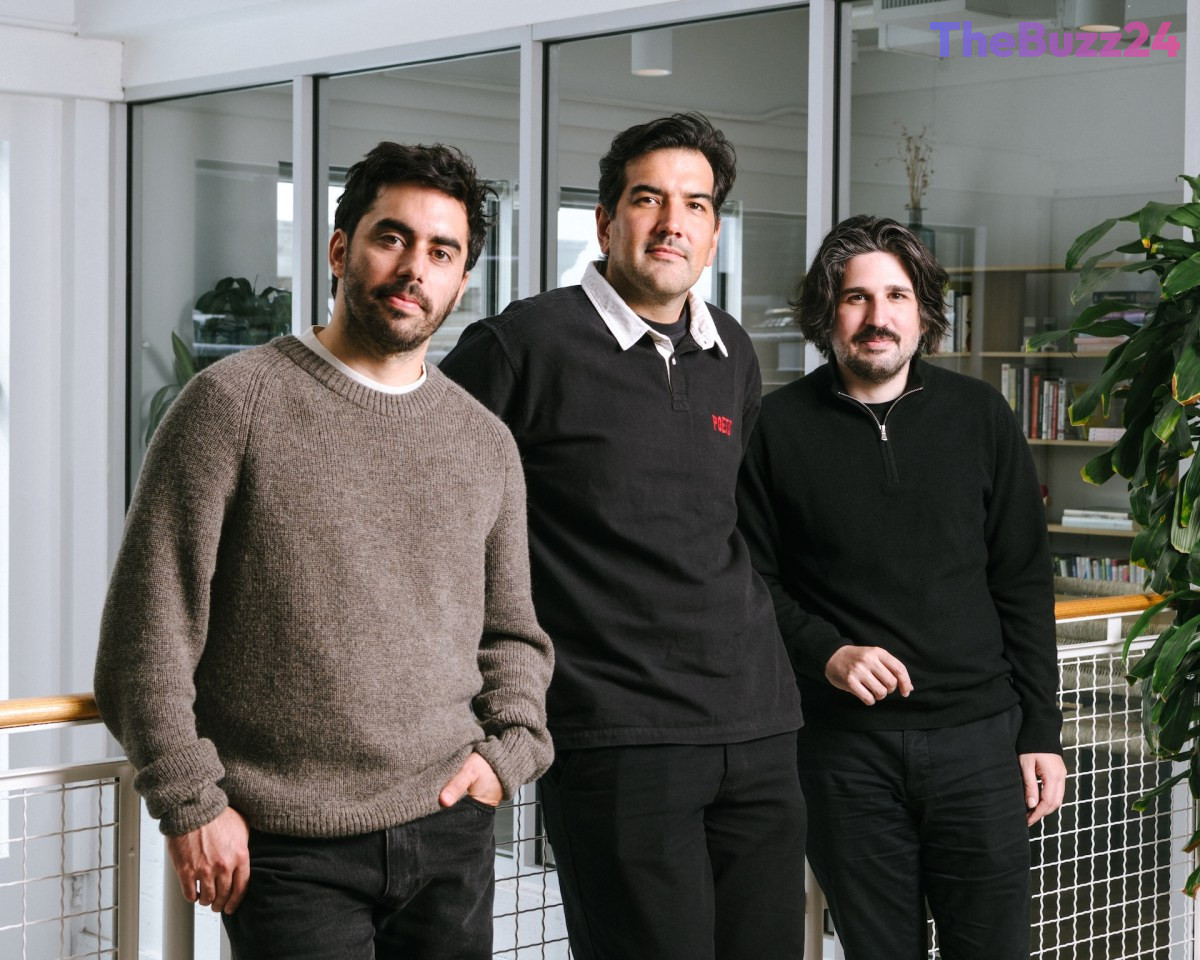
While the broader artificial intelligence sector remains fixated on text-based large language models, New York-based startup Runway is carving out a distinct path. Founded in 2018 by NYU Tisch School of the Arts alumni, the company has evolved from a niche creative toolmaker into a major player in generative video. With a current valuation of $5.3 billion, Runway has already made its mark on the entertainment industry, providing technology for high-profile projects like ‘Everything Everywhere All At Once’ and establishing strategic partnerships with major studios such as Lionsgate and AMC Networks.
At the heart of Runway’s strategy is the development of ‘world models’—AI systems designed to learn from visual and sensory data rather than just text. The company’s leadership argues that true machine intelligence requires an understanding of physical laws, such as how objects move and interact within a space. By training models on vast amounts of video data, Runway aims to create systems that can simulate reality, potentially unlocking new capabilities in fields ranging from robotics to interactive gaming.
This shift toward physical reasoning places Runway in direct competition with industry titans like Google and OpenAI, both of which are aggressively developing their own video and simulation platforms. To support its massive computational requirements, Runway has secured $860 million in funding, backed by hardware leaders including Nvidia and AMD Ventures, alongside infrastructure support from CoreWeave. Despite the presence of well-funded rivals, Runway’s executives maintain that their creative, non-traditional origins provide the agility necessary to lead the next wave of AI innovation.
Key Takeaways
- Runway is pivoting from text-based AI to 'world models' that simulate physical reality through video data.
- The company is valued at $5.3 billion and has secured $860 million in funding from major hardware players like Nvidia and AMD.
- Runway faces stiff competition from tech giants like Google and OpenAI in the race to build generalized physical reasoning engines.
Editor’s Analysis & Impact
Runway’s pivot toward ‘world models’ represents a critical paradigm shift in the artificial intelligence landscape. While large language models (LLMs) have dominated public attention, they are inherently limited by the boundaries of human text. By training AI on visual and spatial data, Runway is attempting to solve the problem of physical reasoning—a necessary precursor for advanced robotics, autonomous systems, and truly immersive digital environments. However, the computational costs associated with processing and training video-based models are astronomical. Runway’s success will depend heavily on its ability to maintain its capital efficiency and leverage its partnerships with hardware giants like Nvidia and AMD. If Runway can successfully bridge the gap between video generation and generalized physical understanding, it could position itself as the foundational infrastructure for the next generation of physical and digital automation, challenging the dominance of traditional Silicon Valley tech giants.
Frequently Asked Questions
Q: What is a 'world model' in AI?
A: A world model is an AI system trained on sensory data, such as video, to understand, simulate, and predict how the physical world operates, including gravity, motion, and object interactions.
Q: How is Runway funded?
A: Runway has raised $860 million to date, with major backing from Nvidia, AMD Ventures, and partnerships with cloud providers like CoreWeave.
Q: What notable projects have used Runway's technology?
A: Runway's generative video tools have been utilized in major Hollywood productions, including the Oscar-winning film 'Everything Everywhere All At Once', and through partnerships with Lionsgate and AMC Networks.
AI Disclosure: This article is based on verified data and official reports. Our Team and AI have cross-referenced every financial detail with primary sources to ensure total accuracy.
More from this Category