AI Visionary Raises $55M Seed at $300M Valuation, Eyes Visual AGI
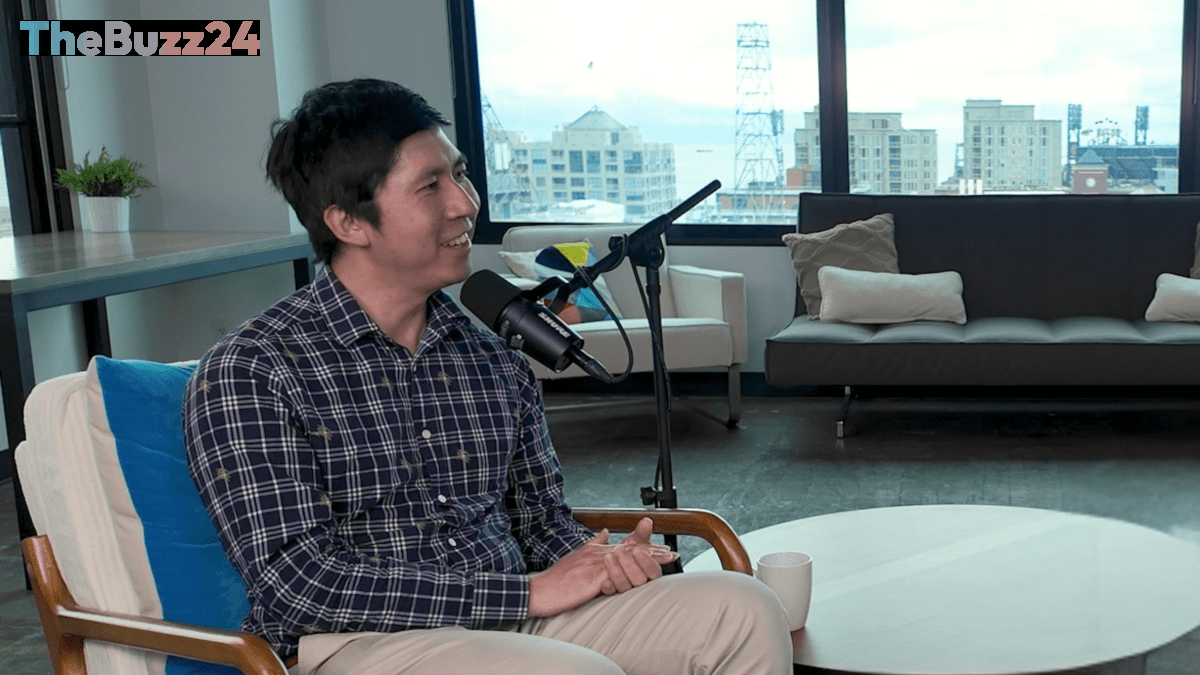
Andrew Dai, a former researcher at Google DeepMind, has successfully secured $55 million in seed funding for his new venture, Elorian, achieving a significant $300 million valuation. This substantial pre-product funding round underscores the immense investor confidence in Dai’s vision for the future of artificial intelligence, particularly in the realm of visual understanding and reasoning.
Dai, who contributed to foundational AI research that influenced models like ChatGPT, believes that while AI has made strides in areas like mathematics, coding, and physics, visual AI remains a largely untapped frontier. “One area where progress has been extremely uneven is visual understanding and visual reasoning,” Dai stated. “At Elorian, we want to build models that will advance us toward visual AGI.” His ambition is to develop AI systems capable of sophisticated visual comprehension, a critical step towards achieving Artificial General Intelligence (AGI).
The fundraising process, detailed in a recent interview, highlights Dai’s strategic approach. He emphasized the importance of securing partners who deeply understand the complexities of frontier AI development, such as Nvidia and Menlo Ventures, even when faced with offers that might have yielded a higher immediate valuation. This focus on strategic alignment over pure financial metrics suggests a long-term perspective on building a sustainable and impactful AI company.
Elorian’s success in attracting top-tier talent and significant investment signals a broader trend in the AI industry. The company’s ability to articulate a complex technical vision to investors and its emphasis on speed as a competitive advantage offer valuable insights for other startups navigating the fast-paced AI landscape. Dai’s strategy provides a compelling case study for founders aiming to build groundbreaking AI technologies.
Key Takeaways
- Elorian, founded by ex-DeepMind researcher Andrew Dai, raised $55 million in seed funding at a $300 million valuation.
- The company aims to advance visual AI and reasoning capabilities, a frontier Dai believes is crucial for achieving Artificial General Intelligence (AGI).
- Dai prioritized strategic investors like Nvidia and Menlo Ventures, emphasizing long-term understanding of AI development over maximizing immediate valuation.
Editor’s Analysis & Impact
The substantial seed funding and high valuation for Elorian, a company yet to launch a product, highlight the intense investor appetite for frontier AI ventures, particularly those focused on foundational advancements. Andrew Dai’s background at DeepMind and his clear articulation of a vision for visual AGI are key drivers. This move signals a potential shift in AI development priorities, moving beyond language and code towards more complex sensory understanding. The emphasis on strategic partnerships over pure valuation suggests a mature approach to building a sustainable business in a rapidly evolving, competitive field. Elorian’s success could inspire further investment in specialized AI domains, potentially accelerating the path toward more general AI capabilities.
Frequently Asked Questions
Q: What is visual AI and why is it considered a frontier?
A: Visual AI refers to artificial intelligence systems that can interpret and understand visual information, such as images and videos. It's considered a frontier because, despite advancements in other AI areas like natural language processing, achieving human-level visual understanding and reasoning remains a significant challenge.
Q: What is Artificial General Intelligence (AGI)?
A: Artificial General Intelligence (AGI) is a hypothetical type of AI that possesses the ability to understand, learn, and apply knowledge across a wide range of tasks at a level comparable to human cognitive abilities, rather than being specialized for a single task.
Q: Why did Andrew Dai prioritize strategic investors over higher valuations?
A: Dai prioritized strategic partners like Nvidia and Menlo Ventures because they possess deep expertise and understanding of the complexities involved in building frontier AI. He believed this alignment and support would be more valuable for the long-term success and development of Elorian than simply securing the highest possible valuation from less knowledgeable investors.
AI Disclosure: This article is based on verified data and official reports. Our Team and AI have cross-referenced every financial detail with primary sources to ensure total accuracy.
More from this Category