Airlink Cancels Upcoming Rugby Stadium Flyby Amid Regulatory Scrutiny Over Low-Altitude Stunt
The regional airline responsible for a controversial low-level formation flight over a packed Cape Town stadium has pulled the plug on a planned encore performance. Officials cited adverse weather forecasts as the official reason for grounding the upcoming display, which was scheduled ahead of Saturday’s rugby clash between South Africa and New Zealand in Johannesburg.
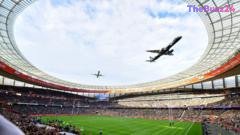
The initial maneuver, which featured two commercial aircraft painted in distinct colors trailing colored smoke, drew global attention after footage circulated widely on social media. While many spectators marveled at the precision and skill of the pilots, aviation enthusiasts and safety critics quickly raised alarms. Flight tracking data indicated that the lead aircraft may have cleared the stadium roof by less than 50 feet, sparking intense debate over whether the stunt crossed safety boundaries.
In the wake of the public spectacle, the national civil aviation authority launched a formal compliance review. Regulators requested flight data recordings and engaged directly with the operator to verify that safety margins were maintained during the event. Although the airline maintained that the maneuver was meticulously rehearsed using flight simulators and executed by veteran aviators within authorized parameters, leadership ultimately decided to scrap the weekend follow-up to avoid overshadowing the sporting event.
Airline executives emphasized that the intention was never to draw controversy or distract from the athletic competition. While low-altitude flybys have long been a traditional fixture at major South African cultural and sporting gatherings, the intense fallout from this latest exhibition highlights growing sensitivity around aviation safety protocols in densely populated public spaces.
Key Takeaways
- Airlink cancelled its planned stadium flyby for the upcoming South Africa versus New Zealand rugby match, citing poor weather conditions.
- The decision follows heavy public debate and a formal compliance review by the South African Civil Aviation Authority regarding a previous low-altitude flight.
- Flight data and simulator logs were voluntarily submitted by the airline, which insisted that safety limits and experienced crews were utilized during the initial stunt.
Editor’s Analysis & Impact
The cancellation of the Airlink stadium flyby underscores a delicate balance between public entertainment and aviation safety regulations. While high-profile promotional stunts generate immense brand visibility and fan engagement, they increasingly face intense digital scrutiny and regulatory oversight in the modern era of ubiquitous social media documentation. This incident serves as a cautionary tale for commercial operators engaging in public spectacles, demonstrating that viral fame can quickly translate into costly operational audits and reputational risks. Moving forward, aviation authorities are likely to tighten the approval process and enforcement mechanisms for low-altitude demonstrations over populated venues, prioritizing risk mitigation over traditional spectacle.
Frequently Asked Questions
Q: Why was the second stadium flyby cancelled?
A: Airlink officially cancelled the upcoming flyby due to unfavorable weather forecasts, though the decision also came amid growing regulatory scrutiny and public debate over safety.
Q: How close did the planes get to the stadium during the initial stunt?
A: According to flight tracking analysis, the lead aircraft passed less than 50 feet above the top of the Cape Town stadium during the low-altitude maneuver.
Q: Are stadium flybys common in South Africa?
A: Yes, flybys featuring military jets and commercial aircraft have historically been a traditional feature at major South African sporting events and presidential inaugurations.
AI Disclosure: This article is based on verified data and official reports. Our Team and AI have cross-referenced every financial detail with primary sources to ensure total accuracy.
More from this Category