Alabama Escalates Legal Battle Over Congressional Redistricting to Supreme Court
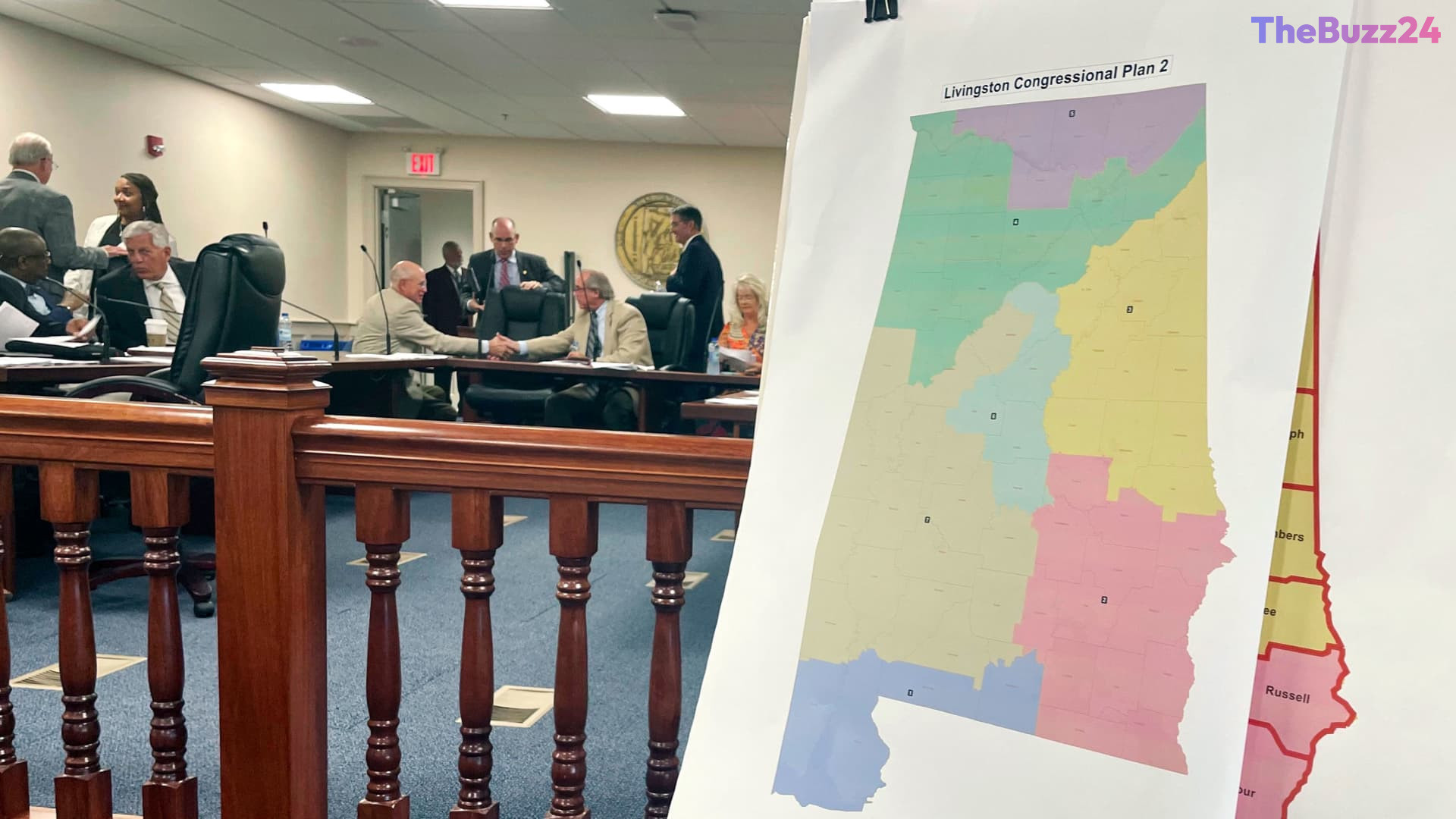
The state of Alabama has officially petitioned the U.S. Supreme Court for an emergency stay, seeking to invalidate a recent lower-court ruling that rejected the state’s 2023 congressional district map. A three-judge panel in Birmingham recently determined that the redistricting plan was intentionally discriminatory, concluding that it unconstitutionally diminishes the voting power of Black residents. This ongoing litigation serves as a critical test case in the national discourse surrounding racial gerrymandering and the balance of power within the House of Representatives.
The legal dispute follows a Supreme Court remand that directed the lower court to re-evaluate the map in the context of the recent Louisiana v. Callais decision. Despite this guidance, the Alabama panel maintained that the 2023 map remains in violation of federal law. State officials, however, argue that the lower court misapplied the legal standards set forth in the Callais ruling, asserting that the judiciary is overstepping its authority by interfering with the state legislature’s constitutional right to define its own electoral boundaries.
In its latest filing, Alabama has invoked the Purcell principle, a legal doctrine that cautions federal courts against modifying election procedures in close proximity to an upcoming vote. The state is requesting that the Supreme Court issue a stay on the lower court’s order by June 1, arguing that the current judicial intervention prevents the implementation of a map they maintain is legally compliant. The final resolution of this case is expected to have far-reaching consequences for the upcoming election cycle and the future of redistricting oversight across the United States.
Key Takeaways
- Alabama has appealed to the Supreme Court to block a lower-court ruling that invalidated its 2023 congressional map.
- The state argues that the lower court failed to correctly apply legal standards established in the Louisiana v. Callais case.
- Alabama is citing the Purcell principle, arguing that judicial changes to election maps should not occur shortly before an election.
Editor’s Analysis & Impact
The Alabama redistricting case represents a pivotal moment in American election law, highlighting the ongoing tension between state legislative autonomy and federal judicial oversight. By invoking the Purcell principle, Alabama is attempting to leverage procedural timing to preserve its current electoral map, a strategy that underscores the high stakes of partisan and racial representation. If the Supreme Court sides with the state, it could signal a broader trend of judicial restraint, potentially limiting the ability of federal courts to intervene in state-led redistricting efforts. Conversely, a rejection of the appeal would reinforce the judiciary’s role as a safeguard against discriminatory voting practices. This case will likely set a significant precedent for how future redistricting challenges are adjudicated, impacting the political landscape for years to come.
Frequently Asked Questions
Q: Why is Alabama challenging the lower court's decision?
A: Alabama argues that the lower court misapplied legal standards from the Louisiana v. Callais case and that the court is improperly interfering with the state legislature's authority to draw electoral boundaries.
Q: What is the Purcell principle?
A: The Purcell principle is a legal doctrine that discourages federal courts from changing election rules or procedures shortly before an election to avoid voter confusion and administrative disruption.
AI Disclosure: This article is based on verified data and official reports. Our Team and AI have cross-referenced every financial detail with primary sources to ensure total accuracy.
More from this Category