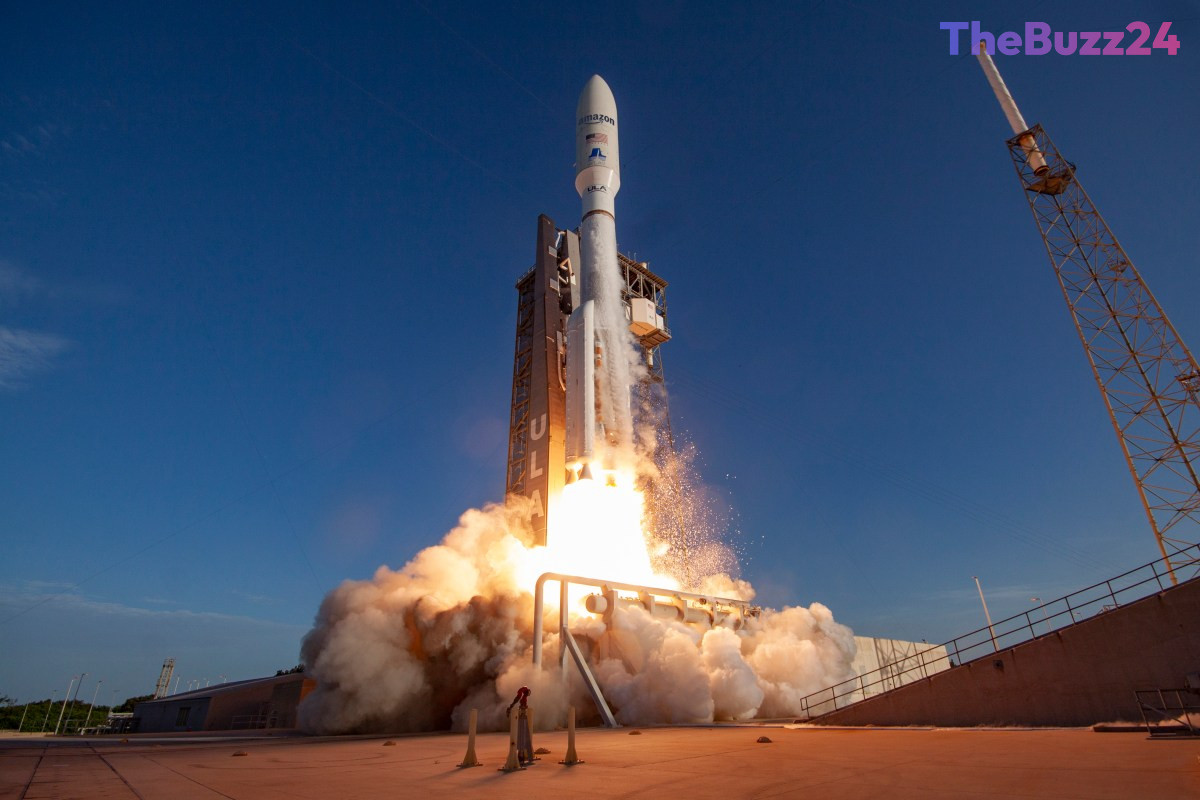
Amazon Challenges SpaceX in Satellite-to-Mobile Market with Ambitious FCC Filing
Amazon has officially submitted an application to the Federal Communications Commission for authorization to deploy and operate a massive new network consisting of 5,105 satellites. The proposed constellation aims to deliver direct cellular connectivity to mobile devices, with commercial launches scheduled to begin around 2028. This strategic maneuver follows Amazon’s acquisition of Globalstar’s satellite operations, a deal that previously supplied emergency connectivity features for Apple iPhones and various internet-of-things hardware.
By leveraging Globalstar’s radio spectrum, Amazon intends to merge these newly acquired capabilities with its existing low-Earth orbit broadband infrastructure, known as Leo. This ambitious expansion directly challenges SpaceX, which has heavily invested in dominating the satellite internet and device connectivity sectors. SpaceX recently announced multi-billion-dollar plans to acquire additional spectrum from EchoStar to bolster its own mobile satellite constellation, intensifying the corporate rivalry in low-Earth orbit.
Despite the aggressive investments from major tech and aerospace players, industry experts remain divided regarding the immediate commercial viability of satellite-to-mobile technology. Current limitations restrict bandwidth primarily to basic text messaging and emergency distress signals, with early utilization data showing minimal overall network consumption outside of remote regions like national parks. Furthermore, Amazon faces logistical hurdles regarding launch capabilities, as it relies heavily on Blue Origin’s New Glenn rocket—a vehicle that has recently encountered launch pad setbacks and schedule delays, forcing Amazon to seek regulatory timeline extensions from the FCC.
Key Takeaways
- Amazon filed an FCC application to launch a constellation of 5,105 satellites for mobile phone services.
- The initiative builds on Amazon's acquisition of Globalstar's satellite operations and its existing Leo broadband network.
- The move sets up a direct rivalry with SpaceX in the expanding satellite-to-mobile communication market.
Editor’s Analysis & Impact
Amazon’s aggressive push into the satellite-to-mobile sector marks a significant escalation in the battle for low-Earth orbit dominance against SpaceX. While the current market demand for satellite-to-phone connectivity remains relatively niche—largely restricted to remote areas and emergency messaging—the long-term implications for global telecommunications are profound. Integrating satellite capabilities directly into standard consumer mobile devices could eventually eliminate cellular dead zones worldwide. However, Amazon faces distinct strategic disadvantages, notably its reliance on Blue Origin’s unproven and delayed launch vehicles. Despite these logistical hurdles, Amazon’s immense capital reserves provide a massive financial cushion, allowing the company to play the long game in an infrastructure market characterized by exorbitant upfront costs and uncertain near-term revenue streams.
Frequently Asked Questions
Q: What is the primary goal of Amazon's new satellite filing?
A: Amazon has applied to operate a network of 5,105 satellites aimed at providing direct connectivity services to standard mobile phones, starting around 2028.
Q: How does this move impact the competitive landscape?
A: The filing sets up a direct competition with SpaceX, which currently dominates the satellite internet and satellite-to-mobile communications market.
Q: What are some of the current challenges facing satellite-to-mobile technology?
A: Current satellite-to-mobile connections offer limited bandwidth suitable mostly for text messages or emergencies, and overall consumer utilization remains very low outside of remote areas like national parks.
AI Disclosure: This article is based on verified data and official reports. Our Team and AI have cross-referenced every financial detail with primary sources to ensure total accuracy.
More from this Category