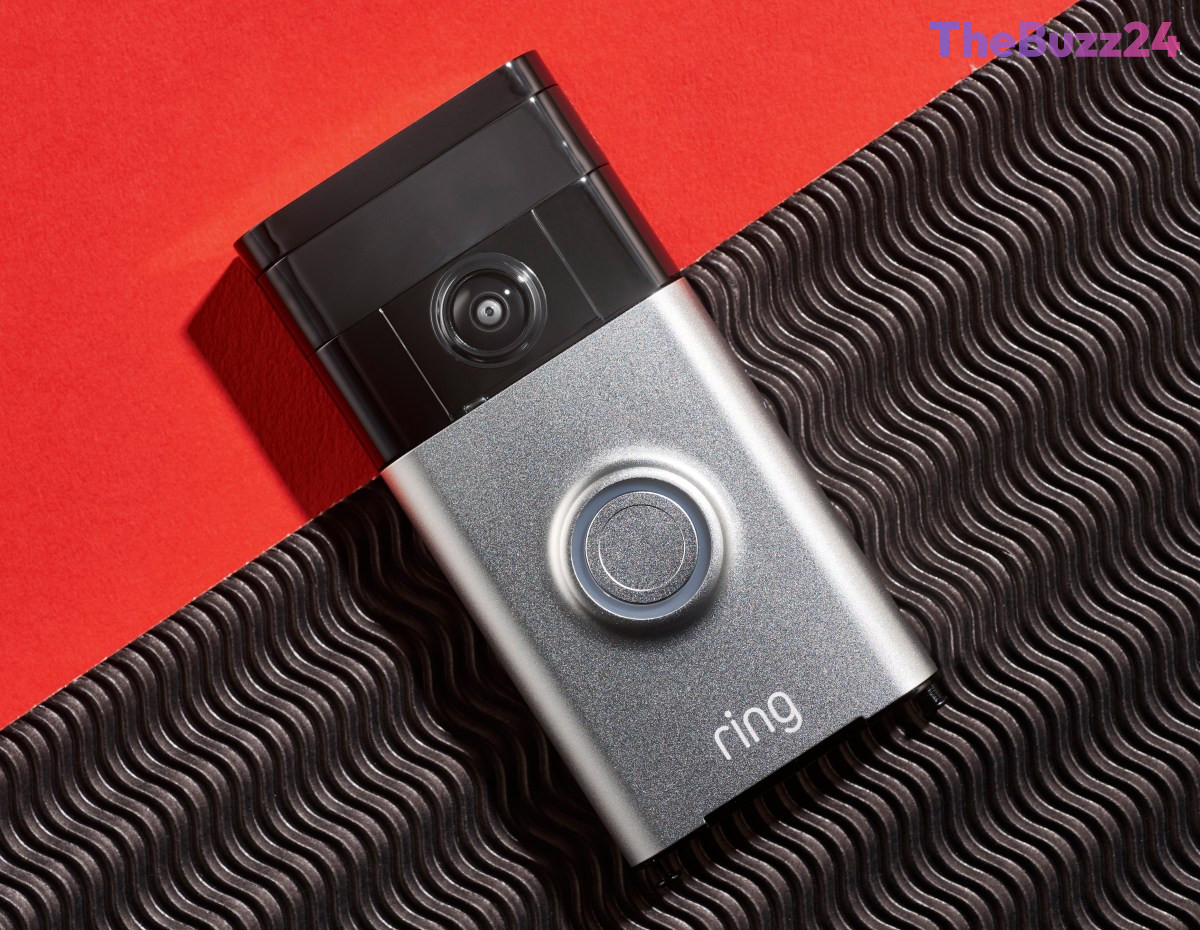
Amazon Hit With Class Action Lawsuit Over Ring Doorbell Facial Recognition Privacy Concerns
Amazon is facing a significant legal challenge following the filing of a class action lawsuit in Seattle regarding the privacy practices of its Ring doorbell cameras. The litigation centers on the company’s ‘Familiar Faces’ feature, which utilizes artificial intelligence to identify individuals who frequently visit a user’s property. While the feature is designed to provide personalized notifications, such as identifying a family member or neighbor, the lawsuit alleges that the system captures and stores biometric data of passersby who have never consented to being scanned.
The plaintiff, Virginia resident Charles Sigwalt, contends that millions of Americans have had their facial recognition data collected without their knowledge or permission as they walk past homes equipped with the technology. Although Ring requires users to opt into the feature, critics and privacy advocates argue that the burden of consent is unfairly placed on the individuals being recorded, who have no control over the device’s surveillance capabilities.
This legal action adds to a growing list of privacy-related controversies for the company. Amazon previously reached a $5.8 million settlement with the Federal Trade Commission in 2023 following allegations that employees and contractors had unauthorized access to private customer video footage. Furthermore, the company has faced scrutiny for its historical partnerships with law enforcement agencies and the implementation of various AI-driven surveillance tools, raising broader questions about the balance between home security convenience and public privacy rights.
Key Takeaways
- A class action lawsuit has been filed against Amazon alleging that its Ring 'Familiar Faces' feature collects biometric data from passersby without consent.
- The lawsuit highlights the tension between consumer-facing AI security features and the privacy rights of individuals who are recorded in public spaces.
- This legal challenge follows a history of privacy controversies for Ring, including a 2023 settlement with the FTC regarding unauthorized employee access to customer videos.
Editor’s Analysis & Impact
The lawsuit against Amazon represents a critical inflection point for the smart home industry. As consumer-grade AI surveillance becomes more sophisticated, the legal and ethical frameworks governing biometric data collection in public-facing residential areas remain underdeveloped. If the court rules in favor of the plaintiffs, it could force a fundamental shift in how tech companies deploy facial recognition, potentially requiring stricter ‘privacy-by-design’ mandates or limiting the scope of AI features in consumer devices. Beyond the immediate legal costs, the reputational damage and the potential for increased regulatory oversight could stifle innovation in the smart home sector. Companies will likely need to move toward more transparent data handling practices and robust opt-out mechanisms for non-users to avoid further litigation and maintain consumer trust in an increasingly surveillance-heavy environment.
Frequently Asked Questions
Q: What is the 'Familiar Faces' feature on Ring doorbells?
A: It is an AI-powered feature that allows Ring users to identify frequent visitors, such as family members or neighbors, enabling the device to send personalized notifications when those specific individuals are detected.
Q: Why is this feature the subject of a lawsuit?
A: The lawsuit claims that the feature collects and stores facial recognition data of passersby who have not consented to being scanned, raising significant privacy concerns regarding the collection of biometric information in public spaces.
AI Disclosure: This article is based on verified data and official reports. Our Team and AI have cross-referenced every financial detail with primary sources to ensure total accuracy.
More from this Category