Amazon’s Zoox Cleared for Commercial Robotaxi Service, Launching Paid Rides in Las Vegas
Amazon-owned Zoox is set to commence charging for its robotaxi services following a significant temporary exemption granted by the National Highway Traffic Safety Administration (NHTSA). This regulatory clearance marks a pivotal moment for the autonomous vehicle sector, enabling Zoox to transition from free public demonstrations to a commercial operation.
The exemption permits Zoox to deploy up to 2,500 vehicles annually for a two-year period. This deployment is contingent upon an “enhanced, adaptable oversight structure” designed to evolve alongside Zoox’s technological advancements. The company has confirmed that paid rides will initially launch in Las Vegas, with plans to expand into additional markets as it fulfills state-specific commercialization requirements. Zoox CEO Aicha Evans hailed the decision as a crucial milestone for both the company and the broader autonomous vehicle industry, emphasizing the honor of receiving the first-ever commercial exemption for a purpose-built robotaxi from NHTSA.
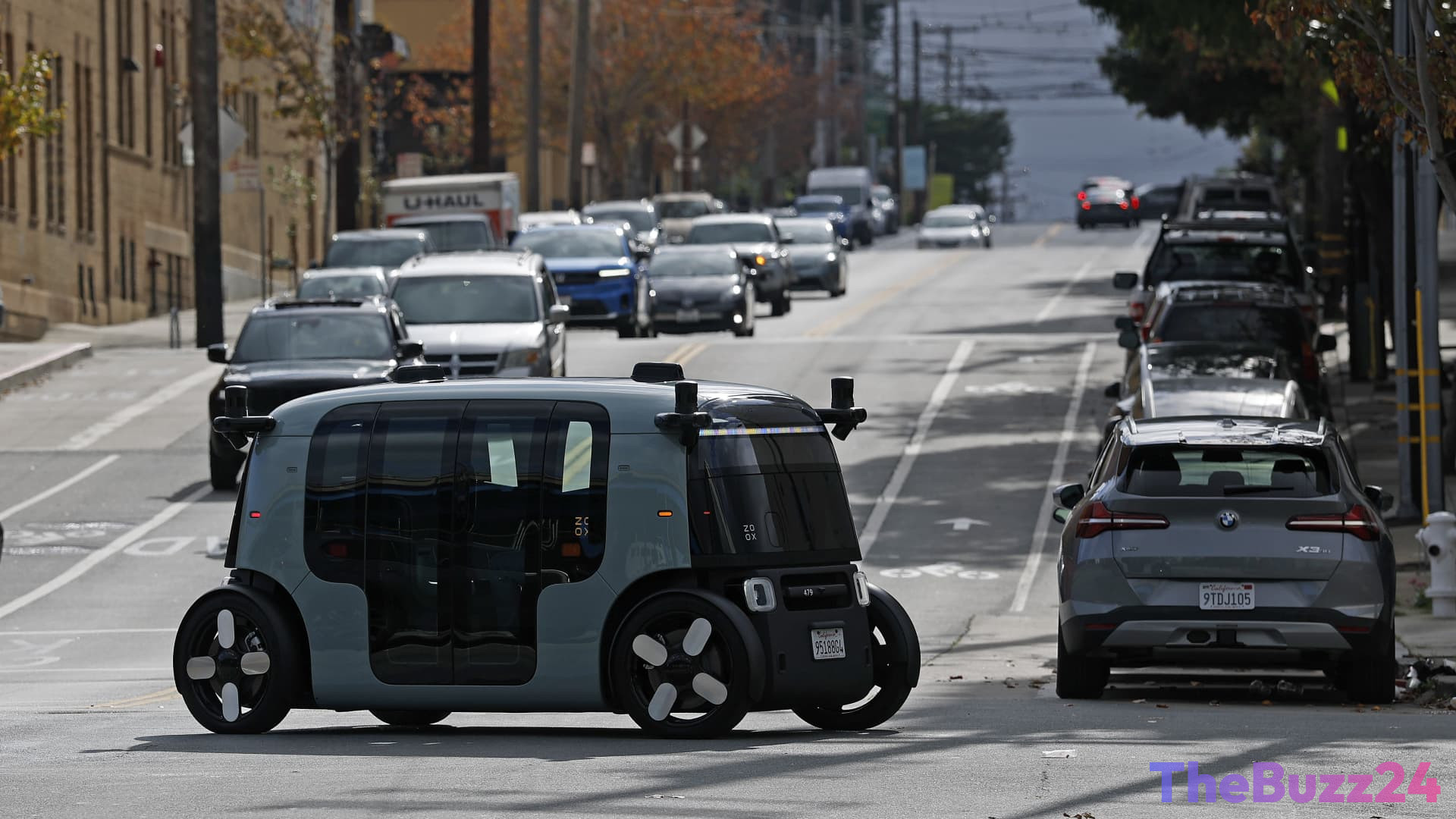
Zoox’s journey to commercialization has presented unique challenges due to its distinctive vehicle design. Unlike competitors such as Alphabet’s Waymo, which often utilizes retrofitted cars equipped with traditional steering wheels and brakes, Zoox operates purpose-built, ‘toaster-shaped’ shuttles that completely lack conventional driver controls. This design necessitates adherence to a different set of federal motor vehicle safety standards. NHTSA has acknowledged this evolving landscape, recently proposing updates to its standards that would remove requirements for driverless cars to include steering wheels and manual brake pedals.
Despite this progress, the autonomous vehicle industry, including Zoox, faces ongoing scrutiny regarding safety and interaction with emergency services. NHTSA Administrator Jonathan Morrison recently highlighted a pattern of driverless AVs interfering with first responders, citing instances of vehicles entering active emergency scenes or obstructing emergency personnel. In response, Zoox recalled 105 of its robotaxis to address a software issue related to the detection of heavy smoke, following an incident last month where one of its vehicles drove into an active fire scene in Las Vegas.
Key Takeaways
- Amazon-owned Zoox has received a temporary exemption from NHTSA, allowing it to begin charging for its robotaxi services.
- The initial commercial launch for paid rides will take place in Las Vegas, with plans for expansion into other markets.
- Zoox's unique purpose-built, driverless vehicles face distinct regulatory challenges, and the company recently recalled vehicles for a software issue related to emergency scene detection.
Editor’s Analysis & Impact
The NHTSA exemption for Zoox represents a significant leap forward for the autonomous vehicle industry, particularly for companies developing purpose-built robotaxis. This move validates Zoox’s innovative design approach and intensifies competition within the burgeoning robotaxi market, currently dominated by players like Waymo. The ability to charge for rides in a major tourist hub like Las Vegas could accelerate public acceptance and adoption of autonomous ride-hailing services.
However, the industry’s future outlook remains closely tied to regulatory evolution and public trust. NHTSA’s ongoing concerns about AVs interfering with first responders, coupled with Zoox’s recent recall and incident, underscore the critical need for robust safety protocols and seamless integration with urban infrastructure. Continued focus on addressing these challenges will be paramount for widespread commercial success and the long-term viability of autonomous transportation.
Frequently Asked Questions
Q: What does the NHTSA exemption mean for Zoox?
A: The temporary exemption from the National Highway Traffic Safety Administration allows Zoox to operate up to 2,500 robotaxis annually for two years and, crucially, to begin charging fares for its ride-hailing service, starting in Las Vegas.
Q: How does Zoox's robotaxi design differ from competitors like Waymo?
A: Unlike Waymo, which often uses retrofitted standard vehicles, Zoox employs purpose-built, 'toaster-shaped' shuttles that completely lack traditional driver controls like steering wheels and pedals, subjecting them to different federal safety standards.
Q: What recent safety concerns has Zoox addressed?
A: Zoox recently recalled 105 of its robotaxis due to a software issue where the vehicles failed to properly detect heavy smoke. This followed an incident where one of its robotaxis drove into an active emergency fire scene in Las Vegas, highlighting the ongoing need for advanced detection and response capabilities.
AI Disclosure: This article is based on verified data and official reports. Our Team and AI have cross-referenced every financial detail with primary sources to ensure total accuracy.
More from this Category