Stellantis Swings to Profit Driven by North American Demand Amid Tariff Challenges
Global automotive manufacturer Stellantis has returned to profitability in the second quarter, buoyed by rebounding consumer demand across North America. The automotive conglomerate—whose brand portfolio includes Jeep, Chrysler, Dodge, Fiat, and Peugeot—posted a net profit of 293 million euros ($335.3 million), marking a substantial turnaround from a net loss of 1.87 billion euros recorded during the same period last year.
Operational metrics demonstrated strong momentum, with adjusted operating income more than tripling to 773 million euros compared to 213 million euros a year earlier. Furthermore, industrial free cash flow reached 1 billion euros for the period, reflecting improved cash generation. Despite these operational gains, earnings fell slightly below broader market expectations, maintaining the group’s adjusted operating margin at a thin 1.8%. Consequently, shares traded lower in European and American markets as investors evaluated the pace of recovery.
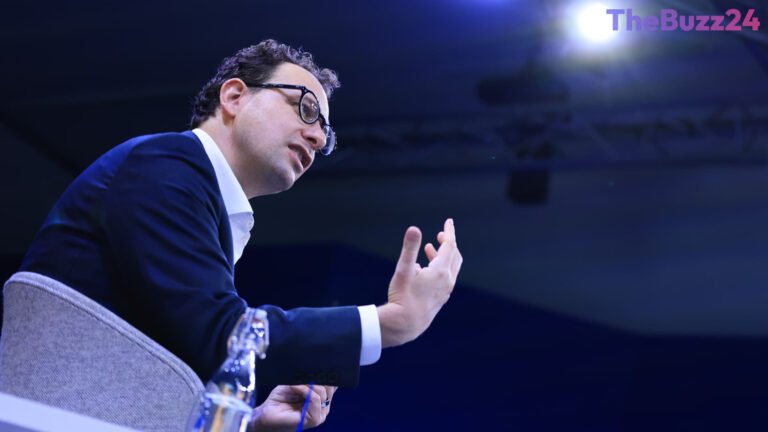
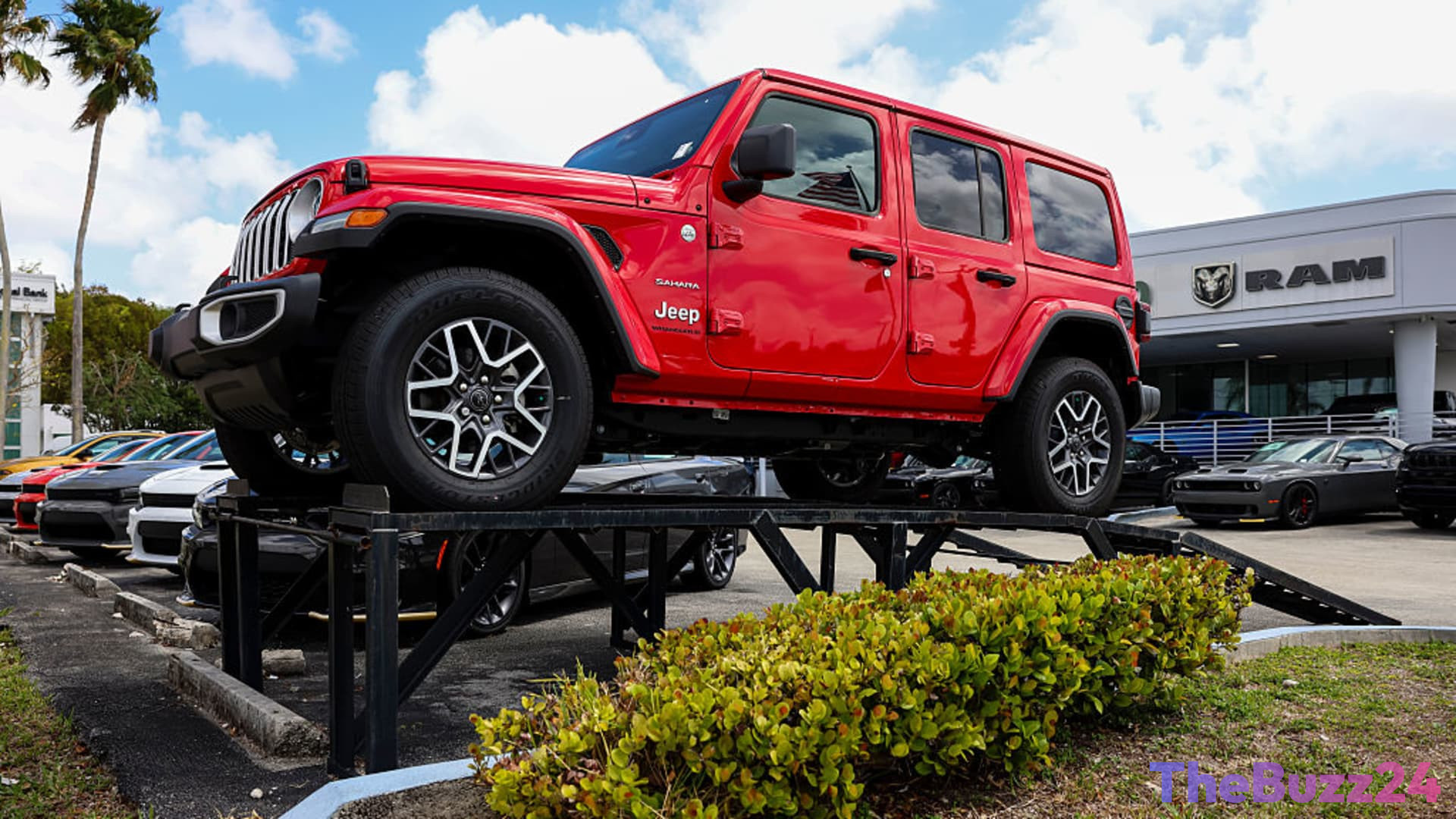
Chief Executive Officer Antonio Filosa emphasized that the group’s corporate restructuring initiative, known as the FaSTLAne 2030 strategy, is making measurable progress despite significant industry headwinds. A major friction point remains international trade costs, with rising tariffs projected to add approximately 1 billion euros in expense this year. To mitigate these impacts, Stellantis is recalibrating product offerings on key vehicles such as the Mexico-built Jeep Cherokee SUV, prioritizing production of high-margin trim options over lower-margin models.
While price restructuring and new model rollouts have helped reignate sales in core markets, executive leadership acknowledged that long-term recovery will require continuous operational efficiency. Management remains focused on balancing overall sales volumes with sustained profitability as the turnaround strategy unfolds across global operations.
Key Takeaways
- Stellantis achieved a net profit of 293 million euros in Q2, recovering from a 1.87 billion euro loss in the prior year.
- Anticipated annual tariff costs of 1 billion euros are driving strategy changes, including prioritizing high-margin vehicle trims.
- Industrial free cash flow surged to 1 billion euros, though operating profit margins remain narrow at 1.8%.
Editor’s Analysis & Impact
Stellantis’ return to profit signals positive initial results for CEO Antonio Filosa’s turnaround agenda, but structural obstacles remain. A thin 1.8% operating margin highlights how vulnerable the automaker is to macroeconomic pressures and rising production costs. The group’s primary operational hurdle lies in navigating geopolitical trade dynamics, where tariffs threaten to strip 1 billion euros from bottom-line profits. Restricting product mixes to higher-tier vehicle trims offers short-term margin protection for models like the Jeep Cherokee, but long-term success requires deeper cost discipline and localized supply chains. Investors will likely seek consistent margin expansion across multiple quarters before fully pricing in a complete corporate recovery.
Frequently Asked Questions
Q: What drove Stellantis back to profitability in the second quarter?
A: The turnaround was largely propelled by stronger vehicle demand in North America and operational adjustments implemented under CEO Antonio Filosa's turnaround plan.
Q: How are tariff costs affecting Stellantis' production decisions?
A: With tariffs expected to add 1 billion euros in expenses this year, Stellantis is limiting production on lower-margin model trims, such as entry-level variants of the Jeep Cherokee, to focus on higher-profit inventory.
Q: How did investors react to the Q2 financial results?
A: Despite returning to profit, Stellantis shares experienced declines as operating profit margins remained low at 1.8% and total adjusted operating income fell short of top market forecasts.
AI Disclosure: This article is based on verified data and official reports. Our Team and AI have cross-referenced every financial detail with primary sources to ensure total accuracy.
More from this Category