AMD Shares Rally as AI Infrastructure Demand Fuels Record Financial Performance
Advanced Micro Devices (AMD) experienced a significant boost in market valuation, with shares climbing 15% in extended trading following a robust first-quarter earnings report. The semiconductor giant outperformed Wall Street expectations, posting $10.25 billion in revenue against a projected $9.89 billion. Adjusted earnings per share also exceeded forecasts, landing at $1.37 compared to the anticipated $1.29. This financial momentum was primarily driven by a 57% increase in data center revenue, which totaled $5.8 billion for the quarter.
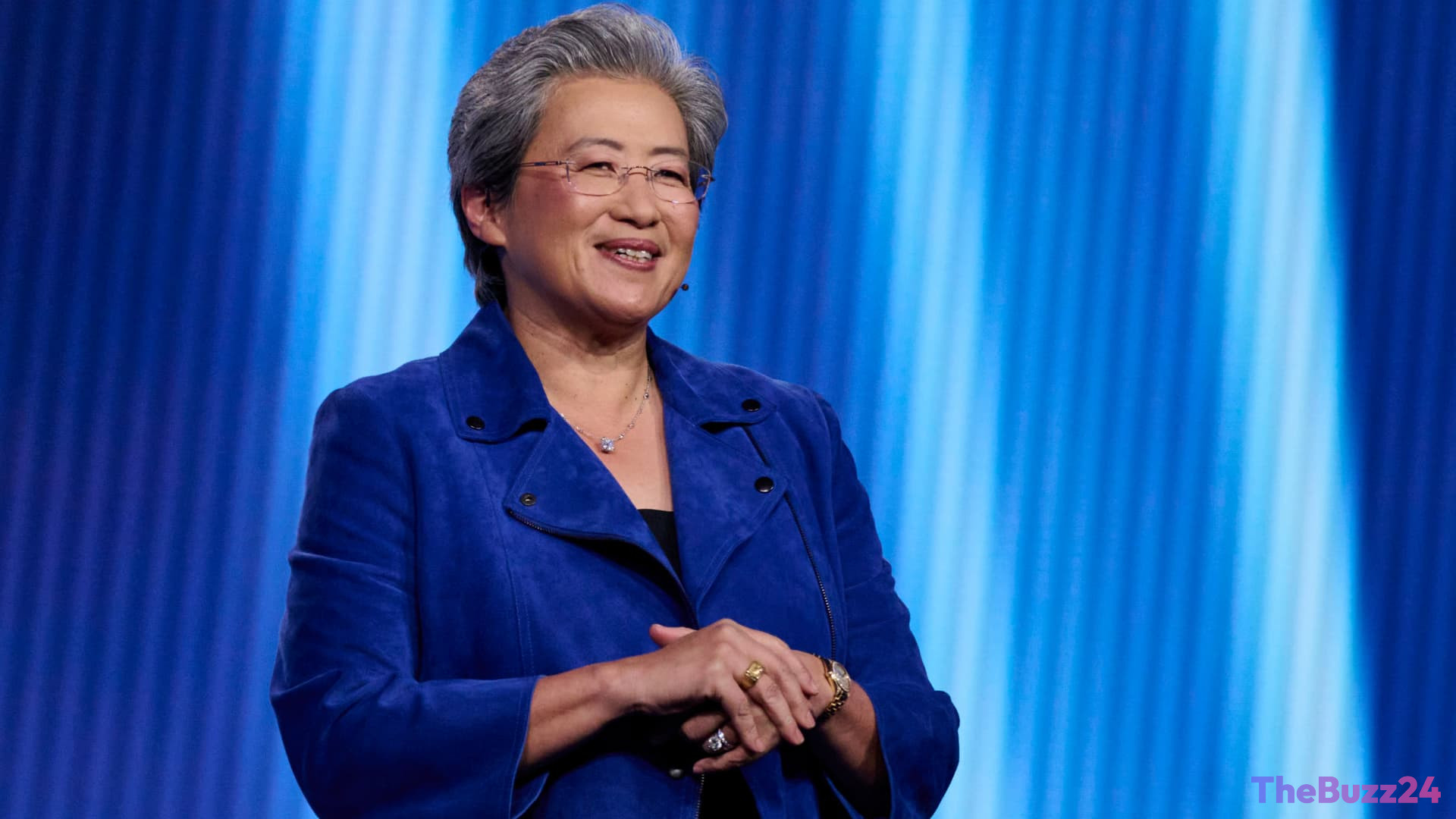
CEO Lisa Su highlighted the data center segment as the core driver of the company’s current expansion. Looking toward the second quarter, AMD issued a bullish revenue forecast of $11.2 billion, a figure that comfortably surpasses current market consensus. The company remains focused on scaling its server production capabilities to satisfy the rapidly growing demand for AI-optimized hardware, signaling a long-term commitment to capturing a larger share of the artificial intelligence infrastructure market.
To further solidify its competitive standing, AMD is preparing to launch its Helios rack-scale system. This new hardware is specifically engineered to challenge existing high-end solutions in the industry and has already attracted interest from major technology players, including Meta and OpenAI. By leveraging its combined expertise in both CPU and GPU architectures, AMD is positioning itself as a foundational supplier for the world’s most significant AI development projects.
Despite ongoing global supply chain hurdles and manufacturing complexities, AMD’s strategic pivot toward AI-ready hardware has yielded impressive results. The company’s stock has more than tripled over the last year, reflecting strong investor sentiment regarding its ability to navigate the semiconductor landscape and maintain its growth trajectory amidst the broader artificial intelligence boom.
Key Takeaways
- AMD reported Q1 revenue of $10.25 billion, beating analyst expectations of $9.89 billion.
- Data center sales surged 57% to $5.8 billion, serving as the primary catalyst for the company's growth.
- The upcoming launch of the Helios rack-scale system has already garnered interest from major AI developers like Meta and OpenAI.
Editor’s Analysis & Impact
AMD’s latest performance underscores a critical shift in the semiconductor industry, where the ‘AI arms race’ is creating a massive, sustained demand for high-performance computing hardware. By successfully diversifying its portfolio to include both powerful CPUs and specialized AI GPUs, AMD is effectively challenging the market dominance of established incumbents. The company’s ability to secure partnerships with industry titans like Meta and OpenAI suggests that its hardware is becoming a standard component in the infrastructure powering generative AI. Moving forward, the primary challenge for AMD will be managing supply chain constraints to meet its aggressive production targets. If the company can maintain its current pace of innovation and delivery, it is well-positioned to remain a primary beneficiary of the multi-year capital expenditure cycle currently being driven by global AI adoption.
Frequently Asked Questions
Q: What was the primary driver of AMD's recent financial growth?
A: The primary driver was a 57% surge in data center sales, which reached $5.8 billion for the quarter.
Q: What is the Helios rack-scale system?
A: Helios is an upcoming rack-scale system from AMD designed to compete with high-end AI infrastructure offerings and has already attracted interest from major companies like Meta and OpenAI.
AI Disclosure: This article is based on verified data and official reports. Our Team and AI have cross-referenced every financial detail with primary sources to ensure total accuracy.
More from this Category