American Airlines Expands Global Reach with New International Routes on Advanced A321XLR Jets
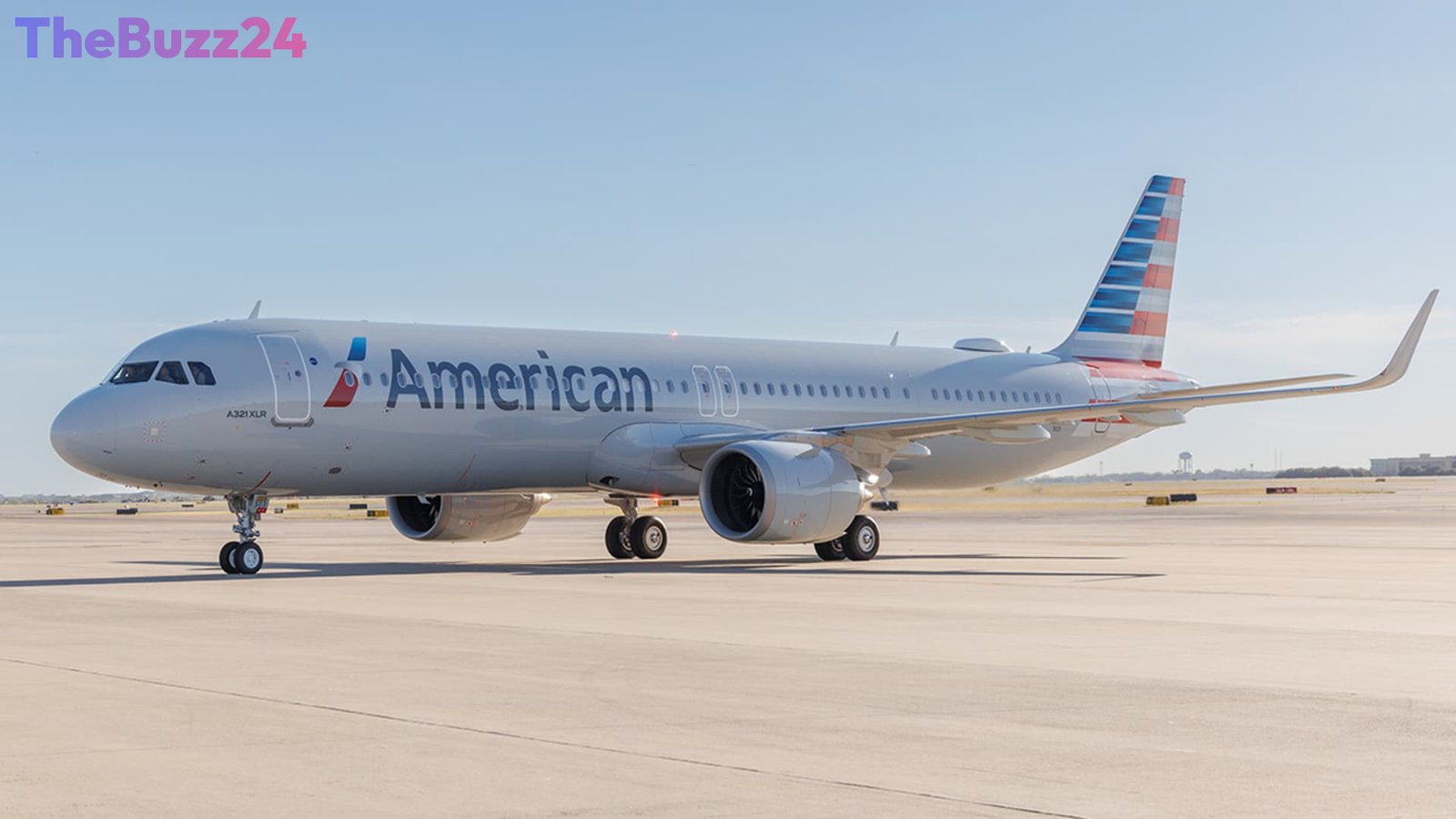
American Airlines is set to significantly expand its international network, announcing seven new routes scheduled to launch in 2027. A key feature of this expansion is the strategic deployment of its Airbus A321XLR (Extra Long Range) aircraft, which are enabling the carrier to connect to smaller European cities from its hubs in Philadelphia and New York City.
The newly added international destinations include a flight from Charlotte, North Carolina, to Barcelona, Spain, commencing May 27, 2027, utilizing a Boeing 777-200ER. Additionally, a route from Chicago O’Hare to Tokyo Narita will begin on March 19, 2027, operated by a Boeing 787-9. The airline is also introducing direct flights from New York JFK to Amsterdam starting March 28, 2027, and to Nice, France, on May 6, 2027, both of which will be serviced by the A321XLR.
Further bolstering its European presence, American Airlines will launch services from Philadelphia to Porto, Portugal, on March 28, 2027; to Reykjavik, Iceland, on May 27, 2027, using an A321neo; and to Vienna, Austria, on May 6, 2027, with the A321XLR. The Vienna route is planned to extend into early January 2028, catering to the growing demand for European Christmas market tourism during the off-peak season.
The introduction of the A321XLR, a single-aisle aircraft capable of covering up to 4,700 nautical miles, allows American Airlines to operate more cost-effectively on routes that might not support larger, wide-body aircraft. These planes feature a refreshed interior with a greater proportion of premium seats, enhancing profitability on long-haul journeys. This strategic move comes as American Airlines aims to increase its international flight capacity, which currently represents about 20% of its operations, compared to rivals like United Airlines, which recently also unveiled its own expanded international schedule.
Key Takeaways
- American Airlines is launching seven new international routes for its 2027 schedule.
- The airline will leverage its Airbus A321XLR aircraft for routes to smaller European cities.
- New destinations include Barcelona, Tokyo, Amsterdam, Nice, Porto, Reykjavik, and Vienna, with some flights starting in early 2027.
Editor’s Analysis & Impact
American Airlines’ strategic expansion into secondary European markets with the A321XLR signifies a calculated move to capture underserved demand and enhance profitability. By utilizing these efficient, long-range narrow-body jets, the carrier can open new routes without the high operational costs associated with traditional wide-body aircraft. This approach not only diversifies their network but also allows for a greater focus on premium cabin revenue. The timing, coinciding with competitor announcements and targeting off-peak travel, suggests a sophisticated strategy to optimize capacity and yield in the competitive international travel landscape, potentially closing the gap with rivals like United and Delta.
Frequently Asked Questions
Q: What is the significance of the Airbus A321XLR for American Airlines?
A: The Airbus A321XLR is crucial for American Airlines' international expansion because its extra-long range capability (up to 4,700 nautical miles) allows the airline to serve smaller European cities profitably, which might not be viable for larger, less efficient wide-body aircraft. It also offers a more cost-effective operation.
Q: When do these new international routes start operating?
A: The new routes are scheduled to begin in early 2027, with specific start dates varying by route. For example, the Chicago to Tokyo flight begins March 19, 2027, while the Charlotte to Barcelona flight starts May 27, 2027. The Vienna route is extended through early January 2028.
Q: How does this expansion compare to competitors?
A: American Airlines' announcement comes in the same week that rival United Airlines, a leader in U.S. international travel, also revealed its 2027 international destinations. This highlights an ongoing competitive push among major U.S. carriers to expand their global networks and capture market share.
AI Disclosure: This article is based on verified data and official reports. Our Team and AI have cross-referenced every financial detail with primary sources to ensure total accuracy.
More from this Category