The Squishy Toy Phenomenon: Why These Tactile Gadgets Are Dominating Retail
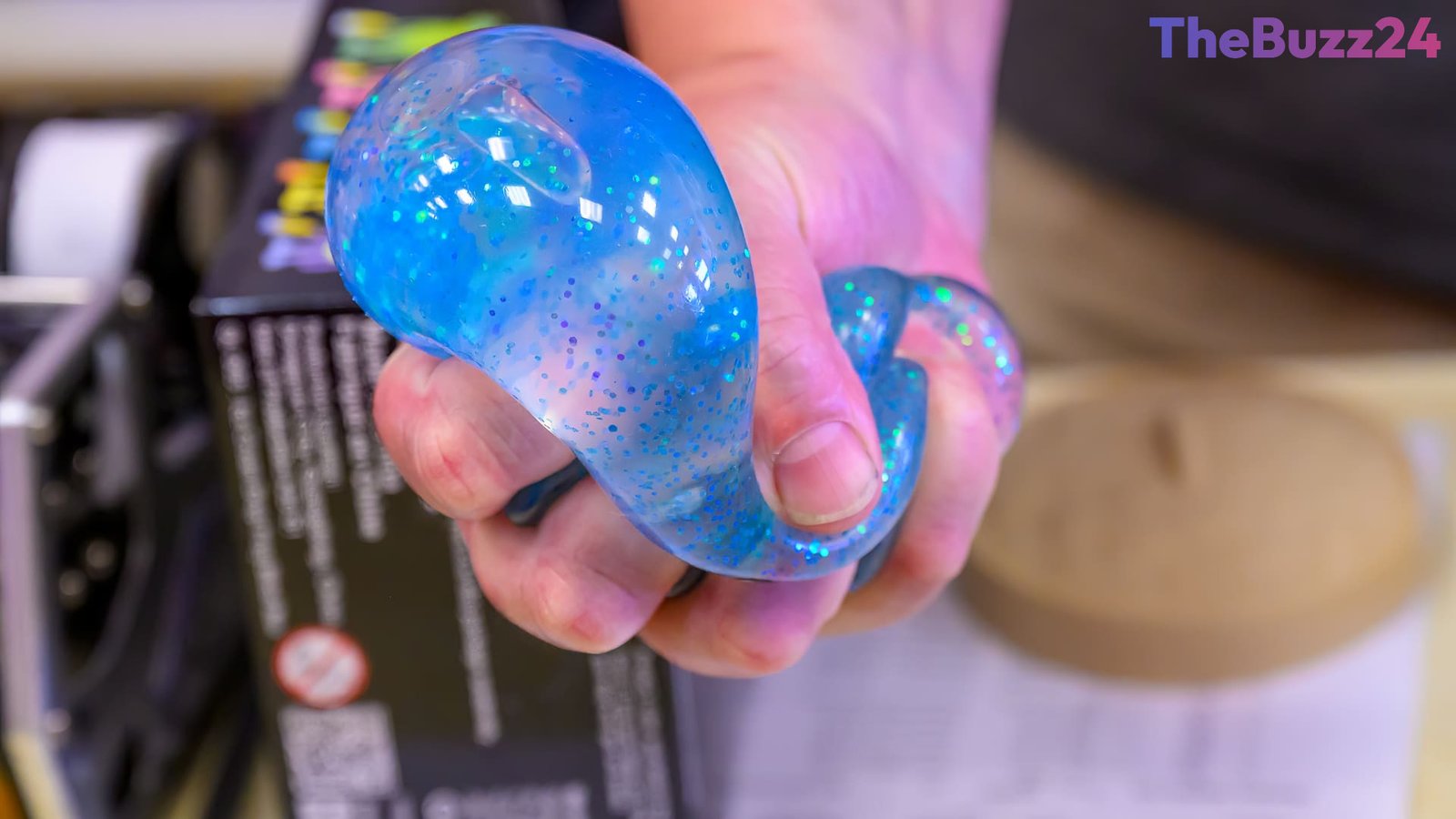
The toy industry is currently experiencing a massive surge in the popularity of squishy toys, with sales in the United States quadrupling to approximately $297 million during the first half of the year. Products such as the NeeDoh line, manufactured by Massachusetts-based Schylling, have become cultural staples, transforming from niche novelty items into widespread viral sensations. This growth is reflected in unit sales, which have climbed nearly 200%, reaching 58.6 million units in the same six-month period.
Social media platforms have been the primary engine behind this trend, with TikTok Shop playing a significant role in converting digital attention into physical sales. The accessibility of these items, combined with their affordable price points, makes them ideal for impulse purchases. Industry experts note that the appeal of these toys extends beyond simple play; they are increasingly sought after for their sensory and emotional benefits, providing a tactile outlet for stress relief in an era of digital fatigue and economic uncertainty.
The trend has transcended borders, with significant growth reported in Southeast Asian markets. Distributors in regions like Singapore, Malaysia, and Brunei have seen inquiries for these products rise nearly 20-fold compared to the previous year. While the majority of purchasers are parents buying for children aged 7 to 12, a notable segment of the market consists of adults purchasing these items for their own personal use, highlighting the broad demographic appeal of sensory-focused play.
As the market matures, analysts suggest that while the current viral hype may eventually subside—much like the fidget spinner craze of the past—the underlying demand for sensory and mindful play is likely to persist. Consumers continue to prioritize products that offer simple, tangible ways to disconnect from the pressures of daily life, ensuring that the category remains a relevant fixture in the retail landscape for the foreseeable future.
Key Takeaways
- U.S. squishy toy sales reached $297 million in the first half of the year, a 400% increase compared to the previous year.
- Social media platforms, particularly TikTok, have been the primary drivers of the trend, turning affordable sensory toys into viral hits.
- The market is shifting from viewing these items as mere novelties to recognizing their value as tools for stress relief and emotional regulation.
Editor’s Analysis & Impact
The rapid ascent of the squishy toy market serves as a case study in modern retail dynamics, where social media virality can instantly scale a product category. The success of brands like NeeDoh highlights a broader consumer pivot toward ‘tactile wellness’—a response to the pervasive digital overload of the 21st century. From a market perspective, the low barrier to entry and high impulse-buy potential make these products highly resilient during periods of economic uncertainty. While the ‘hype cycle’ suggests a potential cooling-off period, the integration of these toys into the self-care and stress-relief market provides a more sustainable long-term foundation than traditional novelty fads. Future growth will likely depend on how manufacturers balance mass-market accessibility with the evolving demand for high-quality, sensory-focused experiences.
Frequently Asked Questions
Q: Who is the primary demographic for squishy toys?
A: While children aged 7 to 12 are the largest group of recipients, data shows that nearly 20% of purchasers are adults buying the items for themselves, indicating a strong appeal across all age groups.
Q: Why are squishy toys becoming so popular now?
A: Their popularity is driven by a combination of social media visibility, affordability, and a growing consumer desire for sensory-based stress relief in an increasingly digital world.
AI Disclosure: This article is based on verified data and official reports. Our Team and AI have cross-referenced every financial detail with primary sources to ensure total accuracy.
More from this Category