American Airlines Targets Multi-Billion Dollar Profit Gap with Premium Overhaul
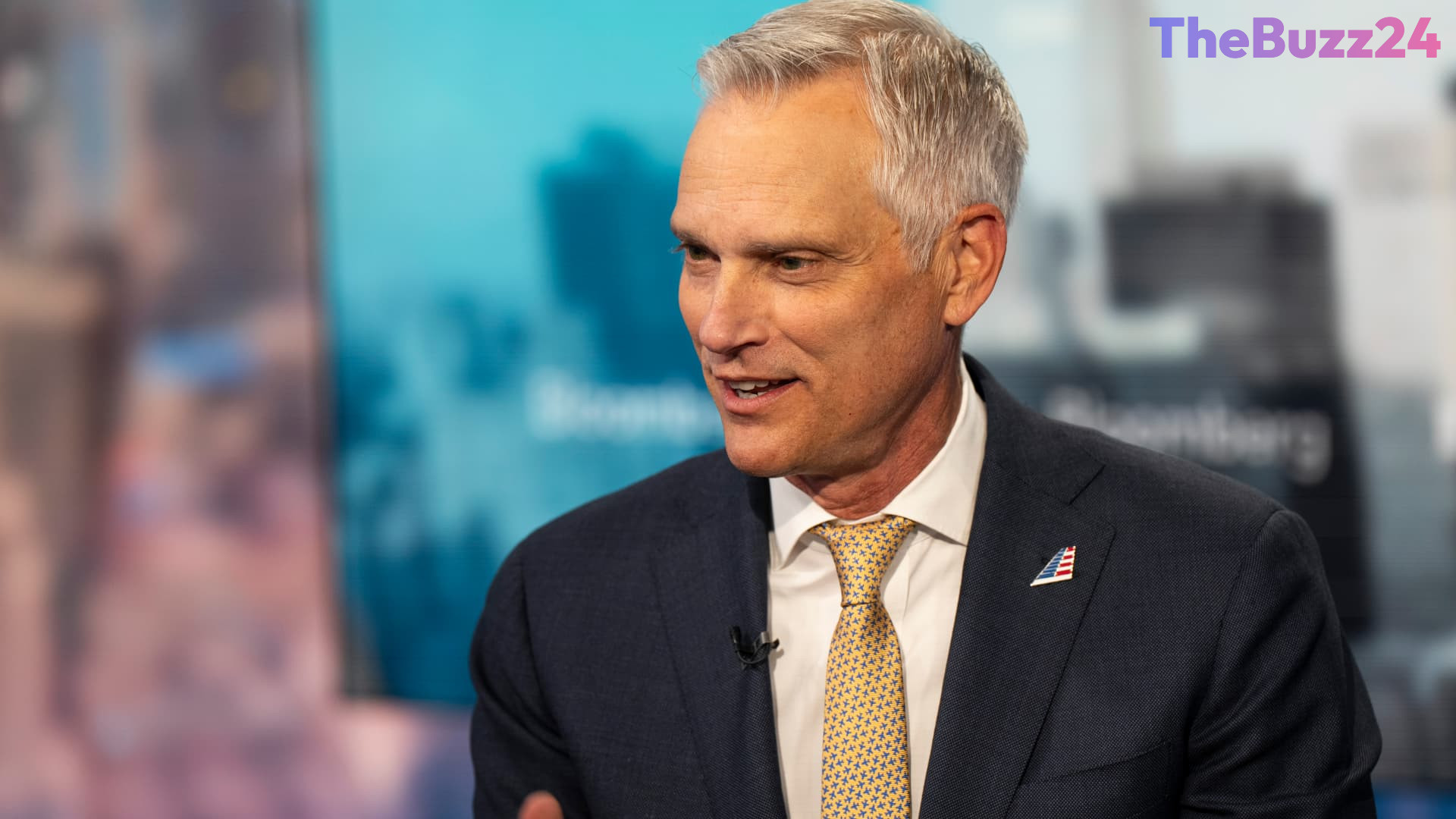
American Airlines is embarking on a strategic transformation aimed at closing a significant profit margin gap that has left it trailing behind major competitors United and Delta. Despite operating one of the largest flight networks in the industry, the carrier has faced financial headwinds, with rivals generating billions more in annual profit. CEO Robert Isom is spearheading a comprehensive plan to modernize the airline’s offerings, focusing on high-spending travelers to drive revenue growth.
The core of this strategy involves a major investment in the passenger experience. American is currently remodeling its fleet cabins, introducing more luxurious seating, and expanding its network of airport lounges. A centerpiece of this effort is the construction of a massive 37,000-square-foot Admirals Club at Dallas Fort Worth International Airport. Furthermore, the airline is actively evaluating a new wide-body aircraft order from Boeing or Airbus to replace aging long-haul jets and better compete for premium international traffic.
Operational reliability remains a critical focus as the airline seeks to improve its punctuality rankings. By leveraging artificial intelligence for maintenance scheduling and optimizing flight paths, management aims to reduce delays and improve consistency. While the company continues to manage a substantial debt load, analysts remain optimistic, forecasting significant earnings growth over the next few years as these premium-focused initiatives take hold.
Despite industry speculation regarding potential mergers, leadership has dismissed the possibility of combining with competitors, citing regulatory and practical hurdles. Instead, the focus remains on internal growth, loyalty program expansion, and winning market share in key competitive hubs. As the airline updates its fleet and service standards, the ultimate test will be its ability to shift brand perception and successfully convert more passengers into premium-tier customers.
Key Takeaways
- American Airlines is aggressively targeting a multi-billion dollar profit gap by pivoting toward premium services and luxury cabin upgrades.
- The carrier plans to invest in new wide-body aircraft and expand its lounge footprint, specifically at its Dallas Fort Worth hub, to attract high-spending travelers.
- Management has officially ruled out merger possibilities with rivals, choosing instead to focus on internal operational efficiency and debt reduction.
Editor’s Analysis & Impact
The aviation industry is currently defined by a ‘premium-first’ arms race. American Airlines’ attempt to close the margin gap with Delta and United is a classic case of a legacy carrier trying to pivot its brand identity toward the high-yield traveler. The challenge is twofold: operational execution and market perception. While the airline has mastered the logistics of a massive network, it has historically struggled to capture the same premium revenue as its peers. The success of this strategy depends on whether the ‘premium’ upgrades—such as new business suites and expanded lounges—can overcome the inertia of established customer loyalty to competitors. If American successfully executes this transition, it could see a significant valuation boost; however, failure to differentiate its service levels could leave it trapped in a cycle of high capital expenditure without the corresponding revenue growth.
Frequently Asked Questions
Q: Why is American Airlines focusing on premium cabins?
A: The airline is targeting higher-spending travelers to close a multi-billion dollar profit gap compared to competitors like Delta and United, who have historically captured more premium revenue.
Q: Is American Airlines planning to merge with another carrier?
A: No, CEO Robert Isom has stated that the company is not pursuing mergers, noting that such deals are unlikely to pass regulatory scrutiny and that the airline is focused on internal growth.
AI Disclosure: This article is based on verified data and official reports. Our Team and AI have cross-referenced every financial detail with primary sources to ensure total accuracy.
More from this Category