Anak Krakatau Eruption Triggers Major Air Travel Disruptions Across Indonesia
The Anak Krakatau volcano, situated between the Indonesian islands of Java and Sumatra, experienced a significant eruptive event in early September 2026. The eruption, which lasted for over 24 hours, propelled massive plumes of volcanic ash and gas into the upper atmosphere, creating hazardous conditions that necessitated the temporary closure of eight major airports across the region. The resulting airspace restrictions led to the disruption of nearly 3,000 flights, leaving thousands of travelers stranded as authorities prioritized safety.
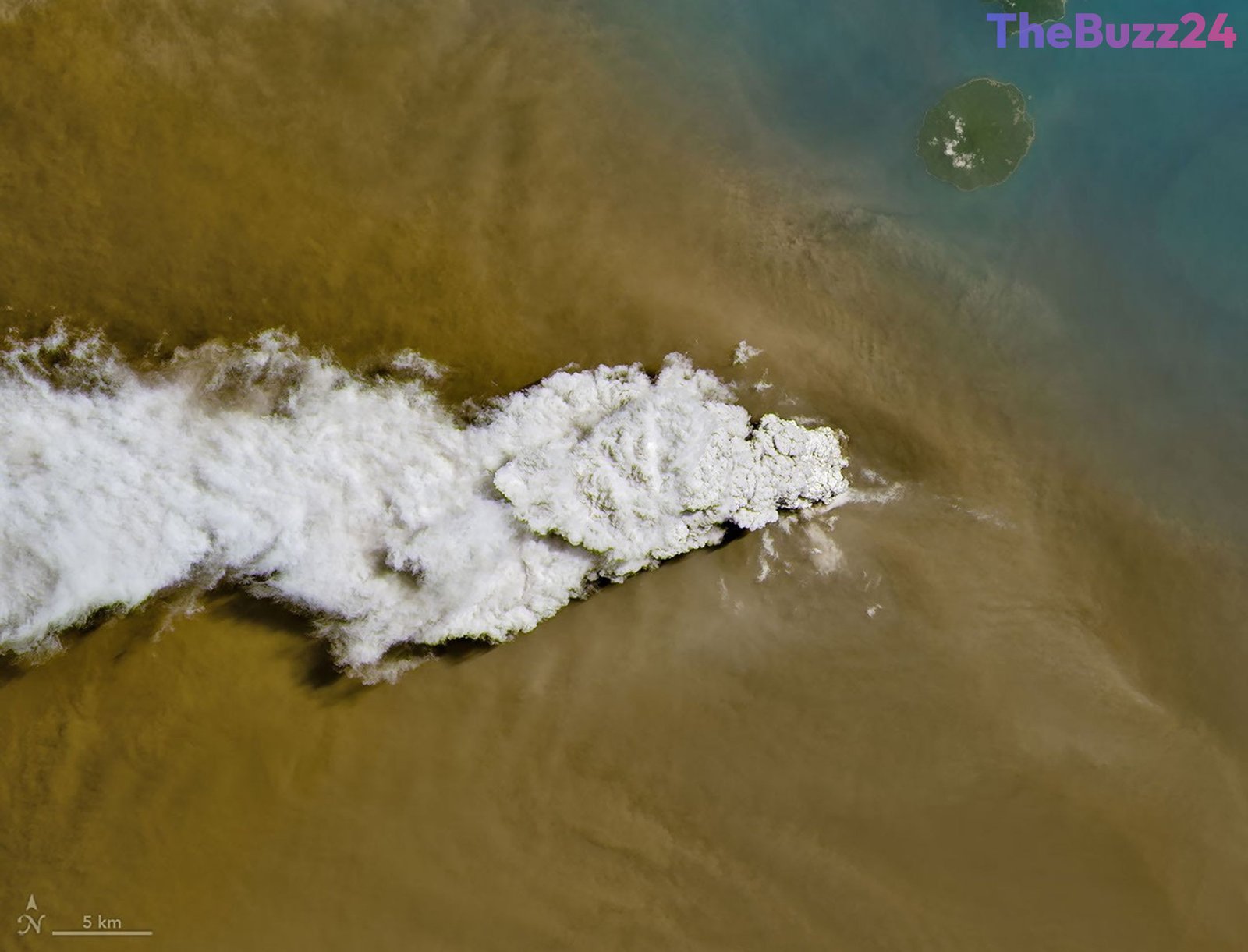
Satellite imagery captured by the Landsat 8 and Suomi NPP platforms provided a clear view of the event, documenting ash plumes reaching altitudes of up to 15,000 meters. The dispersal of these materials significantly degraded air quality in populated areas, including the capital city of Jakarta. Local humanitarian agencies issued warnings regarding the health risks associated with volcanic ash, which can cause severe irritation to the respiratory system, eyes, and skin, distinct from the hazards typically associated with regional peatland fires.
By September 6, the intensity of the explosive activity began to subside, transitioning back to a more routine pattern of Strombolian eruptions. While airport operations were permitted to resume by September 8, the volcano remains under close observation. Authorities have maintained the alert status at the second-highest level, a designation that has been in place since early July, reflecting the ongoing volatility of this active geological site.
Key Takeaways
- A 24-hour eruption at Anak Krakatau in September 2026 forced the closure of eight Indonesian airports and disrupted nearly 3,000 flights.
- Volcanic ash reached altitudes of 50,000 feet, causing significant air quality concerns for residents in Jakarta and West Java.
- Although the most intense phase of the eruption has subsided, the volcano remains at a high alert level due to continued seismic instability.
Editor’s Analysis & Impact
The recent eruption of Anak Krakatau highlights the persistent vulnerability of Southeast Asian aviation infrastructure to geological events. Because the Indonesian archipelago sits along the Pacific Ring of Fire, volcanic activity is a constant operational risk for regional transit hubs. The economic impact of such events is substantial, as seen by the thousands of stranded passengers and the logistical strain on regional airlines. From a broader perspective, this incident underscores the critical importance of satellite-based remote sensing in modern disaster management. By providing real-time data on ash plume trajectory and altitude, these technologies allow authorities to make rapid, data-driven decisions that prevent mid-air engine failures and protect public health. Moving forward, the integration of advanced atmospheric modeling will be essential for minimizing the economic fallout of future volcanic events in high-traffic corridors.
Frequently Asked Questions
Q: Why does volcanic ash pose a threat to aviation?
A: Volcanic ash consists of tiny, jagged particles of rock and glass that can melt inside jet engines, causing them to stall or fail, and can also damage cockpit windows and navigation sensors.
Q: Is Anak Krakatau still considered dangerous?
A: Yes, the volcano remains at the second-highest alert level. While the major explosive phase has ended, it continues to exhibit Strombolian activity, meaning it is still prone to sudden, intermittent eruptions.
AI Disclosure: This article is based on verified data and official reports. Our Team and AI have cross-referenced every financial detail with primary sources to ensure total accuracy.
More from this Category