Anthropic Chief Clarifies Stance Amid Industry Debate Over Open-Weight AI Models
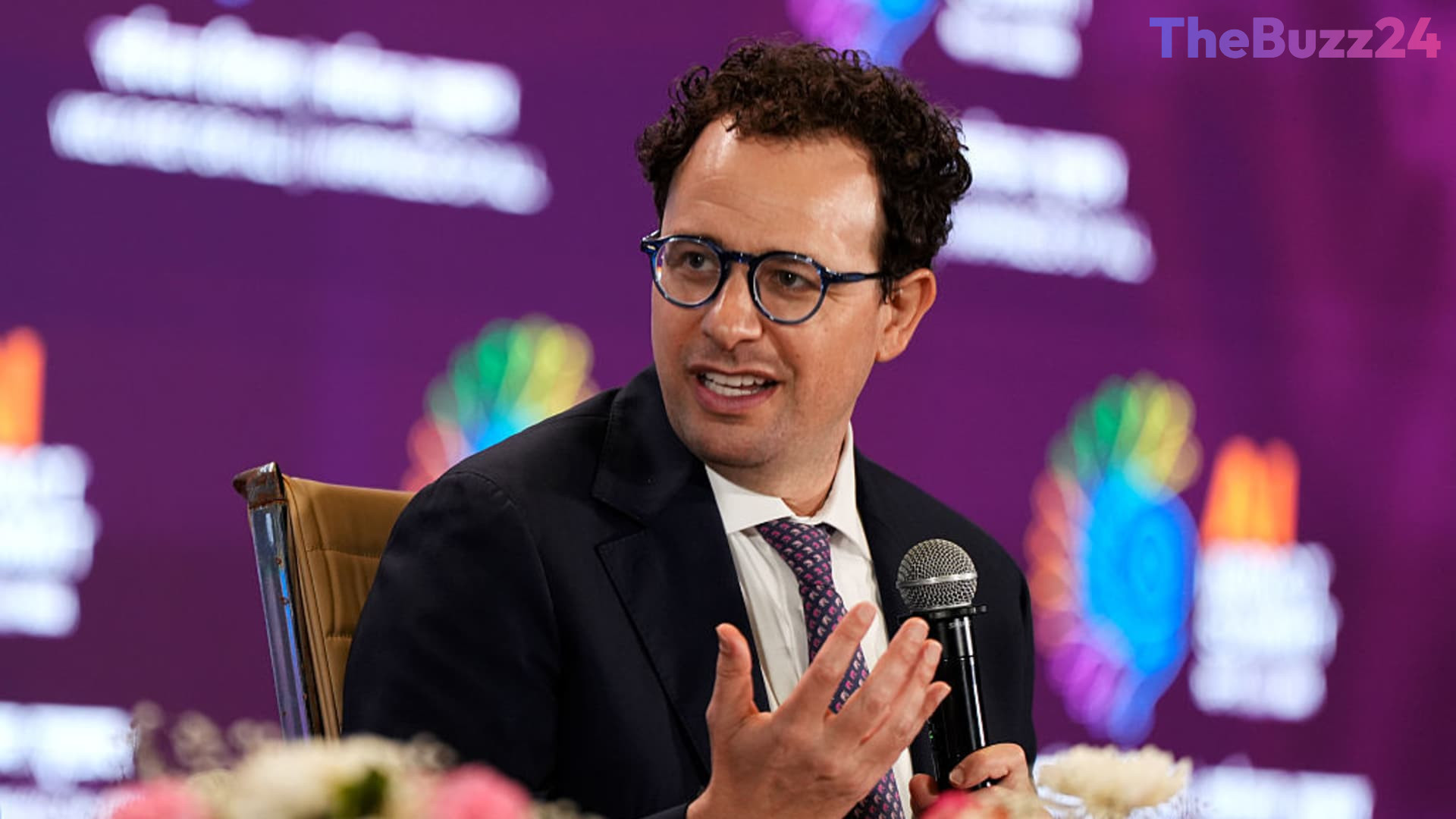
Anthropic Chief Executive Officer Dario Amodei has publicly addressed industry-wide criticisms regarding his artificial intelligence firm’s regulatory stance, clarifying that the company does not seek a ban on open-weight models. The clarification follows a coalition letter issued by several major technology enterprises, which cautioned lawmakers against enforcing early regulatory constraints on systems that allow users to download, adapt, and operate software locally.
The debate has intensified as Chinese startup initiatives increasingly influence the open-weight market, prompting international policymakers to evaluate potential security measures. While competitors such as Microsoft, Meta, Nvidia, Palantir, and OpenAI engaged with the coalition’s policy recommendations, Anthropic remained outside the initial endorsement, leading to speculation regarding its market strategies and competitive intentions.
Rather than pursuing restrictive bans, Amodei emphasized that regulatory focus should center on limiting unauthorized access to advanced semiconductor hardware, preventing large-scale model distillation, and mandating comprehensive safety evaluations for highly capable architectures regardless of their deployment format. Industry analysts note that these discussions highlight ongoing tensions surrounding intellectual property protection, national security, and the future democratization of advanced machine learning technologies.
Key Takeaways
- Anthropic CEO Dario Amodei clarified that his company does not advocate for a ban on open-weight AI models.
- A coalition of major technology firms previously urged policymakers to avoid premature restrictions on downloadable AI systems.
- Anthropic advocates instead for hardware controls, safety testing, and measures against industrial-scale model distillation.
Editor’s Analysis & Impact
The public clarification by Anthropic’s leadership underscores the delicate balance between commercial proprietary models and open-weight accessibility in the current AI landscape. As generative AI becomes central to global technology infrastructure, regulatory debates increasingly focus on national security and intellectual property theft, such as distillation attacks. While closed-model developers seek tighter safeguards around massive computing resources, the open-weight community champions broader access and market competition. This ongoing discourse will likely shape upcoming legislative frameworks, influencing how governments manage innovation, cross-border technology transfers, and the deployment of foundational AI models in both democratic and authoritarian regions.
Frequently Asked Questions
Q: Does Anthropic support a ban on open-weight AI models?
A: No, Anthropic CEO Dario Amodei explicitly stated that his company has never advocated for a ban on open-weight models as a category.
Q: What security measures does Anthropic propose instead of bans?
A: Anthropic suggests focusing on keeping powerful chips out of authoritarian hands, preventing industrial-scale distillation, and requiring safety testing for all capable models.
Q: What is AI model distillation?
A: Distillation is a training method where a smaller, less capable model is developed using the outputs generated by a larger, pre-existing model.
AI Disclosure: This article is based on verified data and official reports. Our Team and AI have cross-referenced every financial detail with primary sources to ensure total accuracy.
More from this Category