Anthropic Reverses Account Suspension of OpenClaw Developer Amid Policy Shift
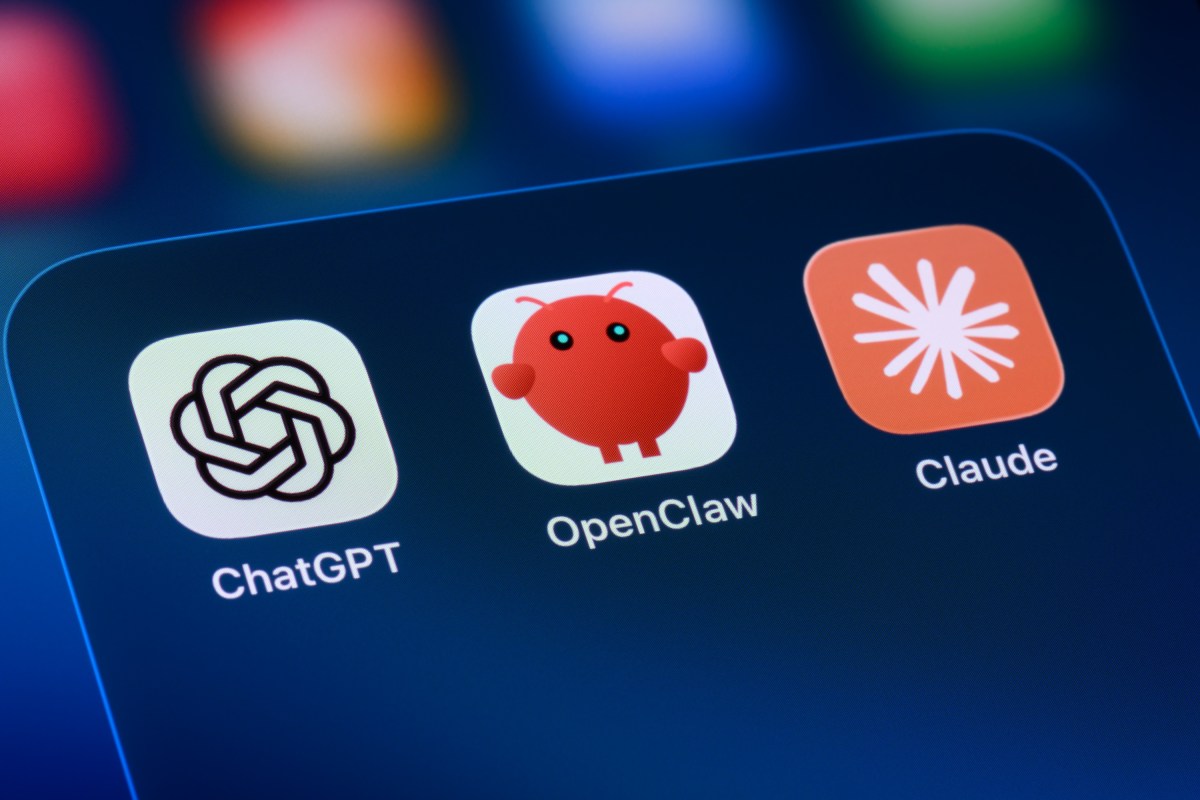
The developer behind the third-party AI interface OpenClaw, Peter Steinberger, recently faced a temporary account suspension from Anthropic, sparking a brief but intense debate regarding the intersection of AI platform policies and third-party tool development. Steinberger, who also holds a position at OpenAI, shared news of the ban on social media, which quickly drew attention due to the competitive landscape of the artificial intelligence industry. The account access was restored within hours of the public disclosure.
An Anthropic engineer addressed the situation publicly, clarifying that the suspension was not a targeted action against OpenClaw users. The incident occurred in the wake of a significant policy update from Anthropic concerning third-party harnesses. Under the new guidelines, standard Claude subscriptions no longer support the integration of tools like OpenClaw. Instead, users are now required to utilize a consumption-based model through the Claude API. Anthropic stated that this shift was necessary because such tools often trigger compute-intensive, continuous reasoning loops that deviate from typical user interaction patterns.
Steinberger has voiced concerns regarding the timing of these changes, questioning whether the policy shift is intended to favor Anthropic’s internal agent, Cowork, over independent, open-source alternatives. Despite the friction, Steinberger maintains that his work on OpenClaw is model-agnostic and intended to ensure compatibility for his user base. As AI providers continue to refine their infrastructure to manage high-demand automated usage, developers are increasingly forced to navigate complex API pricing structures and evolving terms of service.
Key Takeaways
- Anthropic briefly suspended the account of OpenClaw creator Peter Steinberger before restoring access following public scrutiny.
- Anthropic has updated its policy to require a consumption-based API model for third-party tools, moving away from standard subscription coverage.
- The company claims the policy change is necessary to manage compute-intensive, continuous reasoning loops that strain their infrastructure.
Editor’s Analysis & Impact
This incident underscores the growing friction between major AI model providers and the ecosystem of third-party developers building interfaces on top of them. As AI companies like Anthropic scale, they are increasingly focused on protecting their infrastructure from ‘compute-heavy’ automated agents that can lead to unpredictable server loads. However, these restrictions often create barriers for independent developers who rely on these models for their own products. The tension highlights a broader industry trend where platform providers are tightening control over how their models are accessed and monetized. Moving forward, we can expect more rigorous API enforcement and a shift toward usage-based billing, which may consolidate the market toward well-funded developers while potentially alienating the open-source community that has historically driven much of the innovation in the AI space.
Frequently Asked Questions
Q: Why did Anthropic suspend the account of the OpenClaw developer?
A: Anthropic clarified that the suspension was not a targeted ban for using OpenClaw, but rather part of a broader enforcement action following a policy change regarding how third-party tools interact with their platform.
Q: How has Anthropic changed its policy for third-party AI tools?
A: Anthropic now requires users of third-party tools like OpenClaw to transition to a consumption-based model via the Claude API, as standard Claude subscriptions no longer cover the compute-intensive usage patterns associated with these tools.
AI Disclosure: This article is based on verified data and official reports. Our Team and AI have cross-referenced every financial detail with primary sources to ensure total accuracy.
More from this Category