Appeals Court Affirms Fraud Conviction for FTX Founder Sam Bankman-Fried
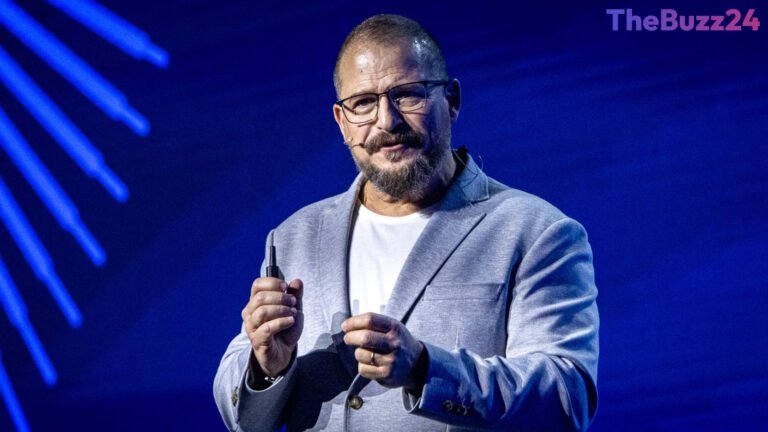
A federal appeals court has officially upheld the fraud conviction of former cryptocurrency mogul Sam Bankman-Fried, dismissing claims that his 2023 trial was procedurally unfair. The 2nd U.S. Circuit Court of Appeals in Manhattan ruled that the government’s case against the FTX co-founder was both robust and well-supported by evidence, effectively maintaining his 25-year prison sentence.
The court’s decision follows a thorough review of the trial proceedings, during which a jury determined that Bankman-Fried orchestrated a massive scheme to defraud customers and investors of billions of dollars. The panel of judges rejected defense arguments that judicial rulings during the trial had improperly limited the scope of evidence the defense could present, affirming that the original trial was conducted appropriately.
In its written opinion, the court highlighted the stark contrast between Bankman-Fried’s public assurances regarding the safety of FTX customer funds and his private actions. The evidence demonstrated that the entrepreneur treated the exchange as a personal treasury, siphoning billions for real estate, political donations, and speculative investments while falsifying business records to mask the illicit activity. The collapse of FTX in November 2022 left creditors, including customers and lenders, facing losses exceeding $11 billion.
This ruling marks a definitive chapter in the downfall of a figure who once stood at the center of the global cryptocurrency industry. Following his meteoric rise and subsequent legal battle, the court’s decision reinforces the severity of the charges brought against him, including fraud and conspiracy. The sentencing judge had previously noted that Bankman-Fried’s testimony during the trial was frequently evasive and characterized by perjury, further cementing the justification for his lengthy incarceration.
Key Takeaways
- The 2nd U.S. Circuit Court of Appeals rejected Sam Bankman-Fried's appeal, upholding his fraud conviction and 25-year prison sentence.
- The court found overwhelming evidence that Bankman-Fried misappropriated billions in customer funds for personal use while misleading regulators and the public.
- The ruling dismisses defense claims of an unfair trial, confirming that the original proceedings were legally sound.
Editor’s Analysis & Impact
The affirmation of Sam Bankman-Fried’s conviction serves as a landmark moment for the cryptocurrency sector, signaling a shift toward more rigorous regulatory oversight and legal accountability. By upholding the conviction, the judiciary has sent a clear message that the ‘move fast and break things’ ethos often associated with tech startups does not exempt founders from fundamental financial laws. This outcome is likely to embolden regulators to pursue similar cases of corporate malfeasance within the digital asset space. For the industry, the long-term implication is a forced maturation; as legal precedents solidify, crypto exchanges will face increased pressure to implement transparent governance and robust auditing practices to regain institutional trust. The case effectively closes a chapter of unchecked growth, setting a high bar for accountability that will influence future legal challenges in the fintech and blockchain ecosystems.
Frequently Asked Questions
Q: What was the primary reason for the appeals court's decision?
A: The court ruled that the government's evidence was robust and that the original trial was conducted fairly, rejecting the defense's claims that judicial rulings had unfairly restricted their case.
Q: How much money did customers and investors lose in the FTX collapse?
A: The collapse of FTX resulted in losses of approximately $8 billion for customers, $1.7 billion for investors, and $1.3 billion for lenders, totaling over $11 billion.
AI Disclosure: This article is based on verified data and official reports. Our Team and AI have cross-referenced every financial detail with primary sources to ensure total accuracy.
More from this Category