SpaceX’s Historic IPO Triggers Index War as S&P 500 Enforces Strict Waiting Period
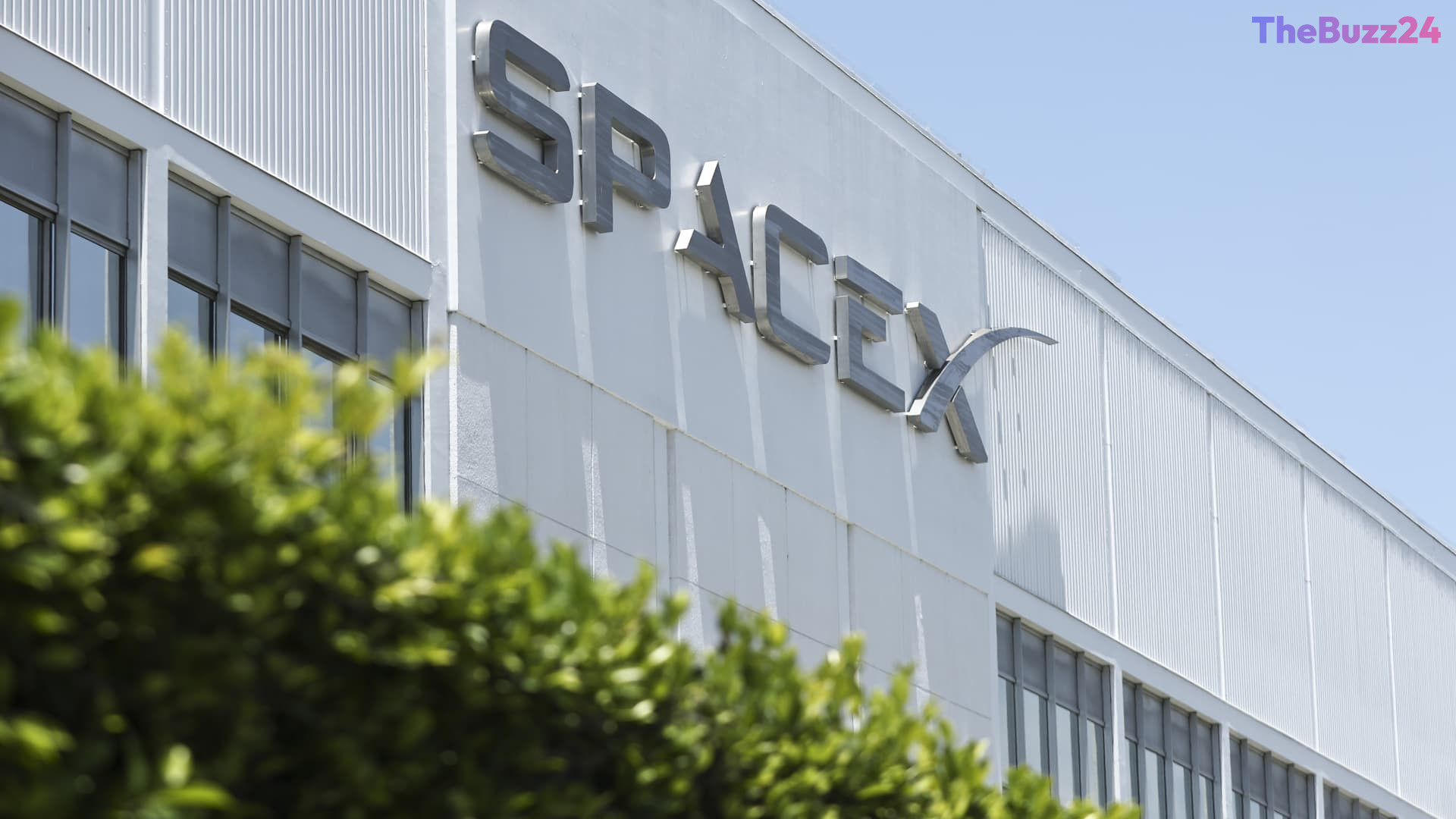
SpaceX has officially made its highly anticipated public debut on the Nasdaq, launching with an initial valuation of approximately $1.77 trillion before quickly climbing past the $2 trillion mark. Despite the historic scale of this market entry, passive investors holding traditional S&P 500 index funds will not see the aerospace giant in their portfolios anytime soon. The S&P 500 index committee has decided to uphold its standard 12-month waiting period for newly public companies, diverging sharply from rival benchmarks like the Nasdaq and Russell indexes, which adjusted their rules to fast-track the mega-cap stock.
This decision means that popular retirement vehicles, such as Vanguard’s and BlackRock’s massive S&P 500 ETFs, will be locked out of SpaceX exposure until at least mid-2027. Beyond the mandatory one-year waiting period, the S&P 500 also enforces a strict profitability test. Because SpaceX reported a net loss of $4.28 billion in its latest quarter, meeting these financial requirements could prolong its exclusion even further. Market analysts suggest this conservative stance sets a rigid precedent for other highly valued, cash-burning tech firms preparing for public debuts, such as OpenAI and Anthropic.
The divergence among major index providers is expected to spark what some analysts call an “index war,” potentially causing significant performance gaps between the S&P 500 and tech-heavy benchmarks that immediately embrace these new giants. For investors unwilling to wait years for S&P 500 inclusion, alternative routes are emerging. Several thematic space and technology ETFs that held pre-IPO stakes in SpaceX are seeing a surge in inflows, while financial issuers are rushing to launch leveraged and inverse ETFs to allow active traders to make short-term, high-risk bets on SpaceX’s daily performance.
Key Takeaways
- SpaceX debuted on the Nasdaq with a valuation exceeding $1.77 trillion, but S&P 500 index funds will exclude the stock for at least a year due to strict eligibility rules.
- The S&P 500's decision to maintain its 12-month waiting period and profitability test sets a precedent that will likely delay the inclusion of other upcoming mega-cap IPOs like OpenAI and Anthropic.
- Investors seeking immediate SpaceX exposure must look to alternative benchmarks like the Nasdaq 100, thematic space ETFs, or newly launched leveraged ETFs.
Editor’s Analysis & Impact
The S&P 500 committee’s conservative stance highlights a growing philosophical divide in passive investing. By prioritizing stability and profitability over immediate market capitalization, the S&P 500 protects conservative retirement savers from highly volatile, unprofitable mega-caps. However, this risk-averse approach creates a significant tracking error risk. If SpaceX, OpenAI, and Anthropic drive the next wave of market growth, S&P 500 index funds could severely underperform the Nasdaq and Russell indexes, which are moving quickly to capture these generational tech shifts. This fragmentation forces retail investors to reconsider whether a standard S&P 500 fund is still the definitive proxy for American economic growth, or if they must actively supplement their portfolios to capture modern innovation.
Frequently Asked Questions
Q: Why isn't SpaceX being added to the S&P 500 immediately?
A: The S&P 500 index committee enforces a strict 12-month waiting period for newly public companies and requires companies to meet specific profitability standards, which SpaceX currently does not satisfy due to recent quarterly losses.
Q: How can investors get exposure to SpaceX stock right now?
A: Investors can access SpaceX by investing in Nasdaq 100 or Russell 1000 index funds, specialized thematic space ETFs, or newly launched leveraged ETFs designed for short-term trading.
Q: What does this decision mean for other upcoming tech IPOs?
A: It establishes a precedent showing that other highly valued but unprofitable tech giants, such as OpenAI and Anthropic, will also likely face multi-year delays before being considered for S&P 500 inclusion.
AI Disclosure: This article is based on verified data and official reports. Our Team and AI have cross-referenced every financial detail with primary sources to ensure total accuracy.
More from this Category