Investors Scramble for SpaceX Exposure Through Proxy Stocks and Options
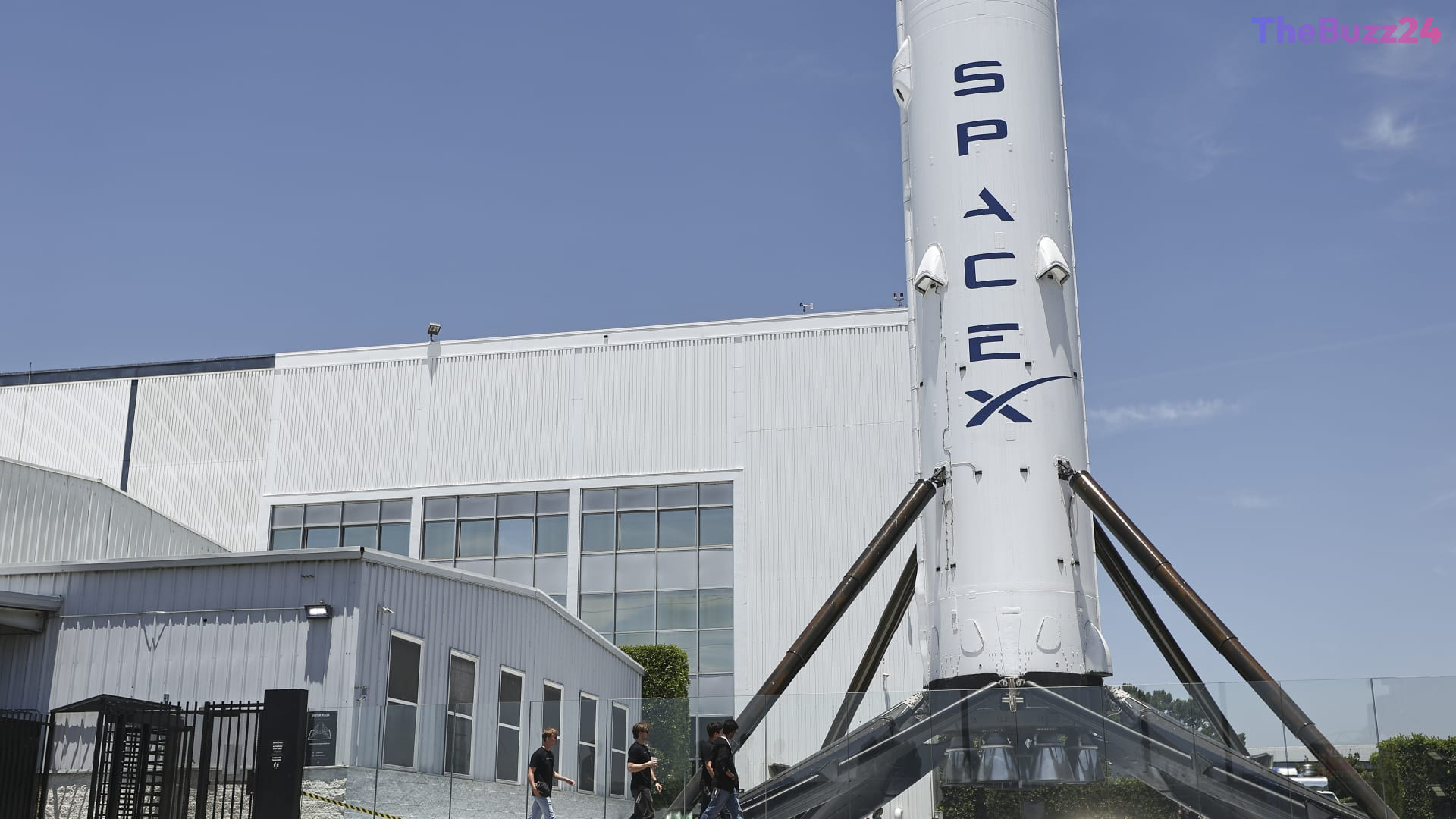
As the market anticipates the highly publicized debut of a new public entity led by Elon Musk, investors are aggressively seeking indirect ways to gain exposure to SpaceX. With the company’s upcoming IPO generating significant buzz, traders are flocking to stocks with tangential ties to the aerospace giant, leading to a surge in options volume that far exceeds typical trading patterns.
Companies such as EchoStar, which holds a minority stake in SpaceX, and AST SpaceMobile, a partner for upcoming rocket launches, have seen their share prices and options activity climb sharply. This trend is not limited to high-performing firms; even struggling entities like Virgin Galactic have experienced a spike in call buying, as market participants look for any available vehicle to bet on the broader space sector’s momentum.
Market experts note that this phenomenon is largely driven by a supply-demand imbalance within space-focused exchange-traded funds (ETFs). As retail and institutional investors pour capital into these funds, the ETFs are forced to purchase underlying assets like EchoStar and AST SpaceMobile, regardless of the individual companies’ fundamental financial health or cash flow quality. This creates a feedback loop that keeps prices elevated for these proxy stocks.
Looking ahead, the official launch of SpaceX options trading is expected to be a major event for the retail trading community. Given the combination of high public interest, inherent volatility, and the company’s market profile, analysts anticipate that SpaceX will quickly become one of the most actively traded names in the options market, potentially mirroring the retail-driven enthusiasm previously seen with Tesla.
Key Takeaways
- Investors are using proxy stocks like EchoStar and AST SpaceMobile to gain indirect exposure to SpaceX ahead of its public debut.
- Surging demand for space-themed ETFs is artificially inflating the share prices of companies linked to SpaceX, independent of their individual business fundamentals.
- Market analysts expect SpaceX to become a highly active options trading vehicle, driven by significant retail interest and high implied volatility.
Editor’s Analysis & Impact
The current frenzy surrounding SpaceX-linked stocks highlights a recurring theme in modern equity markets: the ‘proxy trade’ phenomenon. When a highly anticipated, high-growth company remains private or is just entering the public market, capital often spills over into related, publicly traded entities. This creates a disconnect between stock price and fundamental value, as seen with the forced buying by space-focused ETFs. While this provides short-term liquidity and price appreciation for these proxy companies, it also introduces significant risk. Once the primary asset—SpaceX—becomes directly tradeable, capital may rapidly rotate out of these proxies, potentially leading to sharp corrections. The long-term implication is a heightened sensitivity to retail sentiment, where the ‘Musk factor’ continues to dictate market volatility more than traditional valuation metrics.
Frequently Asked Questions
Q: Why are investors buying shares of companies like EchoStar to get exposure to SpaceX?
A: Because SpaceX is not yet fully accessible to all public market investors, traders are buying shares of companies that have a business relationship with or a minority stake in SpaceX as a proxy to capture the company's growth potential.
Q: How do ETFs contribute to the rising prices of these proxy stocks?
A: When investors buy space-themed ETFs, the fund managers are required to buy the underlying stocks held in the fund. This forced buying pressure can drive up the prices of those stocks regardless of the individual company's actual financial performance.
AI Disclosure: This article is based on verified data and official reports. Our Team and AI have cross-referenced every financial detail with primary sources to ensure total accuracy.
More from this Category