Apple Files Trade Secret Lawsuit Against OpenAI, Threatening Hardware Ambitions and IPO Plans
Apple has initiated a trade secrets lawsuit against OpenAI, alleging a systematic pattern of misconduct aimed at inducing current and former Apple employees to divulge confidential information. OpenAI has publicly stated it is “not aware of any evidence that this complaint has merit,” setting the stage for a high-stakes legal battle between two of the tech industry’s most influential players.
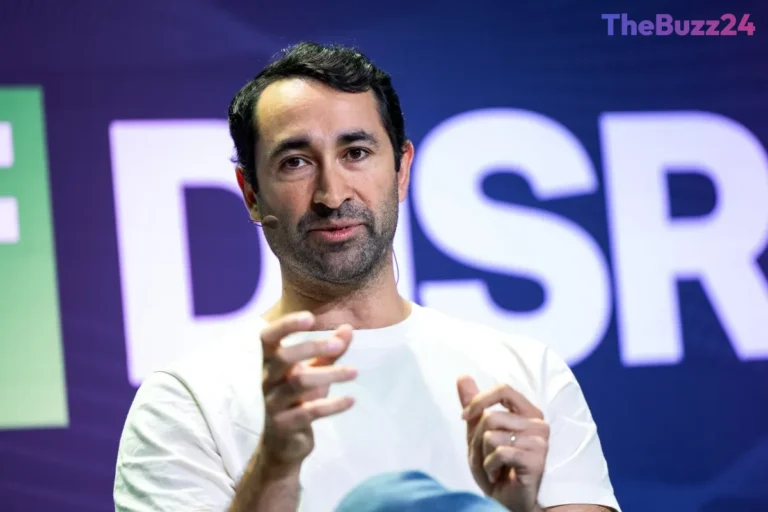
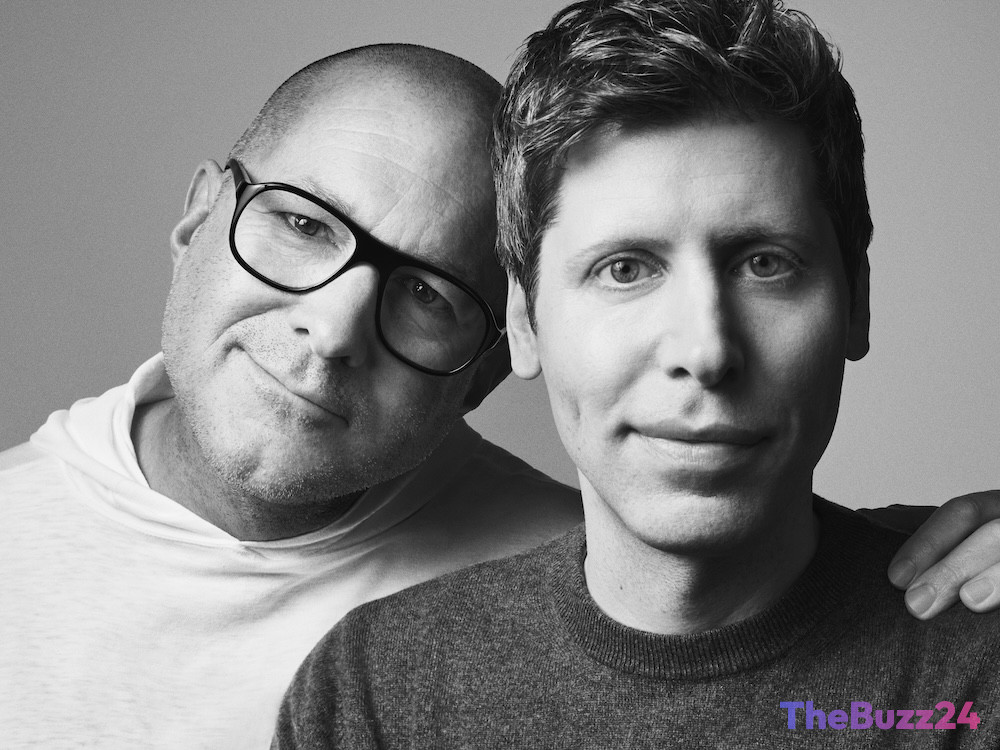
The lawsuit casts a significant shadow over OpenAI’s rumored foray into the hardware business, which is speculated to begin with a mobile smart speaker developed in collaboration with design icon Jony Ive. The complaint specifically names Tang Tan, OpenAI’s Chief Hardware Officer and a former Apple executive, as central to the alleged misconduct. Legal experts suggest that even without an immediate injunction, the litigation could inherently cause substantial delays in OpenAI’s hardware development, a strategic outcome Apple may have intended.
Beyond hardware, the timing of the lawsuit is particularly critical for OpenAI, which has confidentially filed for an Initial Public Offering (IPO) potentially as early as late this year or early next. A protracted legal dispute could introduce considerable uncertainty for investors, potentially impacting the company’s valuation and the market’s perception of its future growth, especially if hardware is factored into its long-term addressable market. Apple’s complaint also highlights a significant talent drain, noting that over 400 former Apple employees now work at OpenAI.
This legal challenge forces OpenAI to weigh its options carefully. Having recently emerged victorious from a high-profile courtroom battle against Elon Musk, the company must decide whether to pursue a swift settlement to mitigate risks to its IPO and hardware plans, or to endure the financial and reputational costs of another potentially lengthy trial, confident in its ability to prevail.
Key Takeaways
- Apple has filed a trade secrets lawsuit against OpenAI, alleging a pattern of misconduct in recruiting former Apple employees to share confidential information.
- The lawsuit poses a significant threat to OpenAI's rumored hardware development plans, including a mobile smart speaker, and could cause substantial delays.
- The legal challenge could impact OpenAI's valuation and investor confidence ahead of its anticipated IPO, especially if hardware is a key component of its future growth strategy.
Editor’s Analysis & Impact
This lawsuit represents a significant escalation in the competitive landscape between established tech giants and emerging AI powerhouses. For Apple, it’s a strategic move to protect its intellectual property and potentially slow down a formidable competitor entering its hardware domain. For OpenAI, a company on the cusp of a major IPO, the timing is critical. A protracted legal battle could introduce uncertainty for investors, complicate its valuation, and divert resources from product development. The outcome will not only shape OpenAI’s hardware future but also set precedents for how companies navigate talent acquisition and trade secrets in the rapidly evolving AI sector, potentially influencing future M&A and partnership dynamics across the industry.
Frequently Asked Questions
Q: What is Apple accusing OpenAI of?
A: Apple alleges that OpenAI engaged in a pattern of misconduct to acquire trade secrets by recruiting current and former Apple employees to share confidential information, particularly concerning hardware development.
Q: How might this lawsuit affect OpenAI's IPO?
A: A prolonged legal dispute could introduce significant uncertainty for investors, potentially impacting OpenAI's valuation and the market's perception of its future growth, especially if hardware is a key component of its long-term strategy.
Q: Is OpenAI currently developing hardware products?
A: While OpenAI has not officially confirmed specific products, there have been strong rumors and speculation about their entry into the hardware market, possibly starting with a mobile smart speaker, in collaboration with figures like Jony Ive.
AI Disclosure: This article is based on verified data and official reports. Our Team and AI have cross-referenced every financial detail with primary sources to ensure total accuracy.
More from this Category