Apple Overhauls Parental Controls with Advanced iOS 27 Safety Features
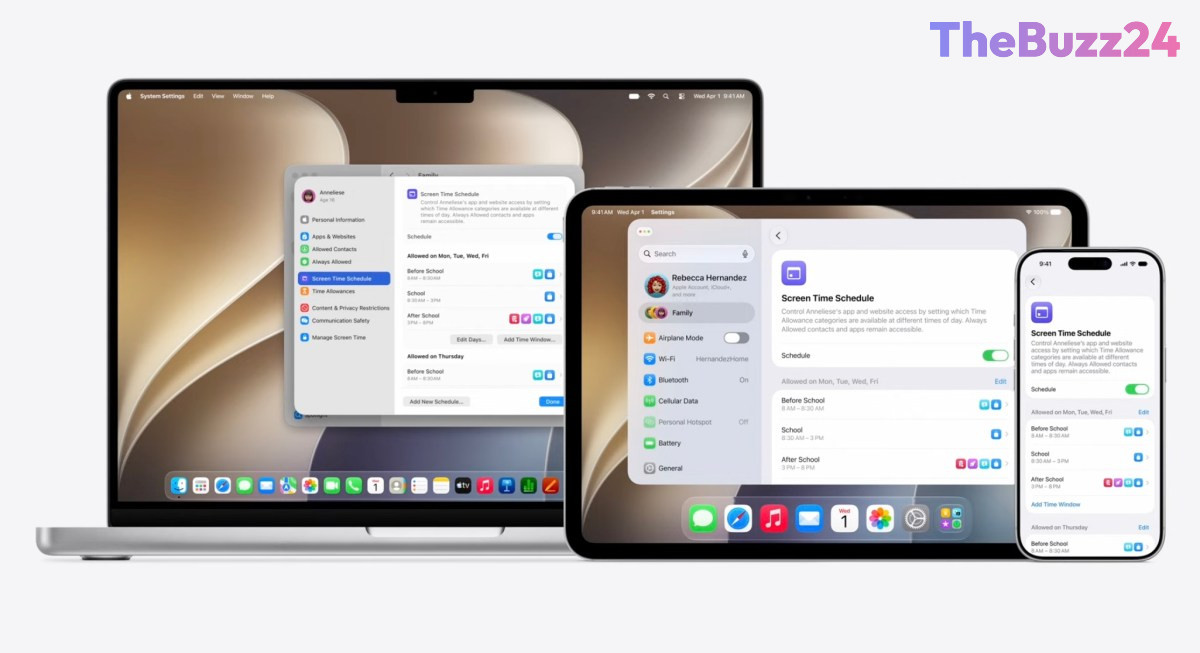
Apple has unveiled a significant expansion of its parental control suite, aiming to provide guardians with unprecedented oversight of children’s digital habits. Announced at the company’s recent developer conference, the updated tools integrated into iOS 27 allow parents to exert granular control over app accessibility, web browsing, and communication channels. These enhancements are designed to address growing concerns regarding the impact of technology on child development and align with the increasing global focus on digital safety regulations.
Central to the update is a redesigned Screen Time interface that leverages expert guidance, including recommendations from the American Academy of Pediatrics, to suggest age-appropriate usage limits. When setting up a new device for a child, the system automatically applies safeguards such as blocking adult content and restricting App Store access based on the child’s age. Parents retain the flexibility to customize these settings, allowing them to gradually grant access to more content as they deem appropriate for their child’s maturity level.
Beyond basic restrictions, Apple is introducing a new ‘Ask to Browse’ feature that restricts web access across Safari on iPhone, iPad, and Mac, closing a common loophole used to bypass app-based blocks. Furthermore, parents can now manage contact lists and enable filters that automatically block incoming text messages containing gore or violence. To support these efforts, Apple is providing developers with new APIs that allow third-party apps to integrate safety features, such as age verification and content moderation, directly into their platforms.
These comprehensive updates are scheduled to roll out to the public this fall alongside the official release of iOS 27. By combining automated, expert-backed suggestions with deep system-level controls, Apple is positioning its ecosystem as a safer environment for younger users, providing parents with the necessary tools to navigate the complexities of modern digital parenting.
Key Takeaways
- iOS 27 introduces granular parental controls, including the 'Ask to Browse' feature to restrict web access and filters for violent or graphic text content.
- Apple collaborated with the American Academy of Pediatrics to provide age-based screen time recommendations and default safety settings for children under 13.
- New developer APIs will allow third-party applications to better enforce age restrictions and content safety standards within their own ecosystems.
Editor’s Analysis & Impact
Apple’s move to deepen parental controls reflects a broader industry shift toward ‘safety by design.’ As regulators worldwide scrutinize the impact of social media and digital devices on minors, tech giants are under immense pressure to provide robust, built-in safeguards rather than relying on third-party software. By integrating expert-backed recommendations directly into the OS, Apple is not only addressing parental anxiety but also preemptively mitigating potential legal risks associated with child safety. This strategy strengthens the ‘walled garden’ appeal of the Apple ecosystem, potentially increasing brand loyalty among families. Looking ahead, we can expect other major platforms to follow suit, as the standard for digital parenting tools continues to rise, moving from simple time-tracking to comprehensive, content-aware management systems.
Frequently Asked Questions
Q: When will these new parental control features be available?
A: The new features are set to launch this fall as part of the iOS 27 software update.
Q: Can parents customize the default safety settings?
A: Yes, while Apple provides age-appropriate default restrictions, parents have full authority to adjust these settings and grant or revoke access to specific apps and websites as they see fit.
Q: Do these controls work across multiple Apple devices?
A: Yes, features like 'Ask to Browse' are designed to function across the Apple ecosystem, including iPhone, iPad, and Mac, provided the devices are using the updated software.
AI Disclosure: This article is based on verified data and official reports. Our Team and AI have cross-referenced every financial detail with primary sources to ensure total accuracy.
More from this Category