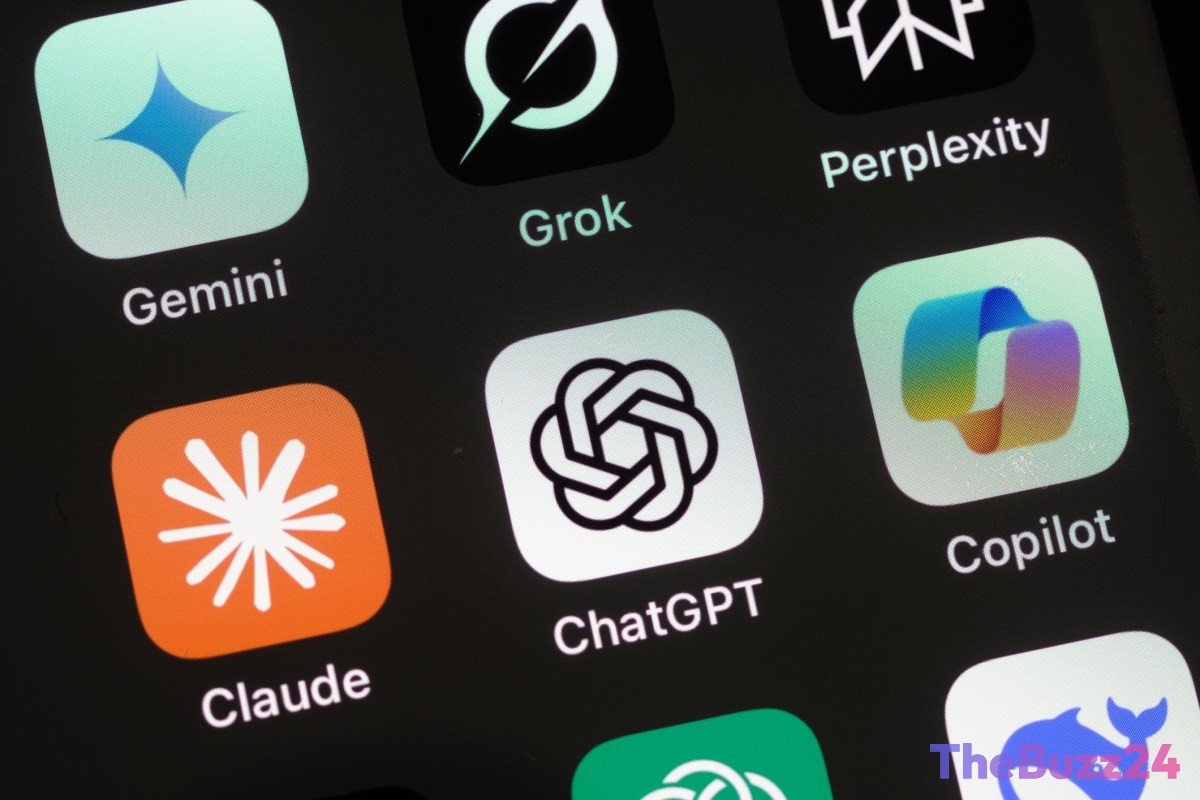
Apple Shifts Strategy: iOS 27 to Offer Users Choice of Third-Party AI Models
Apple is set to redefine the mobile artificial intelligence landscape with the upcoming launch of iOS 27. In a significant departure from its traditional reliance on proprietary systems, the company is introducing a flexible framework that allows users to select from a variety of third-party large language models to handle on-device tasks. This strategic pivot aims to transform the iPhone into a versatile hub for diverse AI capabilities, moving away from a ‘one-size-fits-all’ approach.
At the heart of this update is a new feature known as ‘Extensions,’ which allows generative AI tools from various installed applications to integrate directly into the operating system. These models will function seamlessly within core Apple Intelligence features, such as Siri, Writing Tools, and Image Playground. The initiative is not confined to the iPhone; Apple plans to extend this multi-model flexibility to iPadOS 27 and macOS 27, ensuring a consistent experience across its entire hardware ecosystem.
To support this vision, Apple is reportedly in discussions with industry leaders like Google and Anthropic to broaden the selection of available AI models. While the specific integration of ChatGPT remains under development, it is expected to remain a key option for users. This shift marks a broader transition for the company, as incoming executive John Ternus prepares to lead Apple’s technological roadmap. By focusing on hardware as the primary interface for third-party intelligence rather than building massive, exclusive infrastructure, Apple is positioning its devices as the ultimate gateway for personalized AI.
Key Takeaways
- iOS 27 will allow users to choose between multiple third-party AI models for on-device tasks.
- The new 'Extensions' feature integrates generative AI from various apps directly into core system tools like Siri.
- Apple is shifting its strategy to focus on hardware as an AI-centric interface rather than relying solely on proprietary infrastructure.
Editor’s Analysis & Impact
Apple’s decision to embrace a multi-model AI strategy represents a pragmatic shift in the competitive landscape of generative technology. By positioning the iPhone and Mac as ‘AI-agnostic’ platforms, Apple avoids the massive capital expenditure required to train and maintain a single, all-encompassing proprietary model. Instead, the company is leveraging its massive installed user base to become the primary distribution layer for third-party AI developers. This move not only mitigates regulatory scrutiny regarding monopolistic practices but also enhances user satisfaction by providing choice. As John Ternus takes the helm, this strategy suggests that Apple’s future value proposition lies in its ability to curate and integrate the best-in-class AI tools into a seamless, privacy-focused hardware experience, effectively turning its ecosystem into the most valuable real estate for AI providers.
Frequently Asked Questions
Q: Will iOS 27 still support Apple's own AI features?
A: Yes, the new multi-model approach is designed to work alongside core Apple Intelligence features like Siri and Writing Tools, rather than replacing them.
Q: Which AI models will be available on iOS 27?
A: While Apple has not released a final list, reports indicate the company is exploring partnerships with major players like Google and Anthropic, with ChatGPT expected to remain an option.
AI Disclosure: This article is based on verified data and official reports. Our Team and AI have cross-referenced every financial detail with primary sources to ensure total accuracy.
More from this Category