The Gatekeeper of AI: ASML CEO Defends Semiconductor Supremacy
ASML continues to hold a pivotal role in the global technology sector as the exclusive manufacturer of extreme ultraviolet (EUV) lithography machines. These highly sophisticated systems are essential for producing the world’s most advanced semiconductors, serving as the foundational hardware for the ongoing artificial intelligence boom. With each unit priced at hundreds of millions of dollars and requiring an extensive assembly process, these machines represent the most significant bottleneck and enabler in the modern chip supply chain.
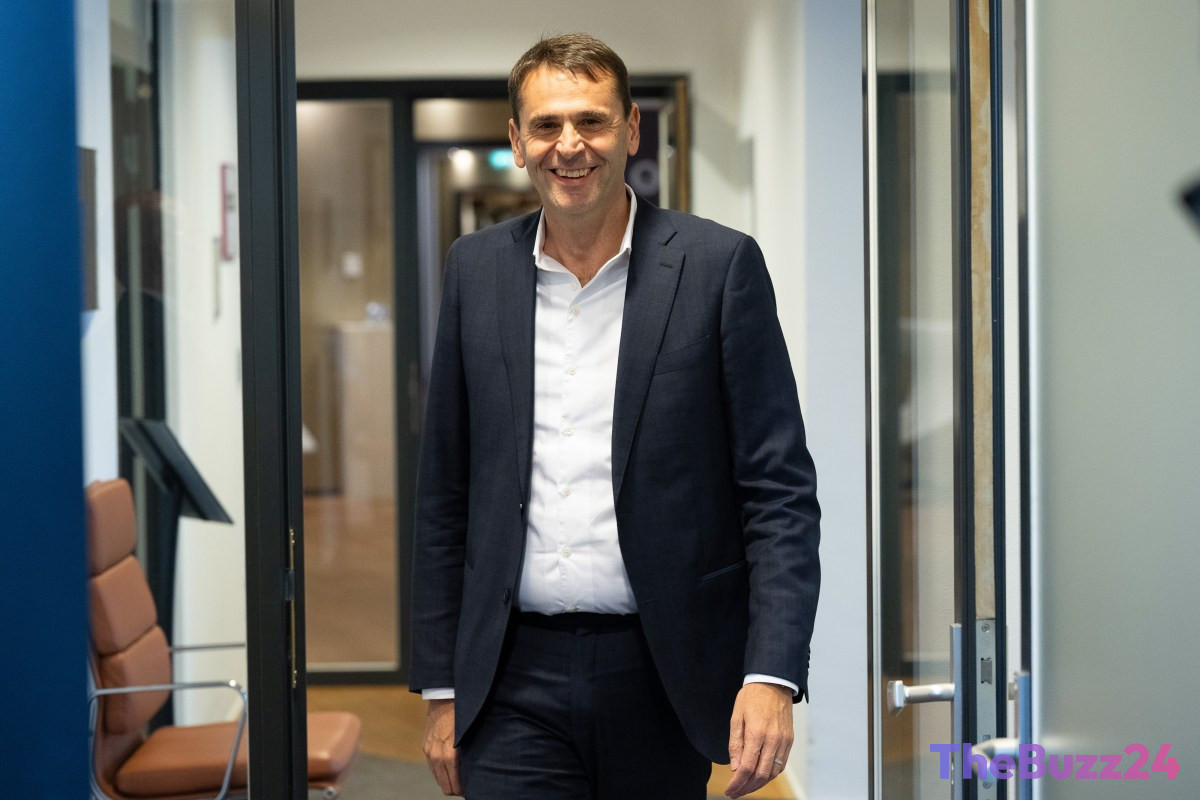
CEO Christophe Fouquet, who took the helm in 2024, remains unfazed by emerging competitors attempting to challenge the company’s market dominance. While various startups have proposed alternative lithography methods, Fouquet argues that the decades of engineering refinement required to achieve nanometer-accurate production create a formidable barrier to entry. He asserts that the technical complexity inherent in ASML’s systems provides a natural, long-term protection against potential disruption from new market entrants.
Regarding geopolitical concerns and the security of its intellectual property, the company has clarified its stance on operations in China. ASML maintains that its most advanced EUV technology has never been exported to the region, and the firm enforces rigorous internal protocols to prevent unauthorized access to sensitive technical data. Fouquet emphasizes that the current global chip shortage is driven by unprecedented demand rather than a stagnation in innovation, and he expects supply chain constraints to persist for several years.
Looking toward the future, the company is advocating for a strategic approach to international trade that balances global participation with the protection of cutting-edge intellectual property. By maintaining a clear technological ‘generation gap’ between older and newer systems, ASML aims to navigate complex export regulations while continuing to scale its production capacity to meet the insatiable global demand for high-performance computing.
Key Takeaways
- ASML remains the sole global provider of EUV lithography machines, which are critical for manufacturing advanced AI-capable semiconductors.
- CEO Christophe Fouquet views the extreme technical complexity of ASML's systems as a primary defense against potential industry challengers.
- The company maintains strict export controls and internal security protocols to protect its most advanced technology from unauthorized access.
Editor’s Analysis & Impact
ASML occupies a unique position in the global economy, acting as a singular point of failure for the entire semiconductor industry. The company’s ‘moat’ is not merely financial but deeply rooted in physics and decades of specialized engineering that competitors struggle to replicate. As AI infrastructure investment continues to accelerate, ASML’s ability to scale production will dictate the pace of global technological advancement. The broader implication is that the semiconductor industry will remain highly centralized, making ASML a focal point for geopolitical tensions and trade policy. Future outlook suggests that while the company will likely maintain its dominance, it must navigate an increasingly complex regulatory environment where ‘technological sovereignty’ has become a top priority for major world powers. The reliance on a single supplier for critical hardware remains a systemic risk that will likely drive further investment in domestic chip manufacturing initiatives worldwide.
Frequently Asked Questions
Q: Why is ASML considered the most important company in the semiconductor industry?
A: ASML is the only company in the world that manufactures the extreme ultraviolet (EUV) lithography machines required to produce the most advanced, high-performance microchips used in AI and modern computing.
Q: How does ASML protect its technology from being copied by competitors?
A: The company relies on the extreme complexity of its machines, which took decades to develop, as a natural barrier. Additionally, they enforce strict internal security protocols and do not export their most advanced EUV technology to restricted regions.
AI Disclosure: This article is based on verified data and official reports. Our Team and AI have cross-referenced every financial detail with primary sources to ensure total accuracy.
More from this Category