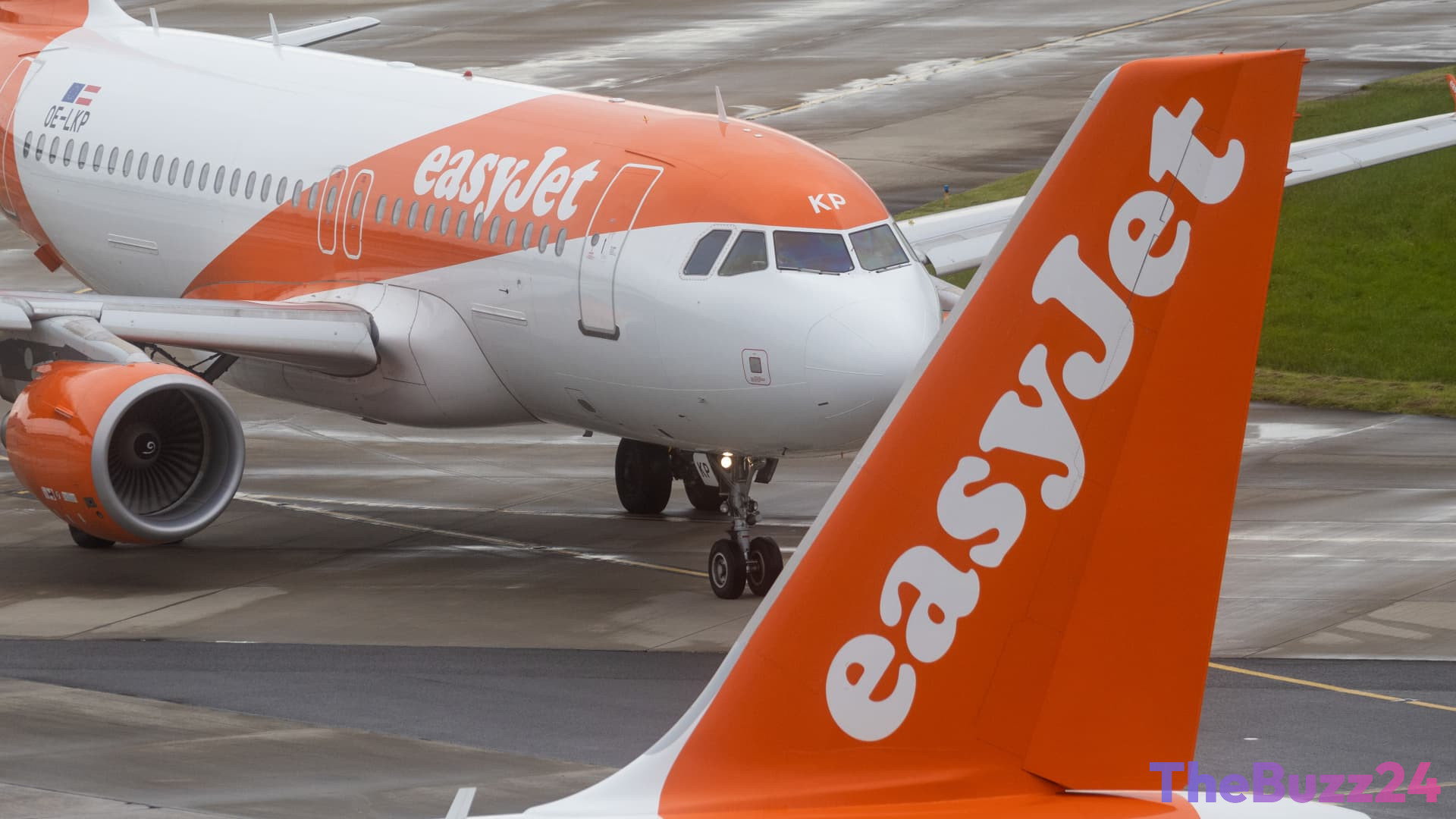
EasyJet Shares Skyrocket as Castlelake’s $7.3 Billion Takeover Bid Gains Traction
EasyJet’s stock experienced a significant surge in early trading Monday after the low-cost carrier reached an agreement in principle for an enhanced takeover bid from U.S. private equity firm Castlelake. The proposed deal, valued at approximately £5.5 billion ($7.3 billion), saw the budget airline’s shares climb over 10% shortly after the London market opened, reaching a new 52-week high.
This latest development follows a series of proposals from Castlelake, marking their fifth attempt to acquire the airline. EasyJet had previously rejected a £4.93 billion offer from the private equity manager last month. The current agreement outlines a cash offer of $6.90 per share, with Castlelake now having until August 3rd to formalize its bid or withdraw from the negotiations.
The potential acquisition unfolds against a challenging backdrop for the global aviation sector. Airlines worldwide are grappling with increased operational costs, particularly a squeeze on jet fuel prices exacerbated by geopolitical tensions in the Middle East. Industry forecasts from last month indicated that global airline profits could be halved this year due to an anticipated 70% year-on-year increase in jet fuel expenses. EasyJet itself reported a pre-tax loss of £552 million for the six months ending March 31st, despite a 12% rise in half-year revenues to £4 billion, alongside warnings of potential price hikes and slower booking trends.
In a joint statement, both EasyJet and Castlelake expressed mutual respect, with Castlelake emphasizing its commitment to supporting EasyJet’s future growth and its transformation into a more resilient European airline. The private equity firm also highlighted its support for EasyJet’s ongoing fleet modernization program, viewing it as crucial for the company’s long-term competitiveness, efficiency, and sustainability goals.
Key Takeaways
- EasyJet has agreed in principle to a $7.3 billion takeover bid from Castlelake, causing its shares to jump over 10%.
- This is Castlelake's fifth bid, with a deadline of August 3rd to make a firm offer.
- The deal comes as the aviation industry faces significant challenges, including rising jet fuel costs and EasyJet's recent financial losses.
Editor’s Analysis & Impact
This potential acquisition signals a significant consolidation move within the European budget airline sector, potentially setting a precedent for other financially stressed carriers. The immediate surge in EasyJet’s stock reflects investor confidence in the deal’s value and Castlelake’s strategic vision, despite broader industry headwinds. For EasyJet, a private ownership structure under Castlelake could provide the capital and strategic flexibility needed to accelerate its fleet modernization and navigate volatile fuel markets without immediate public market pressures. This could lead to a more agile and competitive airline in the long term. The deal highlights private equity’s appetite for undervalued assets in sectors facing temporary distress. It also underscores the ongoing challenges for airlines, where even established players like EasyJet are vulnerable to macroeconomic shifts, making strategic partnerships or takeovers increasingly attractive for stability and growth.
Frequently Asked Questions
Q: What is the value of Castlelake's takeover bid for EasyJet?
A: Castlelake's improved takeover bid for EasyJet is valued at approximately £5.5 billion ($7.3 billion).
Q: Why is this acquisition happening now, given the challenges in the aviation sector?
A: The acquisition comes at a time when the global aviation sector is under stress due to rising jet fuel costs and geopolitical tensions. For Castlelake, this could represent an opportunity to acquire a major airline at a potentially favorable valuation, with plans to support its long-term growth and modernization.
Q: What is the next step in the takeover process?
A: Castlelake has until August 3rd to make a firm offer to EasyJet or withdraw from the deal. The current agreement is 'in principle,' meaning it is not yet a legally binding final offer.
AI Disclosure: This article is based on verified data and official reports. Our Team and AI have cross-referenced every financial detail with primary sources to ensure total accuracy.
More from this Category