Apple Unveils First Touch-Enabled MacBook Pro Models, Emphasizing Optionality and Premium Features
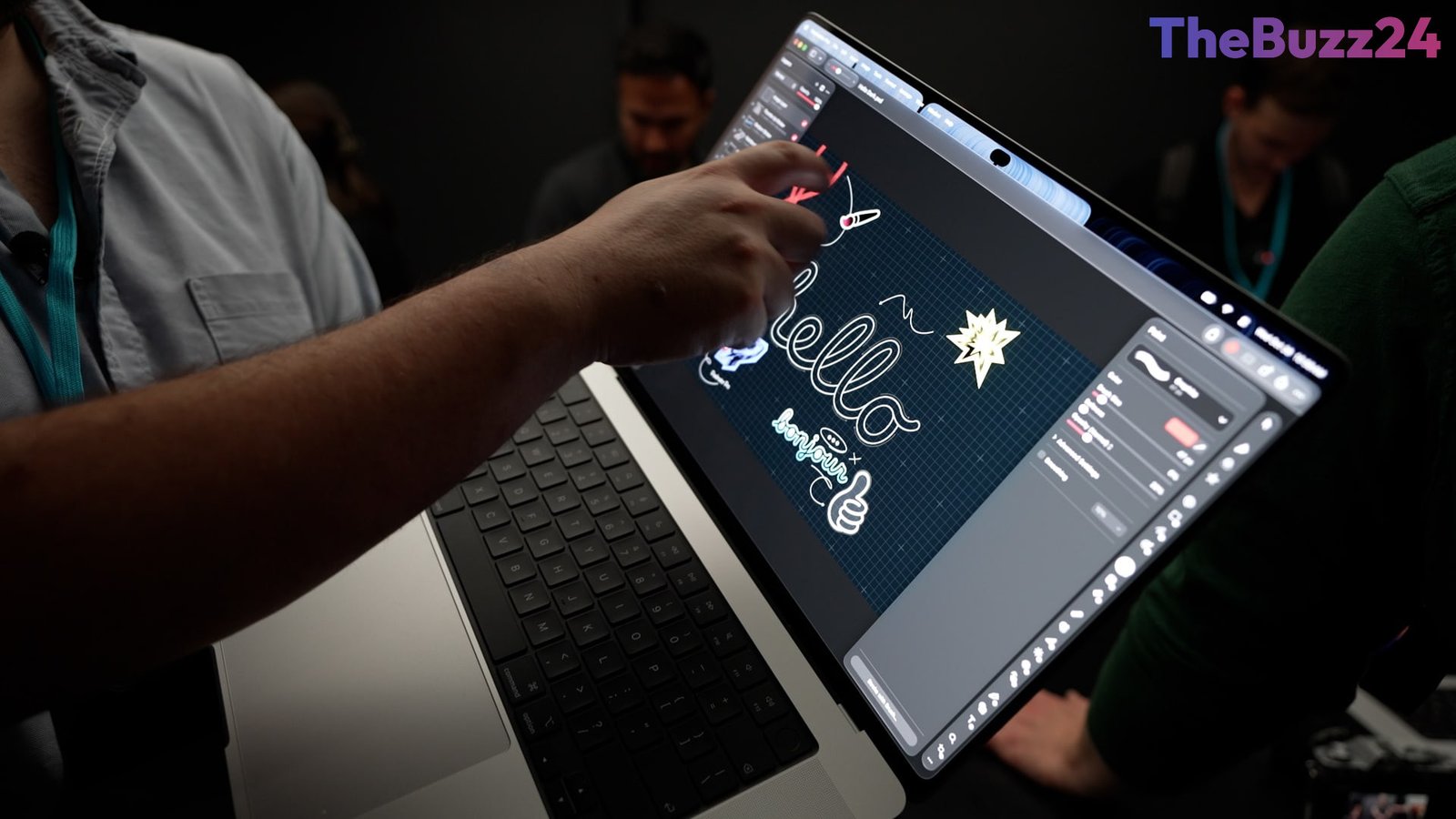
Apple has officially introduced its inaugural touchscreen laptop models, the MacBook Pro with ProLED XDR Display, at a recent event. These new devices mark a significant evolution for the MacBook line, yet Apple assures users that touch interaction remains entirely optional, allowing for continued reliance on the traditional trackpad and keyboard. The laptops maintain the familiar MacOS operating system, distinguishing them from iPadOS or iOS devices.
The integrated touch functionality is designed for seamless use, with screens featuring an oleophobic coating to resist fingerprints, a feature observed to be effective. While MacOS largely retains its existing visual interface, subtle user interface updates have been implemented, such as an expanding red window button for easier touch interaction. Apple has indicated that major third-party developers, including Microsoft and Adobe, are expected to update their applications to optimize for larger touch targets. Even without explicit updates, the software converts every touch tap into a traditional click, ensuring compatibility across all clickable elements. This touch capability could prove particularly useful for scrolling through content, as well as for iPhone app developers testing their applications directly on a Mac, and offers an accessibility feature for pinch-to-zoom on any UI element.
Beyond the touchscreen, these new MacBook Pro models boast superior display technology, leveraging tandem OLED for deeper blacks and higher contrast, primarily benefiting creative professionals requiring precise color accuracy. Design enhancements include a hole-punch cutout for the camera, replacing the previous notch, and the integration of Apple’s Dynamic Island feature, which expands to show live activities and Siri interactions. An improved hinge is engineered to minimize screen shake during touch interactions, though its feel is largely consistent with previous MacBook Pro iterations.
Perhaps the most immediately noticeable new feature, signaling the latest and most premium Apple laptop, is the return of the illuminated Apple logo on the lid—a design element not seen since the 2017 MacBook Air. These high-end machines are positioned at a premium price point, with the 14-inch model starting at $2,899 and the 16-inch version beginning at $3,399.
Key Takeaways
- Apple has launched its first touchscreen MacBook Pro models, featuring advanced ProLED XDR Displays.
- The touch functionality is entirely optional, allowing users to maintain traditional trackpad and keyboard interaction while running MacOS.
- Key design updates include a hole-punch camera cutout, Dynamic Island integration, an enhanced hinge, and the return of the illuminated Apple logo, all at a premium price point.
Editor’s Analysis & Impact
Apple’s entry into the touchscreen laptop market, while later than some competitors, represents a strategic move to enhance the versatility of its MacBook Pro line. By making touch an optional feature, Apple aims to cater to its loyal user base who prefer traditional input methods, while gradually introducing new interaction paradigms. This development could spur further innovation in the premium laptop segment, pushing competitors to refine their own display and user interface technologies. The integration of features like Dynamic Island and the focus on display quality underscore Apple’s commitment to professional users and its ecosystem strategy. Over time, this optional touch interface may pave the way for deeper MacOS-iOS/iPadOS convergence, offering developers a more unified platform for cross-device applications and potentially reshaping user expectations for future Mac interactions.
Frequently Asked Questions
Q: Are the new MacBook Pro models primarily touch-controlled?
A: No, the touch functionality is entirely optional. Users can continue to interact with the device using the traditional trackpad and keyboard, as MacOS retains its familiar interface.
Q: What operating system do the new touchscreen MacBooks run?
A: The new MacBook Pro models run MacOS, not iPadOS or iOS, ensuring a consistent desktop computing experience.
Q: What are some of the key new design features of these MacBooks?
A: Notable design updates include a hole-punch cutout for the camera (replacing the notch), the integration of Dynamic Island, an enhanced hinge designed for screen stability, and the return of the illuminated Apple logo on the lid.
AI Disclosure: This article is based on verified data and official reports. Our Team and AI have cross-referenced every financial detail with primary sources to ensure total accuracy.
More from this Category