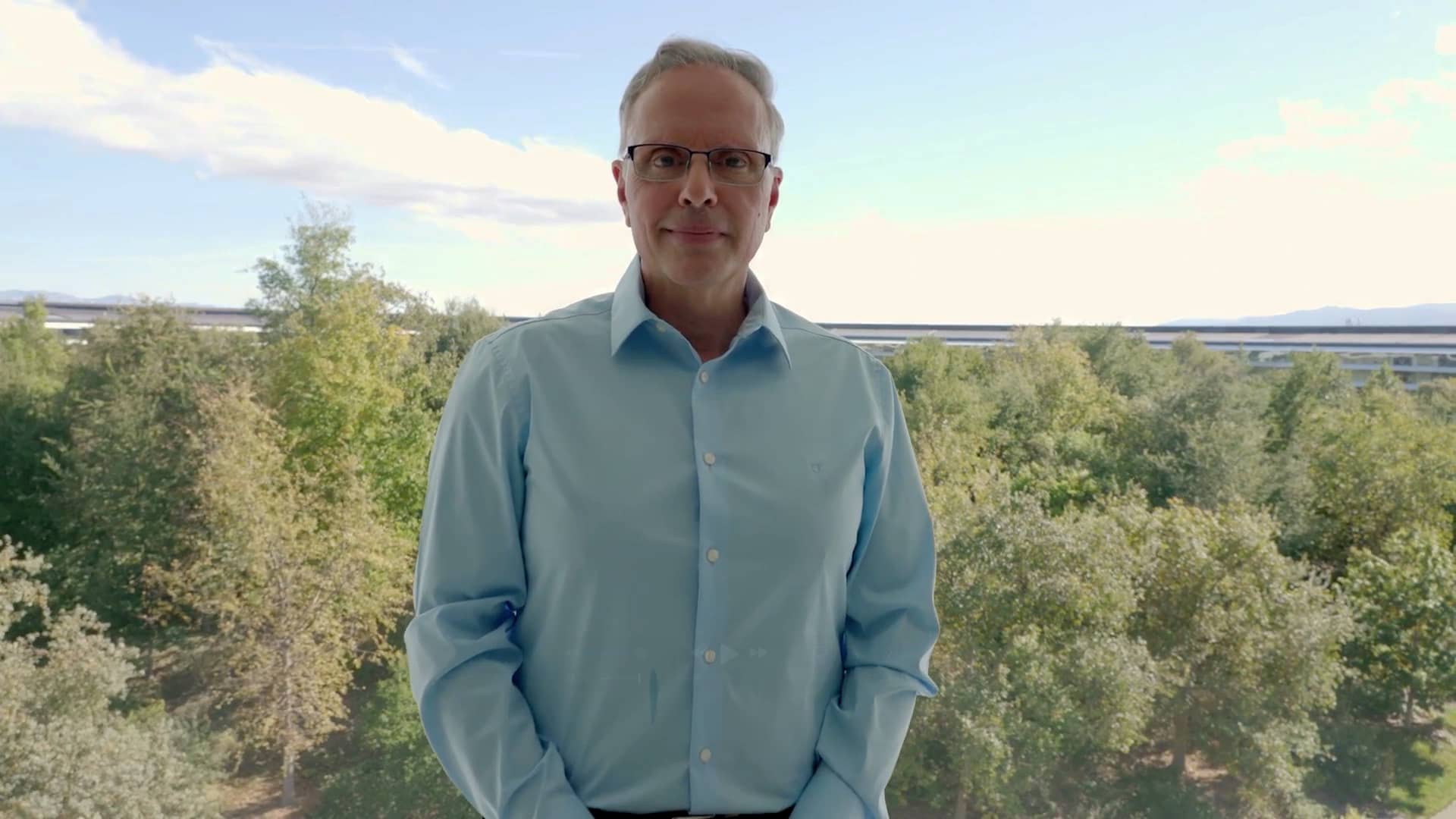
Apple Centralizes Hardware Strategy Under Johny Srouji in Major Leadership Shift
Apple has initiated a major leadership restructuring, appointing veteran silicon executive Johny Srouji to the newly established role of chief hardware officer. This strategic consolidation aligns with the upcoming transition of John Ternus to the CEO position on September 1. By unifying hardware engineering, silicon design, platform architecture, and project management under Srouji’s leadership, Apple is doubling down on its long-standing commitment to vertical integration and custom component development across its entire product lineup.
Srouji, a key figure at Apple since 2008, has been the primary architect behind the company’s transition away from third-party silicon providers. His oversight has been critical in the successful rollout of custom processors that power the iPhone, Mac, and wearable devices. This new, centralized structure is designed to streamline the development process, ensuring that hardware innovation remains tightly coupled with software advancements, a philosophy that has long defined the company’s competitive advantage in the consumer electronics market.
As the technology sector pivots toward on-device artificial intelligence, Apple’s ability to design proprietary neural accelerators and custom modems has become increasingly vital. By bringing all hardware-related disciplines under one umbrella, the company aims to accelerate the development of specialized chips that prioritize performance, power efficiency, and user privacy. This move signals a definitive shift toward total design control, positioning Apple to navigate the complexities of generative AI and future computing workloads with greater agility and independence.
Key Takeaways
- Johny Srouji has been appointed as Apple's first chief hardware officer, consolidating all hardware and silicon divisions under his leadership.
- The restructuring is designed to accelerate the development of custom AI-focused hardware and maintain tighter integration between software and silicon.
- The move marks a strategic shift toward total design control, reducing reliance on third-party suppliers as Apple prepares for the next generation of AI-driven products.
Editor’s Analysis & Impact
The consolidation of Apple’s hardware division under Johny Srouji is a calculated move to secure the company’s technological sovereignty in an era defined by AI. By integrating silicon design with broader hardware engineering, Apple is effectively removing the friction that often exists between component development and product architecture. This move is likely to result in faster iteration cycles for custom chips, which are essential for running complex, privacy-focused AI models locally on devices. From a market perspective, this reinforces Apple’s ‘walled garden’ strategy, making it increasingly difficult for competitors to replicate the performance-per-watt efficiency of Apple’s ecosystem. As the industry moves toward specialized AI hardware, Apple’s vertical integration provides a significant moat, ensuring that its future product roadmap remains insulated from the supply chain volatility and architectural limitations of merchant silicon providers.
Frequently Asked Questions
Q: What is the significance of Johny Srouji’s new role as chief hardware officer?
A: The new role centralizes all of Apple's hardware, silicon, and platform architecture teams under one leader, allowing for more cohesive development and faster innovation in custom chip technology.
Q: How does this restructuring impact Apple’s reliance on third-party suppliers?
A: This move reinforces Apple's long-term strategy of vertical integration, aiming to reduce dependence on third-party silicon providers by designing more proprietary components in-house.
AI Disclosure: This article is based on verified data and official reports. Our Team and AI have cross-referenced every financial detail with primary sources to ensure total accuracy.
More from this Category