Artemis II Mission Captivates Global Audience, Shattering NASA’s Digital Engagement Records
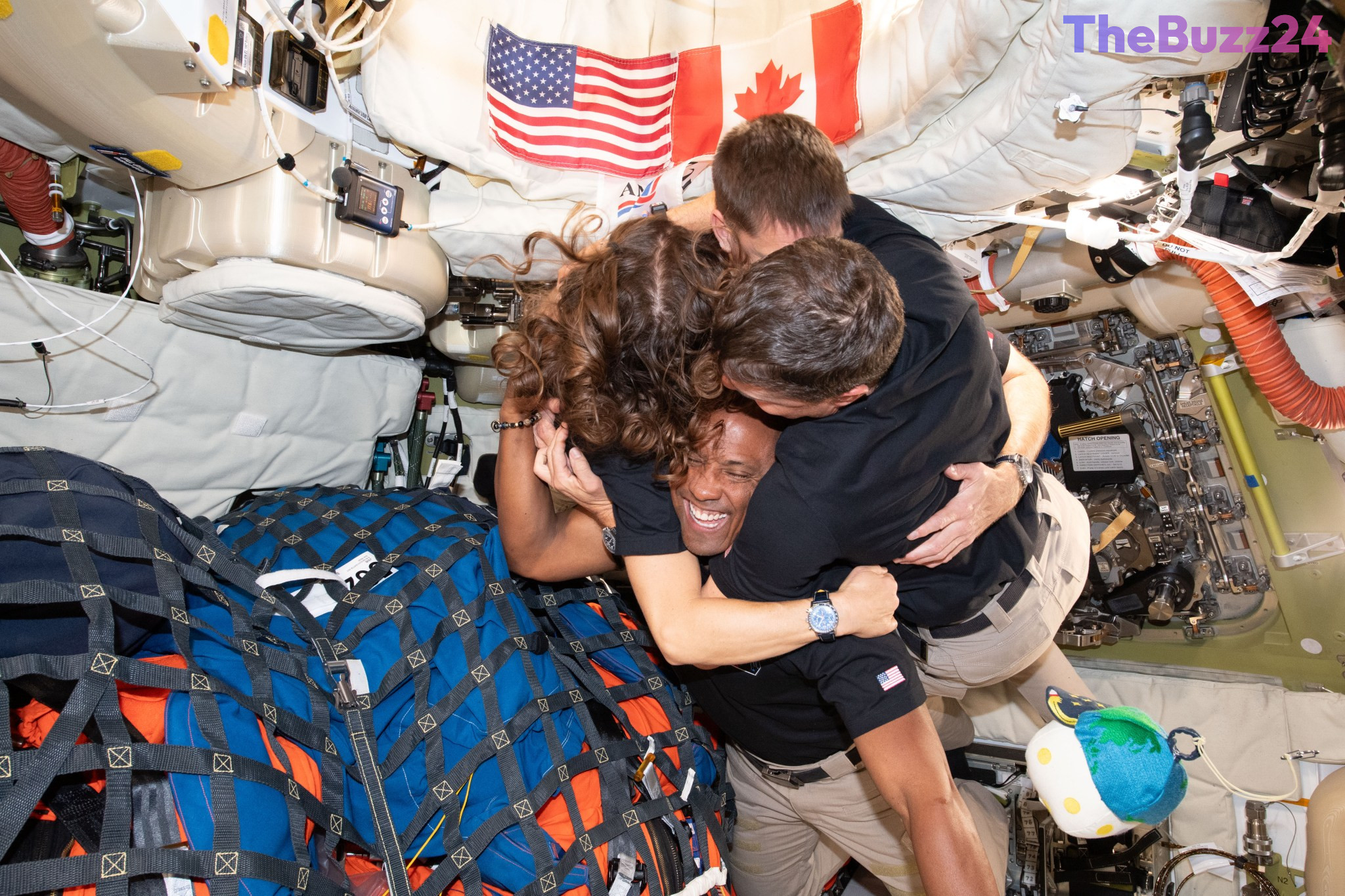
NASA’s Artemis II mission, a pivotal step in humanity’s return to the Moon, has concluded with resounding success, not only in its operational objectives but also in its unprecedented global public engagement. The nearly 10-day test flight, which saw NASA astronauts Reid Wiseman, Victor Glover, Christina Koch, and CSA astronaut Jeremy Hansen journey around the Moon aboard the Orion spacecraft, captivated millions worldwide. This historic endeavor set new benchmarks for digital viewership and online interaction, demonstrating a powerful resurgence of public interest in deep space exploration.
The mission’s live coverage drew extraordinary attention across NASA’s streaming platforms, accumulating over 149.4 million views for the launch, lunar flyby, and splashdown events. Peak concurrent viewership for the launch reached an impressive 3.66 million, including significant contributions from platforms like X and Twitch, surpassing previous records set by Artemis I and the James Webb Space Telescope. The lunar flyby also garnered a massive audience, with 1.47 million concurrent viewers, largely driven by YouTube. Interest peaked further during the critical splashdown, with 3.83 million viewers tuning in to witness the crew’s safe return. Beyond streaming, NASA’s websites experienced a massive surge, with NASA.gov recording 125.1 million pageviews between April 1 and 10, more than doubling the previous month’s traffic.
The mission’s success was amplified by a robust social media presence and strategic collaborations. NASA’s flagship Instagram account gained over 4.6 million followers, with the dedicated Artemis account growing by 2 million, alongside significant increases on X, Facebook, and YouTube. Public sentiment remained overwhelmingly positive, fueled by stunning imagery and real-time updates. Crucially, partnerships with major entertainment platforms such as HBO Max, Netflix, Peacock, and Amazon Prime Video extended Artemis II’s reach to hundreds of millions of potential viewers globally, tapping into mainstream and non-traditional audiences. Offline, iconic landmarks like the Nasdaq Marquee, Empire State Building, Sphere in Las Vegas, and London’s Piccadilly Lights celebrated mission milestones, cementing Artemis II as a global cultural event.
Launched on April 1, 2026, from Kennedy Space Center, the Artemis II crew successfully achieved all primary objectives, including testing life support systems, manually piloting Orion, performing critical maneuvers, and conducting a lunar flyby that offered unparalleled views of the Moon’s far side. The astronauts also set a new record for the farthest distance traveled by humans from Earth. This mission serves as a vital precursor to establishing a sustained human presence on the lunar surface and ultimately paving the way for future crewed missions to Mars, marking a new era in human spaceflight and scientific discovery.
Key Takeaways
- The Artemis II mission achieved unprecedented digital engagement, setting new viewership records across NASA's streaming platforms and websites.
- Strategic collaborations with major entertainment companies and global landmarks significantly broadened the mission's reach, transforming it into a global cultural event.
- The successful test flight validated critical systems and reignited widespread public interest in human deep space exploration, laying groundwork for future lunar and Mars missions.
Editor’s Analysis & Impact
The overwhelming public response to the Artemis II mission signals a significant shift in how space exploration is consumed and perceived globally. This record-breaking engagement underscores a robust public appetite for human spaceflight, which could translate into increased governmental and private investment in the aerospace sector. For the industry, it highlights the critical role of multi-platform digital strategies and strategic partnerships in democratizing access to scientific endeavors. The success of Artemis II’s outreach sets a new standard for future missions, demonstrating that compelling narratives, real-time updates, and visual content, amplified through diverse channels, can captivate a global audience, inspiring a new generation towards STEM fields and solidifying support for ambitious lunar and Martian objectives.
Frequently Asked Questions
Q: What were the key viewership milestones for the Artemis II mission?
A: The Artemis II mission set new records, with its launch broadcast drawing a peak of 3.66 million concurrent viewers. The lunar flyby reached 1.47 million concurrent viewers, and the critical splashdown event saw an even higher peak of 3.83 million viewers. NASA's websites also recorded over 125 million pageviews during the mission's active phase.
Q: How did Artemis II expand its global reach beyond NASA's own platforms?
A: The mission significantly expanded its global footprint through collaborations with major entertainment platforms like HBO Max, Netflix, Peacock, and Amazon Prime Video, reaching hundreds of millions of subscribers. Additionally, partnerships with Google Doodle, Spotify, Merriam-Webster, and displays on iconic landmarks like the Nasdaq Marquee, Empire State Building, Sphere, and Piccadilly Lights further amplified its visibility worldwide.
Q: What is the significance of the Artemis II mission for future space exploration?
A: Artemis II was a crucial test flight that validated the Orion spacecraft's systems and capabilities for deep space travel, including life support, manual piloting, and re-entry procedures. Its success is a vital step towards establishing a sustained human presence on the Moon and serves as a foundational mission for future crewed expeditions to Mars, marking a new chapter in human space exploration.
AI Disclosure: This article is based on verified data and official reports. Our Team and AI have cross-referenced every financial detail with primary sources to ensure total accuracy.
More from this Category