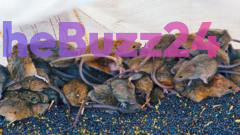
Australia Battles Unprecedented Mouse Plague Threatening National Harvest
Agricultural regions across Australia are currently facing a catastrophic mouse infestation that is causing widespread destruction to both commercial crops and residential infrastructure. Farmers are reporting significant financial losses as they scramble to re-seed devoured fields and implement aggressive baiting programs to protect their livelihoods. The impact extends beyond the paddocks, with rodents infiltrating homes and storage facilities, creating a persistent crisis that has placed an immense psychological and economic strain on rural communities.
The surge in the rodent population is primarily linked to a record-breaking previous harvest, which left substantial amounts of grain in the fields, combined with ideal weather conditions that accelerated breeding cycles. In parts of Western Australia, population densities have reached staggering levels, with thousands of mice per hectare. Because mice can begin reproducing at just six weeks of age, the population is expanding at a rate that makes traditional containment methods difficult to sustain.
This biological crisis arrives at a precarious time for the agricultural sector, which is already contending with elevated costs for essential inputs like fertilizer and fuel. As the autumn planting season progresses, the threat is immediate: mice are actively consuming seeds directly from the soil, putting the upcoming harvest at severe risk. While regulators have authorized the use of more potent baiting solutions to combat the infestation, producers remain in a race against time to secure their crops before further damage occurs.
Looking ahead, there is a glimmer of hope as seasonal shifts approach. Many in the industry are banking on the arrival of colder winter temperatures and increased rainfall to naturally suppress the population boom. Until those conditions take hold, farmers continue to work around the clock, employing every available resource to mitigate what is being described as one of the most severe rodent plagues in the nation’s history.
Key Takeaways
- A record-breaking previous harvest and favorable weather have triggered a massive, rapid-breeding mouse plague across Australian farmlands.
- The infestation is causing dual damage by destroying newly planted seeds and infiltrating residential properties, creating both financial and psychological distress.
- Regulators have approved stronger baiting measures, while farmers hope that upcoming winter weather will naturally curb the population explosion.
Editor’s Analysis & Impact
The Australian mouse plague highlights the extreme volatility inherent in modern agriculture, where a single environmental shift can negate the gains of a record-breaking season. From a market perspective, this infestation threatens to tighten supply chains for grain, potentially driving up domestic food prices and increasing input costs for livestock producers who rely on these crops for feed. The broader implication is a growing need for more resilient, technology-driven pest management systems that can scale rapidly in response to climate-induced population booms. As climate patterns become less predictable, the agricultural sector must prepare for more frequent biological disruptions, necessitating a shift toward proactive, rather than reactive, ecological management strategies to ensure long-term food security and economic stability for rural producers.
Frequently Asked Questions
Q: Why is the current mouse plague so difficult to control?
A: The plague is difficult to control due to the rapid reproductive cycle of mice, which can begin breeding at just six weeks old, combined with high population densities that overwhelm traditional baiting methods.
Q: What is the primary cause of the population explosion?
A: The surge is attributed to a combination of a record-breaking previous harvest that left excess grain in the fields and favorable weather conditions that provided an ideal environment for breeding.
AI Disclosure: This article is based on verified data and official reports. Our Team and AI have cross-referenced every financial detail with primary sources to ensure total accuracy.
More from this Category