Australia’s Central Bank Elevates Rates to 15-Year High Amid Stubborn Inflation
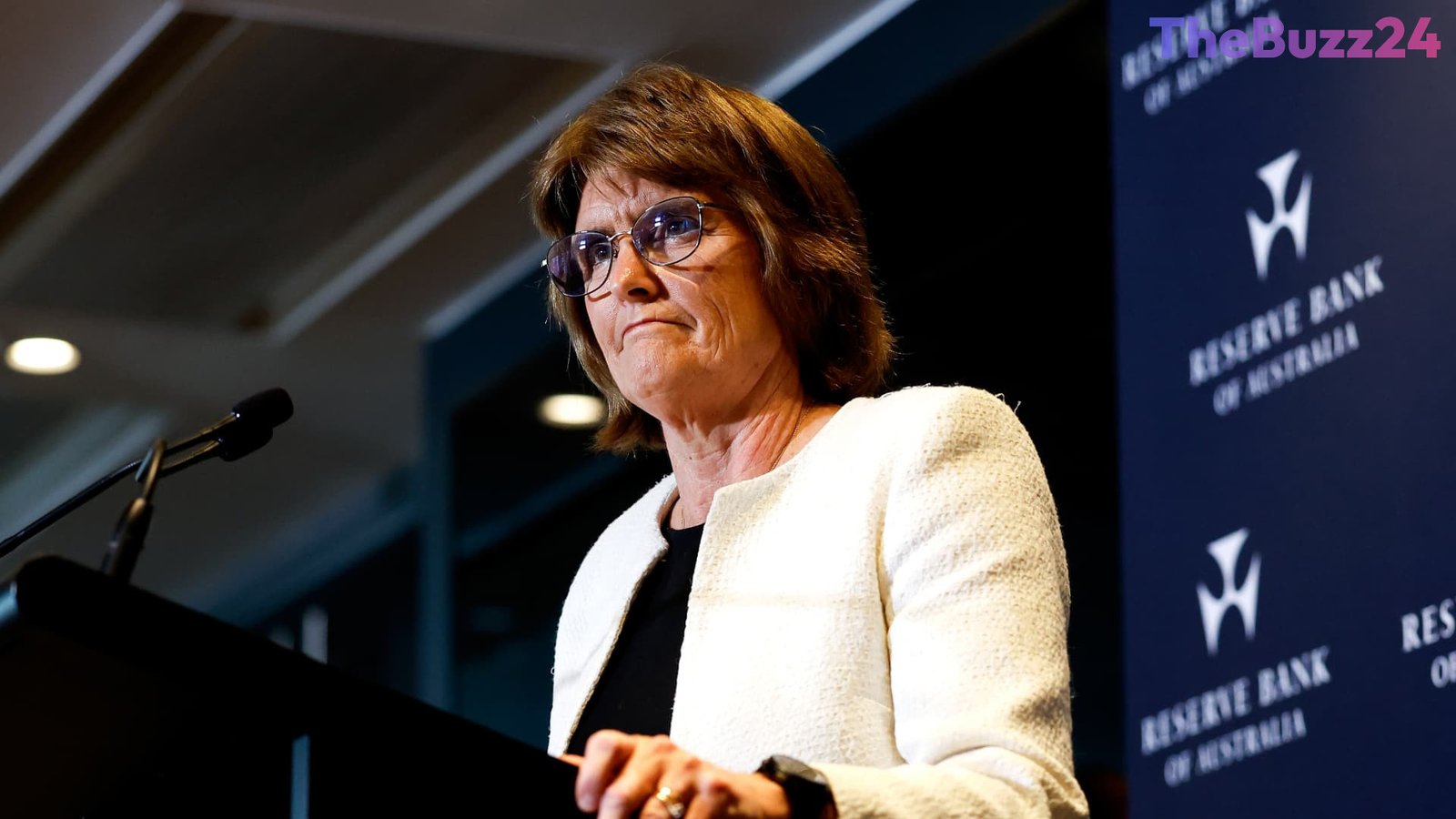
The Reserve Bank of Australia (RBA) has increased its policy rate by 25 basis points, pushing it to 4.6%—a level not seen in 15 years. This marks the fourth rate hike by the central bank this year, bringing the total increase to 100 basis points, as authorities intensify efforts to bring persistent inflation under control. The decision was largely anticipated by market analysts.
In its official statement, the RBA highlighted that several upside risks identified in its August meeting are now materializing. A key factor contributing to inflationary pressures is the broadening conflict in the Middle East, which has significantly driven up global energy prices beyond previous assumptions. Additionally, the central bank noted that robust demand related to artificial intelligence is fueling rapid price increases for technology-related goods, further complicating the inflation outlook.
Australia’s inflation has consistently exceeded the RBA’s target band of 2%-3% for 2026, reaching a peak of 4.6% in March. While the inflation rate eased slightly to 3.5% in July, analysts at Bank of America recently highlighted that inflation appears to be accelerating rather than converging back to the target. They pointed to the July Consumer Price Index as clear evidence of this shift, alongside a pattern of rising core inflation in recent months. Concerns are also mounting over potential second-round effects from elevated energy costs, which could entrench inflation more deeply within the economy.
The RBA has affirmed its commitment to taking all necessary measures to contain inflation, explicitly stating that further increases to the policy rate remain a possibility. The central bank has also cautioned about a potential slowdown in economic growth as rates climb, with Australia’s economy expanding by 2.1% in the second quarter, a decrease from 2.5% in the first three months of the year. The unresolved Middle East conflict continues to pose a risk, with scenarios suggesting higher inflation and lower economic activity than currently forecast.
Key Takeaways
- The Reserve Bank of Australia has raised its policy rate to a 15-year high of 4.6%, marking the fourth increase this year.
- Persistent inflation is being driven by global energy price hikes due to the Middle East conflict and strong AI-related demand for technology goods.
- The RBA has signaled its readiness to implement further rate increases if necessary to bring inflation back within its target range.
Editor’s Analysis & Impact
The RBA’s latest rate hike underscores the persistent global inflationary pressures, particularly those stemming from geopolitical tensions and emerging technological demands. This hawkish stance signals the central bank’s unwavering commitment to price stability, even at the risk of tempering economic growth. For the Australian economy, this means continued pressure on borrowers and potentially slower consumer spending, impacting various sectors. The explicit mention of AI-related demand as an inflation driver highlights a new dimension to central bank concerns, suggesting that technological advancements, while beneficial, can also contribute to price volatility. The RBA’s actions could serve as a precedent for other central banks grappling with similar complex, multi-faceted inflationary challenges, emphasizing that the fight against rising prices is far from over and may require sustained, aggressive measures.
Frequently Asked Questions
Q: Why did the Reserve Bank of Australia raise interest rates?
A: The RBA raised interest rates to combat persistent inflation, which has been running above its target band. Key drivers include rising global energy prices due to the Middle East conflict and increased demand for technology-related goods fueled by AI.
Q: What is the current state of inflation in Australia?
A: Australia's inflation rate reached 3.5% in July, still above the RBA's target band of 2%-3%. Analysts suggest inflation is accelerating rather than converging to the target, with concerns about second-round effects from energy costs.
Q: Will the RBA raise interest rates further?
A: The RBA has indicated that it will 'continue to do what it considers necessary' to contain inflation, including potentially increasing the policy rate further. This suggests that future rate hikes are not off the table if inflationary pressures persist.
AI Disclosure: This article is based on verified data and official reports. Our Team and AI have cross-referenced every financial detail with primary sources to ensure total accuracy.
More from this Category