Luckin Coffee Eyes Middle East Expansion Following Strategic Turnaround
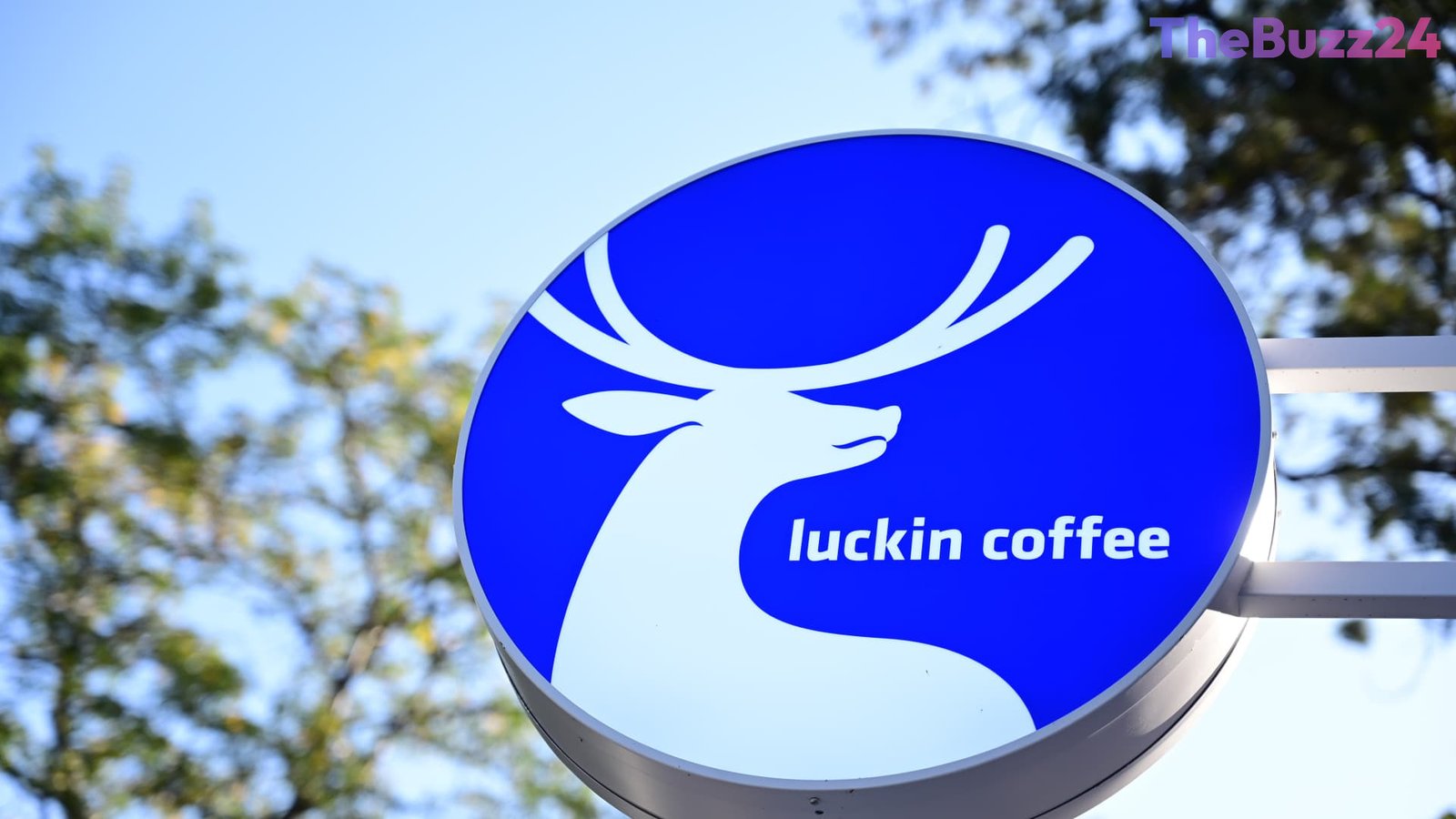
Luckin Coffee is actively exploring an expansion into the Middle East, signaling a renewed push for international growth. Following a successful corporate restructuring and a massive surge in domestic sales that allowed it to overtake Starbucks as China’s largest coffee chain, the company is now looking to leverage its momentum in the Persian Gulf region. This potential move comes as the brand seeks to diversify its footprint beyond its massive base in mainland China and its existing operations in Singapore and Malaysia.
The company’s ambitions are bolstered by significant backing from major institutional investors, including Abu Dhabi’s sovereign wealth fund, Mubadala, and Singapore’s Temasek. Mubadala’s involvement, which includes a substantial joint investment alongside Centurium Capital, provides the financial stability and regional expertise necessary to navigate new markets. This strategic partnership is seen as a critical component in Luckin’s efforts to establish a foothold in the Gulf, where there is a growing consumer preference for health-conscious, low-sugar beverage options.
This expansion effort marks a significant recovery for the brand, which faced a severe accounting scandal several years ago that led to its delisting from the Nasdaq and a period of bankruptcy. Since then, under the guidance of Centurium Capital, the company has undergone a dramatic transformation. With over 36,000 stores in China and a growing international presence, Luckin is now focused on maintaining its rapid growth trajectory while simultaneously exploring the possibility of a future relisting on a major U.S. stock exchange.
Key Takeaways
- Luckin Coffee is evaluating entry into Middle Eastern markets, supported by investment from Abu Dhabi's Mubadala.
- The company has successfully rebounded from a past accounting scandal to become China's largest coffee chain by sales, surpassing Starbucks.
- Luckin is currently balancing its massive domestic scale with a gradual international expansion strategy in Asia and potential growth in the Gulf region.
Editor’s Analysis & Impact
Luckin Coffee’s pivot toward the Middle East represents a calculated effort to transition from a China-centric model to a global player. By securing capital from sovereign wealth funds like Mubadala, the company is not just gaining liquidity but also political and operational legitimacy in a high-growth region. The market impact is significant; Luckin is effectively challenging the dominance of Western coffee chains in emerging markets by offering a tech-driven, high-frequency retail model. However, the company faces the dual challenge of maintaining its rapid domestic growth while navigating the regulatory complexities of a potential U.S. relisting. If successful, Luckin could set a new benchmark for how distressed retail brands can leverage private equity to achieve a full-scale global turnaround, though it must prove its long-term operational stability to skeptical international investors.
Frequently Asked Questions
Q: Why is Luckin Coffee looking at the Middle East?
A: The company is attracted to the region's stable, high-frequency coffee demand and a growing consumer trend toward health-oriented, low-sugar beverages.
Q: Is Luckin Coffee planning to return to the U.S. stock market?
A: The company has expressed interest in relisting on a U.S. mainboard, though it currently lacks a clear timeline and requires approval from Chinese regulators.
AI Disclosure: This article is based on verified data and official reports. Our Team and AI have cross-referenced every financial detail with primary sources to ensure total accuracy.
More from this Category