Autonomous Vehicle Race Heats Up: Partnerships, Expansion, and Emerging Challenges
The autonomous vehicle (AV) sector is rapidly evolving, with companies employing distinct strategies to achieve scale and market penetration. While fully driverless technology is still some way from widespread adoption, the commercialization phase is accelerating, marked by significant partnerships and concentrated expansion efforts.
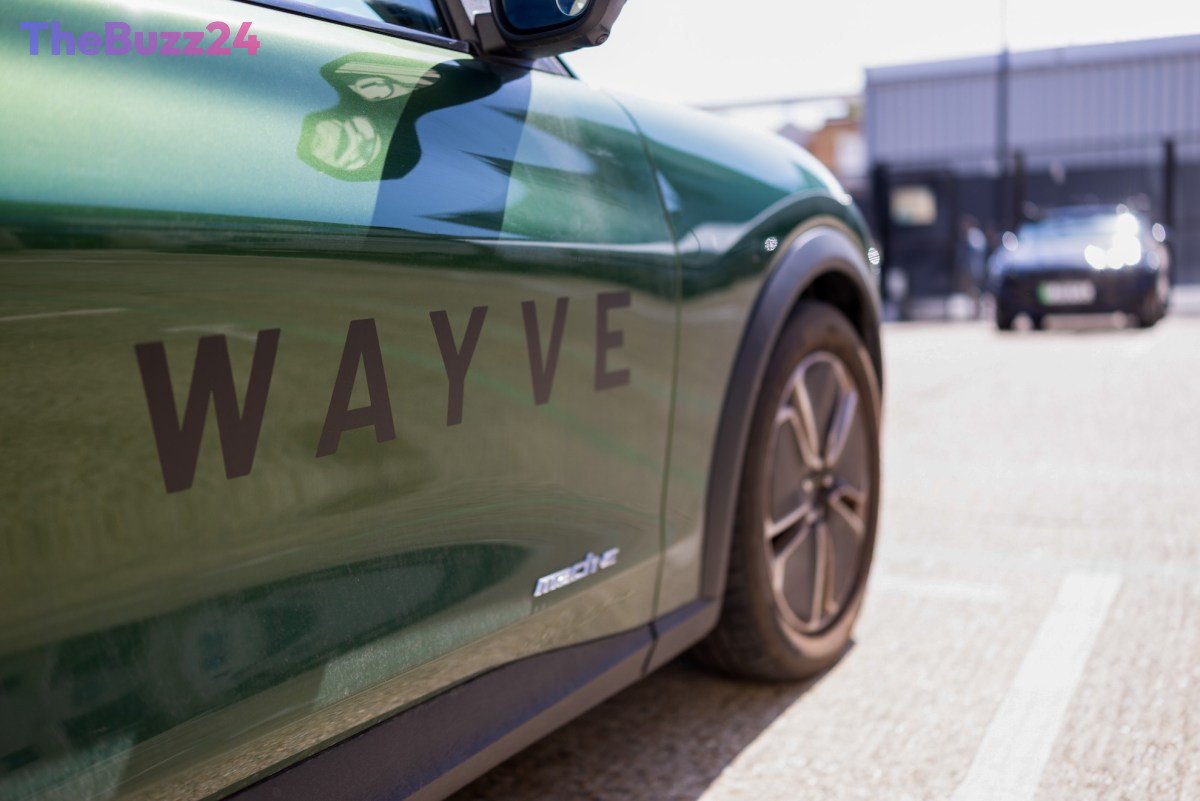
One prominent strategy involves forging commercial alliances. Startup Wayve recently announced a significant deal with Mercedes-Benz to integrate its automated driving technology into future models, expected within two years. This Level 2 system requires driver supervision but provides Wayve with crucial market access, building on previous agreements with Nissan and Stellantis. These partnerships have also paved the way for Wayve’s fully driverless ambitions, including a robotaxi service pilot in Tokyo with Nissan and Uber.
In parallel, Waymo is pursuing a strategy of broad geographic and ridership expansion. However, data reveals a concentrated deployment, with approximately 80% of its nearly 4,000 robotaxis operating in California and Texas. Texas, in particular, has seen substantial fleet growth in recent weeks. Waymo is also exploring new user demographics, including teenagers, as part of its scaling efforts.
Aurora, focused on self-driving trucks, appears to bridge these approaches. While concentrating its efforts in Texas, the company has secured a diverse range of partners. CEO Chris Urmson expressed optimism about the company’s growth, projecting over 30,000 driverless trucks in operation by 2030, with more than 200 expected by the end of this year. Meanwhile, the industry has also faced setbacks, with Zoox temporarily grounding its Atlanta test fleet due to potential safety concerns related to vehicle emissions, prompting an investigation by safety regulators. Comma, another player in driver-assistance technology, is reportedly under federal investigation following several crashes, including fatalities, involving its systems.
Key Takeaways
- Autonomous vehicle companies are adopting varied strategies, including strategic partnerships and concentrated geographic expansion, to achieve market scale.
- Wayve is leveraging partnerships with major automakers like Mercedes-Benz for its Level 2 systems, while also pursuing fully driverless services.
- Waymo is rapidly expanding its robotaxi fleet, primarily in California and Texas, while other companies like Zoox and Comma face regulatory scrutiny and safety investigations.
Editor’s Analysis & Impact
The autonomous vehicle landscape is characterized by a dynamic interplay between technological advancement and market strategy. Partnerships are proving essential for AV developers to gain traction and access manufacturing capabilities, as seen with Wayve and Mercedes-Benz. Waymo’s concentrated expansion highlights the challenges of scaling AV services, balancing broad reach with operational realities. However, recent incidents involving Zoox and Comma underscore the critical importance of safety validation and regulatory compliance. As the industry matures, the ability to navigate these complex factors—from securing strategic alliances to ensuring public safety—will be paramount for long-term success and widespread adoption.
Frequently Asked Questions
Q: What are the different levels of autonomous driving?
A: Autonomous driving is typically categorized into six levels (0-5) by SAE International. Level 0 is no automation, Level 1 offers driver assistance (e.g., adaptive cruise control), Level 2 provides partial automation (e.g., steering and acceleration control under specific conditions, driver must remain engaged), Level 3 allows conditional automation (car drives itself but driver must be ready to intervene), Level 4 offers high automation (car drives itself in most conditions within a defined area), and Level 5 is full automation (car drives itself in all conditions).
Q: What are the main challenges facing the widespread adoption of autonomous vehicles?
A: Key challenges include ensuring robust safety and reliability in all driving conditions, navigating complex regulatory frameworks that vary by region, developing public trust and acceptance, managing the high cost of AV technology, and establishing the necessary infrastructure, such as reliable mapping and communication networks.
Q: How are companies like Wayve and Waymo approaching the market differently?
A: Wayve is focusing on partnerships with established automakers to integrate its technology into existing vehicle platforms, starting with driver-assist features and progressing towards fully autonomous systems. Waymo, on the other hand, is directly deploying its own robotaxi service, concentrating its fleet in specific geographic areas to build ridership and operational experience.
AI Disclosure: This article is based on verified data and official reports. Our Team and AI have cross-referenced every financial detail with primary sources to ensure total accuracy.
More from this Category