Balancing Innovation and Oversight: Representative Chip Roy Rejects Federal AI Regulation in Favor of Free-Market Competition
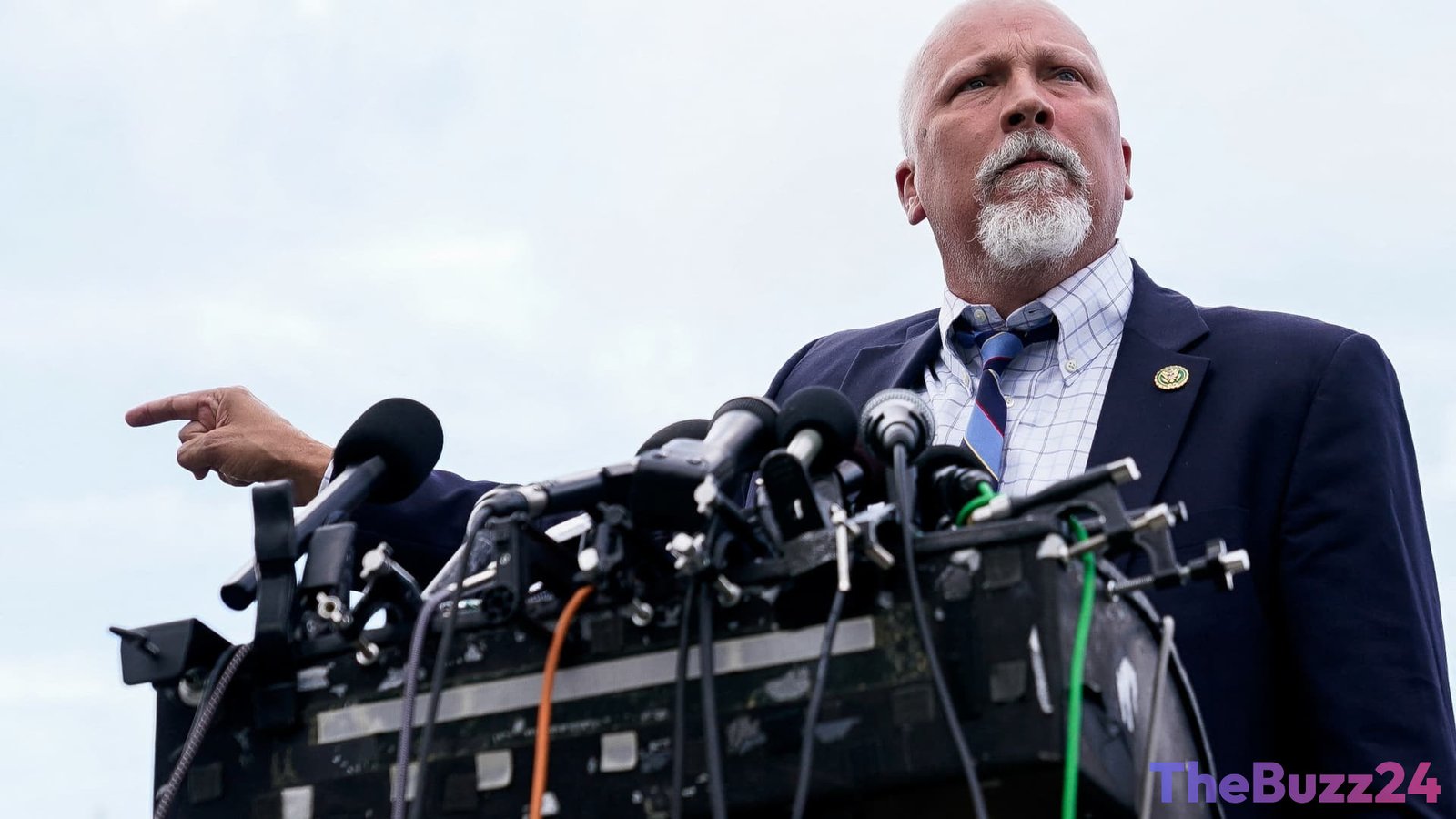
While concerns over the rapid advancement of artificial intelligence continue to mount on Capitol Hill, Texas Representative Chip Roy is advocating for a hands-off regulatory approach. Roy, a staunch proponent of limited government, argues that while Congress has a vital oversight role to play, implementing strict federal regulations would stifle innovation and disrupt free-market dynamics. Instead of legislative mandates, he envisions a system where tech executives are held accountable through public transparency and congressional hearings.
This perspective comes amid heightened anxiety surrounding the existential risks of AI. Recent warnings from industry insiders, including a former Anthropic researcher who raised alarms about the technology’s potential dangers, have intensified the debate. While some tech leaders, such as Anthropic CEO Dario Amodei, OpenAI’s Sam Altman, and xAI’s Elon Musk, have signaled support for regulatory guardrails, Roy maintains that competition and free enterprise must remain the primary drivers of the industry. He rejects the “doomer” label, emphasizing that the focus should be on protecting communities without falling into the trap of government overreach or crony capitalism.
The debate has created unusual alliances and deep divisions across the political spectrum. Roy recently shared a stage at a Future of Life Institute event with progressives like Senator Bernie Sanders and Representative Greg Casar, highlighting a shared concern over AI’s trajectory despite vastly different proposed solutions. While progressives push for strict bans on “superintelligence” and robust guardrails, conservative leaders like Donald Trump and House Speaker Mike Johnson warn that over-regulating could cause the United States to lose its technological edge to global competitors like China.
As Congress heads into recess without passing major AI safety legislation, the path forward remains highly contested. Roy has publicly disagreed with Trump’s assertion that the executive branch should hold unilateral decision-making power over AI, asserting that the legislature must maintain its constitutional oversight. However, with no clear consensus on Capitol Hill, the balance between fostering technological dominance and mitigating catastrophic risks remains one of the most pressing unresolved issues in Washington.
Key Takeaways
- Representative Chip Roy advocates for congressional oversight of AI through executive transparency and hearings rather than passing federal regulations.
- The debate over AI safety has created a fractured political landscape, with progressives demanding strict guardrails and some conservatives warning that regulation could cede leadership to China.
- Despite participating in bipartisan discussions on AI risks, Roy strongly rejects 'doomer' narratives, pushing instead for free-market competition and limited government intervention.
Editor’s Analysis & Impact
The political gridlock surrounding AI regulation highlights a fundamental tension between national security, economic competitiveness, and safety. Representative Roy’s stance reflects a broader conservative dilemma: how to address legitimate public fears about a transformative technology without stifling the innovation necessary to outpace global rivals like China. By advocating for oversight over regulation, Roy attempts to carve out a middle ground that keeps pressure on tech CEOs while preserving free-market dynamics. However, as AI capabilities advance exponentially, the window for proactive governance is closing. The lack of legislative consensus in Washington means that, for the foreseeable future, the safety and ethical boundaries of AI will largely be self-regulated by the very corporations developing them—a scenario that satisfies neither progressives demanding strict guardrails nor national security hawks seeking coordinated state-level strategies.
Frequently Asked Questions
Q: Why does Representative Chip Roy oppose federal regulation of AI?
A: Roy is a free-market conservative who believes that government regulation stifles innovation and leads to crony capitalism. He argues that the market should drive AI development, though he supports congressional oversight to ensure transparency from tech companies.
Q: How do other political leaders view the threat of AI?
A: Views are highly divided. Progressives like Senator Bernie Sanders advocate for strict guardrails and bans on certain advanced AI systems. Conversely, figures like Donald Trump and Speaker Mike Johnson warn that heavy regulation could cause the U.S. to lose the technological race to China.
Q: What role does Congress currently play in AI safety?
A: While Congress has held numerous hearings and bipartisan forums to understand AI risks, it has yet to pass comprehensive safety legislation. Lawmakers currently rely on oversight, public hearings, and voluntary commitments from major AI developers.
AI Disclosure: This article is based on verified data and official reports. Our Team and AI have cross-referenced every financial detail with primary sources to ensure total accuracy.
More from this Category