Bank of Korea Implements Interest Rate Hike to Combat Persistent Inflation
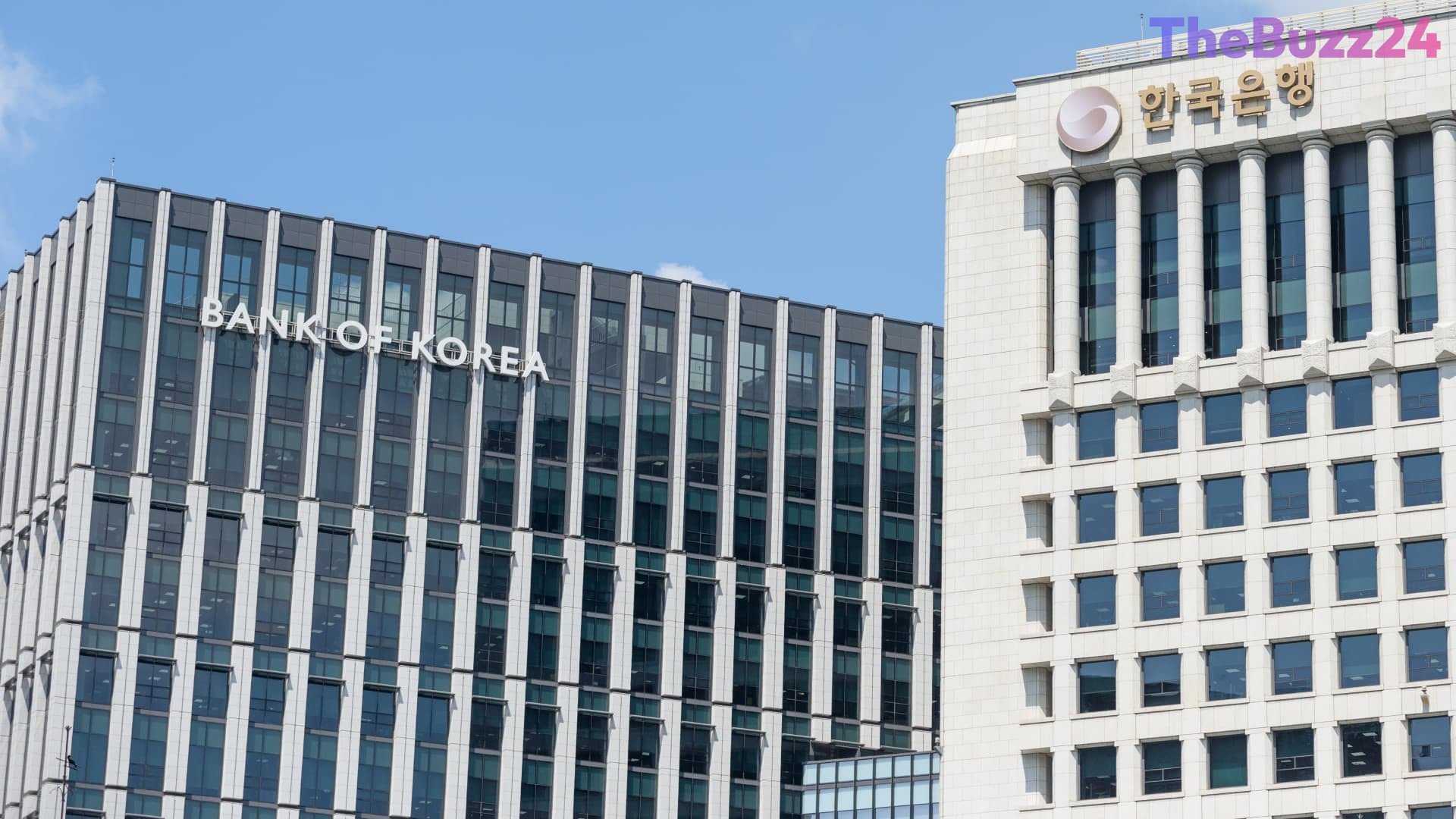
The Bank of Korea has officially raised its benchmark interest rate by 25 basis points, bringing the policy rate to 2.75%. This decision marks the first rate increase since early 2023 and aligns with broader economic expectations as the nation grapples with rising consumer prices. The central bank indicated that inflation is likely to remain above its 2% target for the foreseeable future, driven largely by the delayed impact of surging global energy costs.
Recent data highlights the urgency of the move, with headline inflation reaching 3.2% in June, the highest level recorded in years. Beyond energy costs, the central bank is monitoring potential inflationary pressures stemming from wage growth in the IT sector and the ongoing volatility of the South Korean won. While the currency recently hit multi-year lows against the U.S. dollar, officials remain optimistic that a significant current account surplus will provide a foundation for the won to strengthen.
Despite the tightening monetary policy, the South Korean economy has demonstrated resilience, posting 3.8% growth in the first quarter. This robust performance, coupled with record-breaking export growth of 71% in June, suggests that the domestic economy is well-positioned to absorb higher borrowing costs. However, the financial landscape remains complex, as the benchmark Kospi index faces volatility linked to sharp fluctuations in major semiconductor stocks like Samsung Electronics and SK Hynix.
Key Takeaways
- The Bank of Korea raised interest rates to 2.75% to address inflation that has exceeded the 2% target.
- Headline inflation reached 3.2% in June, driven by energy prices and potential wage growth in the technology sector.
- Strong first-quarter growth and record export figures suggest the economy can withstand the current cycle of monetary tightening.
Editor’s Analysis & Impact
The Bank of Korea’s decision to hike rates reflects a global trend of central banks prioritizing price stability over the accommodative policies of the pandemic era. By raising rates, the BOK is attempting to anchor inflation expectations while simultaneously supporting the won, which has been pressured by a strong U.S. dollar. The outlook remains hawkish; given that export growth remains at historic highs, the central bank has significant room to continue tightening if inflation does not cool as projected. However, the primary risk to this outlook is the volatility in the semiconductor sector, which remains a critical pillar of the South Korean economy. If global demand for chips softens, the BOK may face a difficult balancing act between curbing inflation and preventing a growth slowdown in the latter half of the year.
Frequently Asked Questions
Q: Why did the Bank of Korea decide to raise interest rates now?
A: The hike was prompted by headline inflation reaching 3.2%, which is significantly above the bank's 2% target, and the expectation that energy-driven price increases will persist.
Q: How does the interest rate hike affect the South Korean won?
A: Higher interest rates generally make a currency more attractive to foreign investors, which can help strengthen the won after it experienced significant depreciation against the U.S. dollar earlier this year.
AI Disclosure: This article is based on verified data and official reports. Our Team and AI have cross-referenced every financial detail with primary sources to ensure total accuracy.
More from this Category