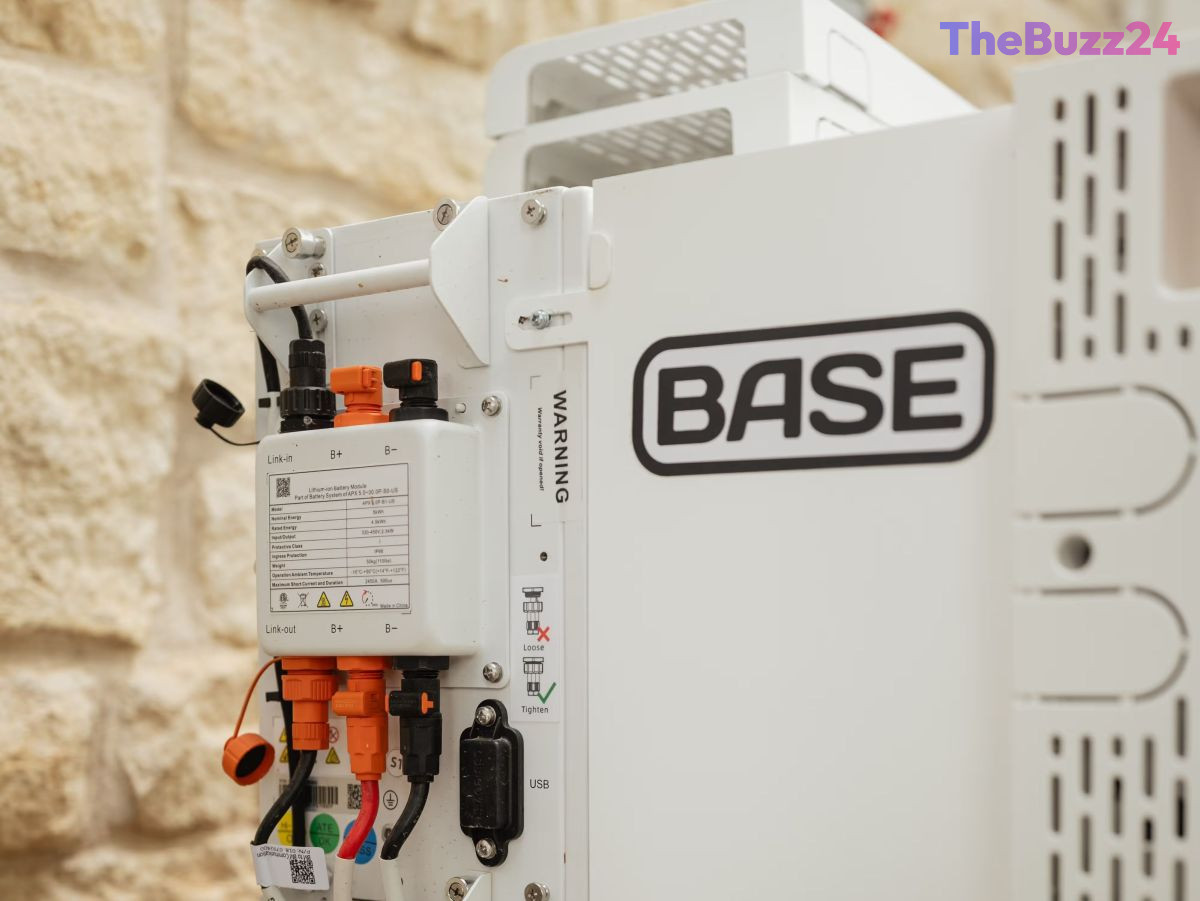
Base Power Expands Residential Battery Network to Tackle PJM Grid Constraints
Energy storage startup Base Power has officially launched its residential battery system operations in Illinois, marking a significant expansion into the territory managed by PJM Interconnection. As the largest grid operator in the United States, PJM has faced mounting pressure due to a surge in electricity demand, largely driven by the rapid proliferation of data centers in regions like Northern Virginia. This supply-demand imbalance has led to a sharp increase in wholesale electricity prices, prompting concerns from major utility providers regarding the long-term stability of the market.
Base Power distinguishes itself by deploying large-scale home battery systems, starting at 25 kilowatt-hours, which function as a virtual power plant. Unlike traditional models where customers purchase the hardware, Base Power operates on a service-based model where residents buy electricity directly from the company at rates significantly lower than local utilities, such as ComEd. By charging batteries when electricity prices are low and dispatching power back to the grid during peak demand, the company provides a flexible solution to grid congestion.
This strategic entry into the PJM market follows a period of intense growth for the startup, bolstered by substantial venture capital backing, including a recent $1 billion funding round. By focusing on behind-the-meter installations at residential properties, Base Power effectively bypasses the lengthy interconnection queues that have historically hindered new energy projects within the PJM territory. This approach allows the company to deploy capacity rapidly, providing a much-needed buffer for a grid currently struggling to keep pace with modern energy requirements.
Key Takeaways
- Base Power is deploying large-scale residential battery systems in Illinois to help stabilize the PJM Interconnection grid.
- The company's business model offers electricity rates 25% lower than local utilities by utilizing a virtual power plant strategy.
- By installing batteries behind the meter, Base Power avoids the bureaucratic delays of traditional grid interconnection queues.
Editor’s Analysis & Impact
The expansion of Base Power into the PJM territory highlights a critical shift in how grid stability is being managed in the United States. As data center demand continues to outpace traditional generation capacity, the reliance on centralized, slow-moving infrastructure projects is becoming increasingly untenable. Base Power’s model of decentralized, behind-the-meter storage represents a pragmatic ‘end-run’ around regulatory bottlenecks. If successful, this approach could set a precedent for how residential energy assets are aggregated to provide utility-scale grid services. However, the company will face challenges in scaling its operations across diverse regulatory environments and maintaining the economic viability of its virtual power plant as market conditions fluctuate. The broader implication is a move toward a more modular, consumer-integrated energy grid that prioritizes agility over traditional, capital-intensive infrastructure.
Frequently Asked Questions
Q: How does Base Power's business model differ from traditional battery providers?
A: Instead of selling the battery hardware to the homeowner, Base Power retains ownership and requires customers to purchase electricity from them at a discounted rate, while using the batteries to support the grid.
Q: Why is Base Power's entry into the PJM grid significant?
A: PJM is the largest grid operator in the U.S. and is currently struggling with high electricity demand from data centers and a backlog of new energy projects, making it a critical area for innovative storage solutions.
AI Disclosure: This article is based on verified data and official reports. Our Team and AI have cross-referenced every financial detail with primary sources to ensure total accuracy.
More from this Category