The Cruel Business of Staged Animal Rescues: How Viral Content Fuels Global Scams
A disturbing trend has surfaced across social media platforms, where scammers are weaponizing the empathy of animal lovers to generate illicit profits. By producing heart-wrenching footage of dogs in states of distress or injury, these bad actors target viewers in Western nations, prompting immediate financial donations. Investigations have uncovered that a significant portion of this content is entirely fabricated, with animals frequently subjected to intentional harm to ensure the footage remains emotionally compelling enough to drive continuous funding.
At the heart of this illicit industry is a network of fraudulent shelters, with a high concentration of operations identified in Mityana, Uganda. These locations function as makeshift production sets where content creators pay fees to film neglected and malnourished animals. Often, the same animals are recycled across multiple accounts to solicit funds through platforms like GoFundMe and PayPal. Undercover documentation reveals that these animals are kept in squalid conditions, while operators openly coordinate strategies to manipulate donors, such as inflating veterinary bills and fabricating emergencies to create a sense of urgency.
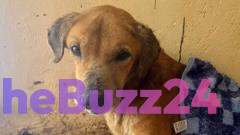
One particularly tragic instance involved a dog named Russet, whose image was exploited in hundreds of separate fundraising campaigns. While donors believed they were financing his recovery from a traffic accident, veterinary experts later concluded that his injuries were likely inflicted intentionally. Despite intervention efforts, the trauma proved fatal. Animal welfare advocates warn that the impulsive nature of online giving is inadvertently sustaining this cycle of abuse, as the potential for easy profit incentivizes scammers to continue capturing and harming animals for social media engagement.
While some local authorities have initiated raids and arrests, legal repercussions remain largely ineffective, often resulting in nothing more than minor warnings. In response, international activist coalitions are now pursuing private prosecutions to hold these operators accountable. Experts emphasize that the most effective way to dismantle this exploitative industry is to cut off the financial pipeline, urging potential donors to conduct rigorous due diligence before contributing to any online animal rescue cause.
Key Takeaways
- Viral animal rescue videos are frequently staged, with some animals suffering intentional abuse to create content that triggers emotional donations.
- A network of sham shelters in regions like Mityana, Uganda, uses the same animals across multiple accounts to solicit funds through popular payment platforms.
- Experts advise that the most effective way to stop this cycle of cruelty is to cease donations to unverified online rescue campaigns and perform thorough due diligence.
Editor’s Analysis & Impact
The rise of ‘rescue-baiting’ represents a dark intersection of digital content creation and organized crime. By exploiting the psychological triggers of empathy and altruism, these scammers have turned animal suffering into a scalable, low-risk business model. The industry impact is profound, as it not only causes direct harm to animals but also erodes public trust in legitimate charitable organizations. Future outlooks suggest that unless major payment processors and social media platforms implement stricter verification protocols for fundraising accounts, this trend will likely persist. The broader implication is a shift in how digital philanthropy must operate; the era of impulsive, ‘one-click’ giving is increasingly dangerous, necessitating a move toward verified, transparent, and audited charitable giving to prevent the accidental funding of criminal enterprises.
Frequently Asked Questions
Q: How can I tell if an animal rescue video is a scam?
A: Be wary of videos that feature extreme, repetitive, or highly staged-looking injuries, lack transparency regarding the specific shelter's location or registration, and use high-pressure language to demand immediate donations.
Q: What should I do if I want to help animals safely?
A: Instead of donating to individual social media posts, support established, reputable animal welfare organizations that have a long-standing history, verifiable tax-exempt status, and transparent financial reporting.
AI Disclosure: This article is based on verified data and official reports. Our Team and AI have cross-referenced every financial detail with primary sources to ensure total accuracy.
More from this Category