Neurable Shifts Strategy to Bring Brain-Computer Interface Tech to Everyday Wearables
Neurable, a leader in non-invasive brain-computer interface (BCI) technology, has announced a major strategic pivot toward a broad licensing model. The company plans to integrate its proprietary AI-driven neural sensing systems into a diverse range of consumer hardware, including glasses, headbands, and headphones. By moving away from exclusive, singular partnerships, the firm aims to make brain-sensing capabilities as common in the consumer market as heart rate monitoring is in today’s smartwatches.
Unlike invasive BCI methods that require surgical procedures, Neurable’s technology relies on EEG sensors and sophisticated signal processing to track cognitive focus and mental performance. To support this expansion, the company recently closed a $35 million Series A funding round. This new licensing platform allows original equipment manufacturers (OEMs) to embed Neurable’s software directly into their own devices, granting them control over product design and distribution while providing users with actionable data regarding their mental states.
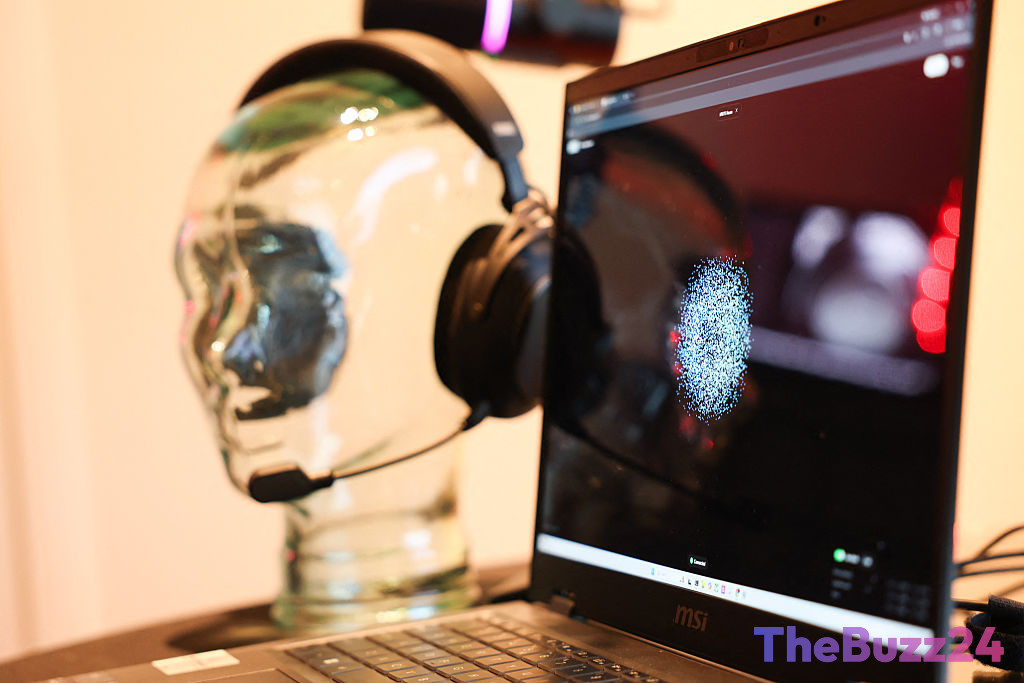
The company has already demonstrated the viability of its technology through a successful collaboration with HP Inc.’s HyperX brand, which resulted in a headset designed to enhance gaming performance. CEO Ramses Alcaide noted that the company is now focused on achieving widespread market adoption across various sectors, including professional productivity tools and health and wellness applications.
Regarding data security, Neurable has emphasized its commitment to privacy by adhering to HIPAA standards, utilizing data encryption, and ensuring user information is anonymized. The company maintains that it does not train its AI models on user data without explicit, targeted consent. As the neuro-technology industry matures, Neurable is positioning itself to lead the next evolution of human-computer interaction through its scalable and non-invasive approach.
Key Takeaways
- Neurable is transitioning to a licensing model to integrate its BCI technology into mainstream consumer wearables like headphones and glasses.
- The company secured $35 million in Series A funding to scale its platform and enable OEMs to embed neural sensing software into their products.
- Neurable emphasizes strict privacy protocols, including HIPAA compliance and anonymization, to address concerns regarding the handling of sensitive neural data.
Editor’s Analysis & Impact
Neurable’s pivot to a licensing model represents a significant maturation of the BCI market. By moving from bespoke, high-cost hardware projects to a scalable software-as-a-service (SaaS) or licensing approach, the company is effectively lowering the barrier to entry for major consumer electronics manufacturers. This strategy mirrors the path taken by other foundational technologies that eventually became standard features in mobile devices. If successful, this could trigger a wave of ‘neuro-enabled’ consumer products, fundamentally changing how we interact with our devices. However, the company faces a dual challenge: proving the long-term utility of cognitive data to the average consumer and navigating the complex regulatory and ethical landscape surrounding neural privacy. The success of this model will likely depend on how effectively they can convince OEMs that the value-add of neural sensing outweighs the integration costs and privacy risks.
Frequently Asked Questions
Q: How does Neurable’s technology differ from other BCI systems?
A: Neurable’s technology is non-invasive, meaning it uses EEG sensors to monitor brain activity from outside the skull, whereas other BCI approaches often require surgical intervention.
Q: Is user data protected when using Neurable’s technology?
A: Yes, the company states that it adheres to strict privacy standards, including HIPAA compliance, data encryption, and anonymization, and does not train AI models on user data without explicit consent.
AI Disclosure: This article is based on verified data and official reports. Our Team and AI have cross-referenced every financial detail with primary sources to ensure total accuracy.
More from this Category