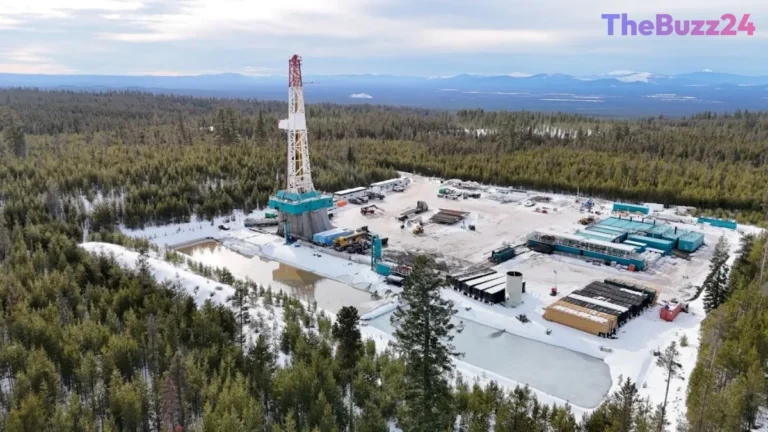
Bedrock Energy Secures $24 Million to Expand AI-Guided Geothermal Drilling Rigs
Clean technology startup Bedrock Energy has secured $24 million in fresh capital to scale its fleet of specialized geothermal drilling rigs. By leveraging artificial intelligence and advanced directional drilling techniques, the company aims to modernize the installation of shallow geothermal heat pumps, significantly reducing both setup costs and project timelines for enterprise buildings and commercial infrastructure.
Conventional geothermal heat pump installations rely heavily on adapted water-well drilling equipment, which can render projects prohibitively expensive and time-consuming. Bedrock addresses this bottleneck by adapting precision guidance systems from the oil and gas sector, pairing them with proprietary subsurface modeling and real-time sensor data. This optimized approach allows the company to slash drilling times by up to 80%, creating deep boreholes up to 1,000 feet that maximize thermal efficiency on small physical footprints.
Beyond traditional commercial real estate, Bedrock is increasingly targeting data center operators looking to optimize their power consumption. Utilizing ground-source cooling reduces the heavy electrical load placed on municipal power grids. By relieving local grid constraints, data center developers can free up valuable megawatts of capacity, potentially allowing facilities to become operational months earlier than standard power interconnect schedules permit.
Currently operating across Texas, Colorado, Utah, New York, and Alberta, Bedrock plans to use the newly raised capital to deploy additional rigs into New Jersey, New England, the upper Midwest, and new western markets. The investment round was co-led by Clean Energy Ventures and Clearvision Ventures, alongside participation from GVP Climate, Susquehanna Sustainable Investments, Autodesk Foundation, Energy Impact Partners, and several other climate-tech funds.
Key Takeaways
- Bedrock Energy raised $24 million to expand its fleet of AI-enabled geothermal drill rigs across North America.
- The company's directional drilling and subsurface modeling reduce shallow geothermal drilling times by up to 80%.
- Bedrock is targeting commercial real estate and data centers, offering ground-source thermal solutions that free up electrical grid capacity.
Editor’s Analysis & Impact
As global data center expansion accelerates alongside industrial electrification, commercial power requirements are straining existing grid infrastructure. Geothermal heat pumps present an ideal, zero-carbon solution for building heating and cooling, but historically high drilling costs have limited widespread adoption. Bedrock Energy’s integration of AI-driven subsurface sensors and precision oil-and-gas drilling methods directly tackles this economic hurdle. By reducing drilling duration by up to 80%, the startup transforms shallow geothermal into a cost-competitive enterprise asset. Furthermore, by framing geothermal thermal management as a tool to relieve grid congestion for data centers, Bedrock aligns its growth with one of the fastest-growing market segments in modern tech infrastructure.
Frequently Asked Questions
Q: How does Bedrock Energy reduce geothermal drilling costs?
A: Bedrock Energy uses directional drilling techniques adapted from the oil and gas industry combined with AI subsurface modeling and borehole sensors, cutting drilling times by up to 80% compared to traditional well-drilling methods.
Q: Why are data center developers adopting geothermal cooling?
A: Geothermal heat pump systems move heating and cooling loads underground, dramatically lowering the facility's electricity draw from the power grid. This frees up megawatt capacity, allowing data centers to launch operations significantly faster.
Q: Which geographic regions is Bedrock Energy expanding into?
A: Bedrock is using its new funding to expand operations into New England, New Jersey, the upper Midwest, and additional Western state markets.
AI Disclosure: This article is based on verified data and official reports. Our Team and AI have cross-referenced every financial detail with primary sources to ensure total accuracy.
More from this Category