Beijing Faces Financial Ultimatum as U.S. Targets Iran-Linked Transactions
The United States has issued a stern warning to Chinese financial institutions, threatening to sever their access to the American banking system if they continue to facilitate transactions that assist Iran in evading international sanctions. U.S. Treasury Secretary Scott Bessent explicitly stated that any entity involved in the ecosystem that converts Iranian oil revenue into capital risks being cut off from the U.S. financial network. This move is part of a broader strategy by the current administration to intensify economic pressure on Tehran.
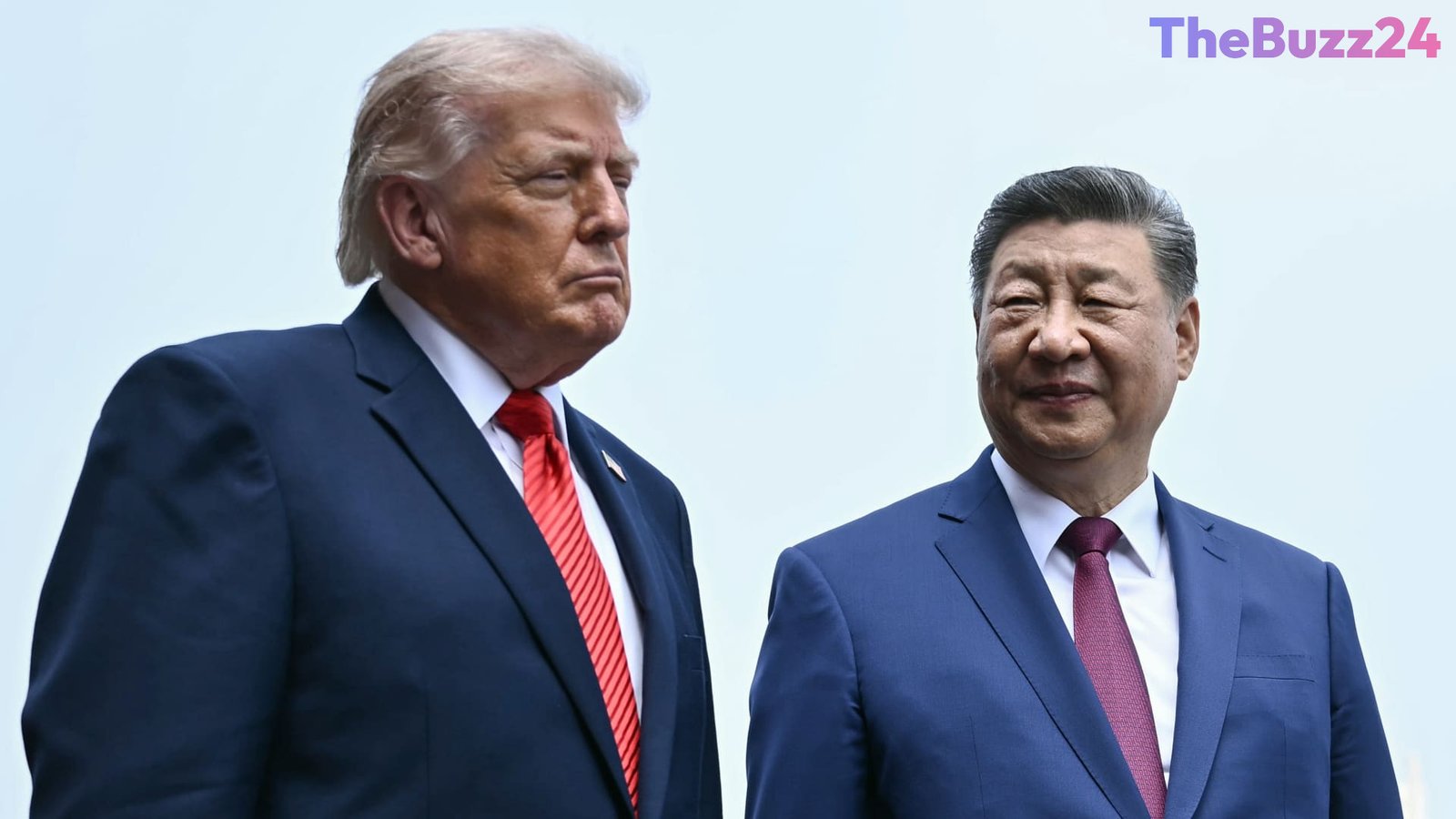
China, which has historically been a major importer of Iranian crude oil, has responded by vowing to protect its national interests. A spokesperson for the Chinese Foreign Ministry reiterated the country’s firm opposition to unilateral sanctions that lack authorization from the UN Security Council. While Beijing has not publicly outlined a specific timeline for compliance, the tension creates a precarious environment ahead of a high-stakes summit between President Donald Trump and President Xi Jinping scheduled for next month.
Despite the rhetoric, analysts suggest that China remains deeply incentivized to maintain its connection to the U.S. dollar, which remains the backbone of global trade. However, Beijing has been quietly building a hedge against such vulnerabilities through its Cross-Border Interbank Payment System (CIPS). While CIPS is not a replacement for the dollar-dominated SWIFT system, it serves as a strategic geopolitical tool for diversification. As the U.S. and China navigate this economic standoff, both nations must balance the threat of financial isolation against the mutual necessity of maintaining stable trade relations, particularly regarding critical minerals and global market stability.
Key Takeaways
- The U.S. Treasury has threatened to cut off Chinese banks from the American financial system if they facilitate Iranian oil-related transactions.
- China is expanding its Cross-Border Interbank Payment System (CIPS) as a strategic hedge against potential U.S. financial sanctions.
- Despite rising tensions, both nations are incentivized to maintain economic ties, with a high-level summit between Trump and Xi expected to address these frictions.
Editor’s Analysis & Impact
The current standoff represents a significant escalation in the ongoing economic rivalry between the U.S. and China. By weaponizing access to the U.S. dollar, Washington is testing the limits of Beijing’s reliance on the global financial architecture. While China is actively developing alternatives like CIPS to mitigate the risk of being ‘de-banked,’ the yuan’s current share of global payments remains marginal compared to the dollar. The broader implication is a slow, structural shift toward a bifurcated global financial system. However, the immediate outlook suggests a ‘wait-and-see’ approach; neither side can afford a total decoupling without triggering severe domestic economic consequences. The upcoming summit will be the primary indicator of whether this conflict will escalate into a full-scale financial war or remain a high-stakes diplomatic negotiation.
Frequently Asked Questions
Q: What is the primary threat the U.S. has made against Chinese banks?
A: The U.S. has threatened to cut off Chinese banks from the American financial system if they are found to be facilitating transactions that help Iran evade sanctions, specifically those related to oil exports.
Q: What is China's CIPS and why is it significant?
A: CIPS (Cross-Border Interbank Payment System) is a Chinese-developed payment system that allows for the clearing and settlement of yuan-denominated transactions. It serves as a geopolitical hedge, allowing China to reduce its absolute dependence on the U.S.-dominated SWIFT system.
AI Disclosure: This article is based on verified data and official reports. Our Team and AI have cross-referenced every financial detail with primary sources to ensure total accuracy.
More from this Category